In the realm of industrial sewing, particularly within the specialized domain of pattern sewing machines, proximity switch sensors stand as pivotal components driving operational excellence. These sensors, often overlooked in broader discussions, are fundamental to achieving the high precision, reliability, and efficiency demanded by modern textile and apparel manufacturing. This article delves into the technical intricacies, applications, and benefits of proximity switch sensors in pattern sewing machinery, adhering to industry standards and engineering perspectives.
Proximity switch sensors are non-contact electronic devices designed to detect the presence or absence of a target object without physical interaction. In pattern sewing machines, commonly referred to as "pattern tackers" or "programmable sewing units," these sensors are typically inductive or capacitive types. Inductive sensors are predominantly used for detecting metallic objects, such as needle bars, presser feet, or specific machine parts, while capacitive sensors can sense both metallic and non-metallic materials, including fabrics or plastic components. The core principle involves generating an electromagnetic field; when a target enters this field, it causes a change in oscillation amplitude or frequency, triggering a switch signal. This signal is then processed by the machine's control system to initiate, halt, or modify sewing operations.
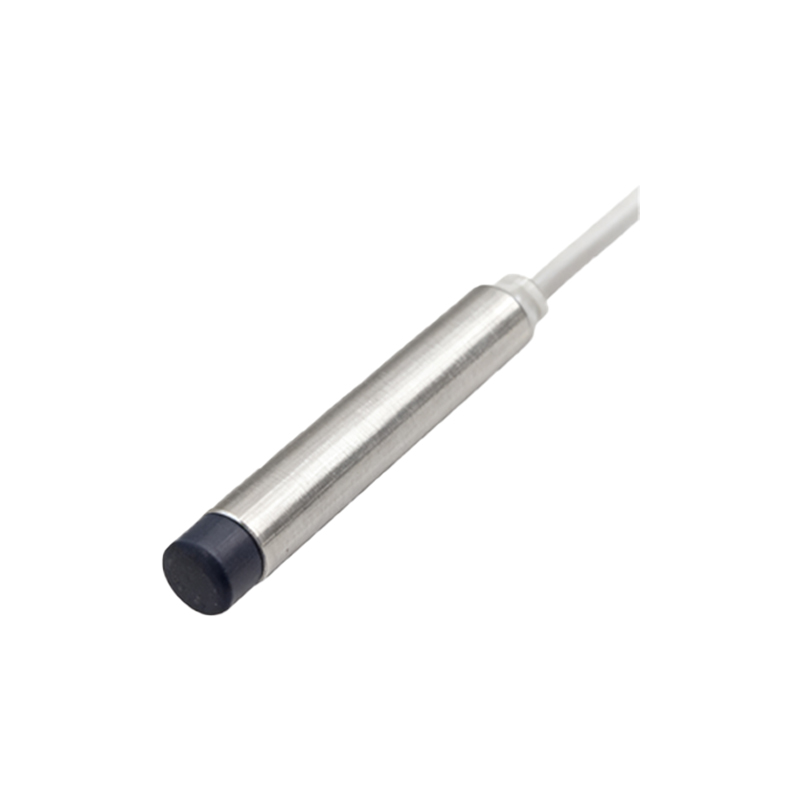
The integration of proximity sensors in pattern sewing machines addresses several critical challenges. First, precision positioning is paramount. These machines execute complex stitching patterns—from intricate embroidery to precise quilting—requiring exact alignment of fabric layers and tooling. Sensors ensure that the needle, feed dogs, and other moving elements are in correct positions before initiating a stitch cycle, minimizing errors like misalignment or skipped stitches. For instance, a sensor might detect the precise moment a needle reaches its top dead center, synchronizing it with fabric movement for flawless pattern execution. Second, operational safety and machine protection are enhanced. By monitoring components in real-time, sensors can prevent collisions, detect jams, or identify worn parts, reducing downtime and maintenance costs. A common application is detecting thread breakage or bobbin depletion; a sensor placed near the thread path can signal the control system to pause operations, alerting operators to intervene promptly.
From a performance standpoint, proximity switches contribute significantly to efficiency gains. Modern pattern sewing machines operate at high speeds, often exceeding 2,000 stitches per minute. Traditional mechanical switches, prone to wear and tear, would falter under such demands. In contrast, solid-state proximity sensors offer millions of operational cycles with minimal degradation, ensuring consistent performance over time. Their non-contact nature eliminates friction, reducing mechanical stress and energy consumption. Moreover, these sensors enable automation integration. In automated sewing lines, sensors provide feedback for robotic arms handling fabric panels, ensuring seamless transitions between sewing stations. This aligns with Industry 4.0 trends, where data from sensors can be aggregated for predictive maintenance, quality analytics, and process optimization.
When selecting proximity sensors for pattern sewing applications, engineers must consider key parameters. Sensing distance, typically ranging from 2mm to 15mm, should match the machine's mechanical layout to avoid false triggers. Environmental factors like dust, oil, or humidity—common in textile mills—necessitate sensors with high Ingress Protection (IP) ratings, such as IP67, to ensure durability. Response time is critical; fast-acting sensors (e.g.,<1ms) are essential for high-speed stitching to maintain cycle times. Additionally, output types (e.g., NPN/PNP transistor or analog signals) must be compatible with the machine's programmable logic controller (PLC) or embedded system. Leading manufacturers like Omron, Schneider Electric, and Sick offer specialized sensors tailored for textile machinery, featuring compact designs and robust housings.
In practice, troubleshooting sensor-related issues requires a methodical approach. Common problems include erratic signals due to electrical interference from motors or inverters, which can be mitigated by proper shielding and grounding. Calibration drift over time may necessitate adjustment of sensing thresholds via potentiometers or software settings. Regular maintenance, such as cleaning sensor faces to remove lint or debris, is vital to prevent malfunctions. Training technicians to interpret diagnostic indicators—like LED status lights on sensors—can expedite repairs, minimizing production halts.
Looking ahead, advancements in sensor technology promise further enhancements. Smart sensors with integrated IO-Link communication are emerging, enabling real-time parameter adjustments and health monitoring without physical access. Miniaturization trends allow for smaller sensors to be embedded in tighter spaces within sewing heads, facilitating more compact machine designs. Additionally, the integration of artificial intelligence with sensor data could enable adaptive stitching, where machines automatically adjust tension or speed based on fabric properties detected by capacitive sensors.
In conclusion, proximity switch sensors are indispensable in modern pattern sewing machines, underpinning their accuracy, safety, and productivity. By understanding their operational principles and application nuances, engineers and maintenance personnel can optimize machine performance, reduce waste, and support the evolving demands of the textile