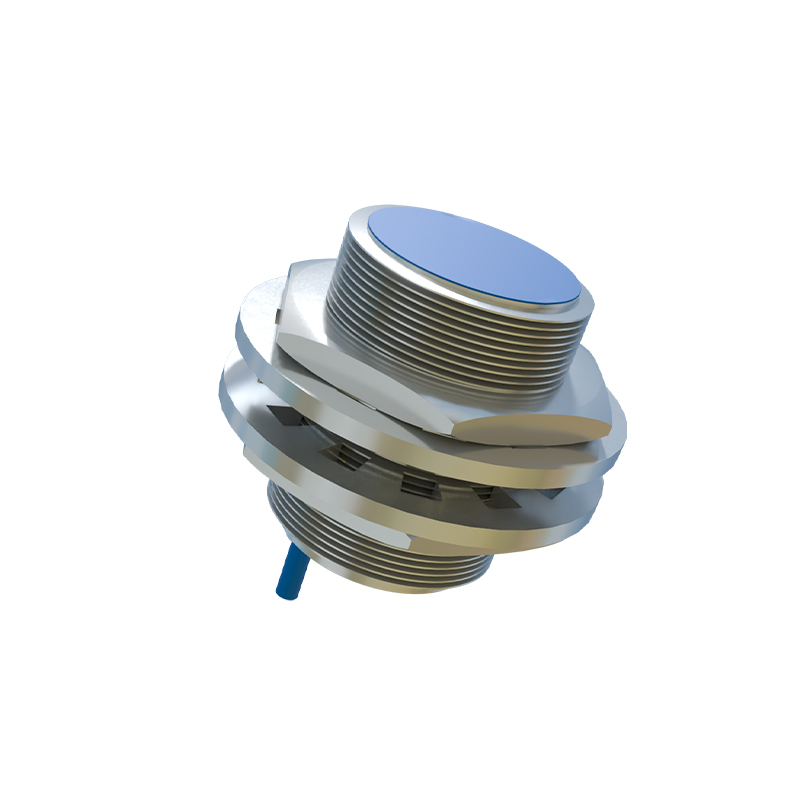
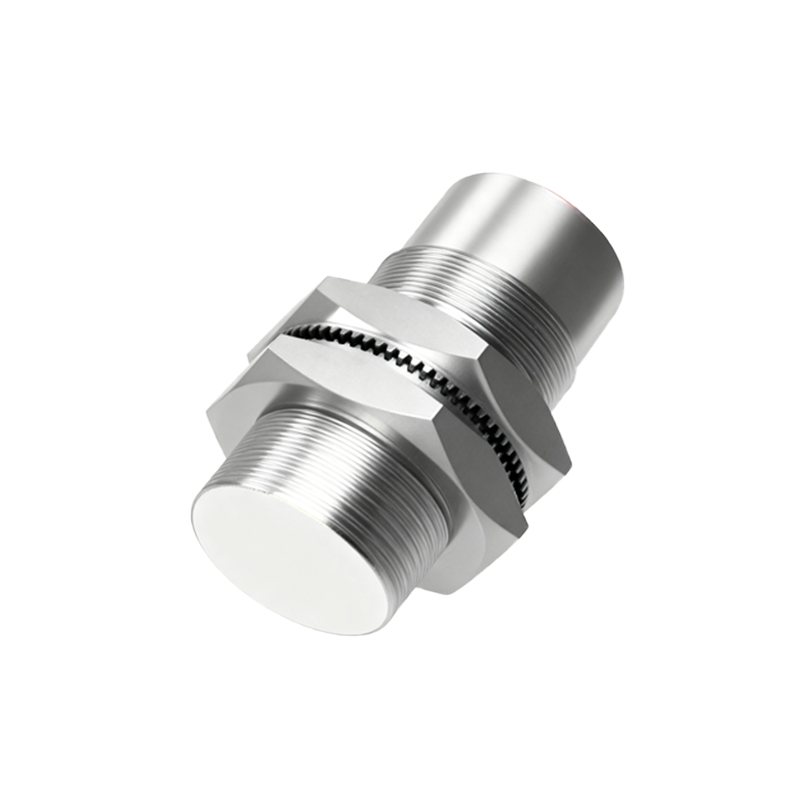
In the realm of industrial automation, inductive proximity sensors have emerged as pivotal components for non-contact detection, renowned for their robustness and reliability. High precision in these sensors is not merely a desirable attribute but a critical necessity, especially in applications demanding exact positioning, quality control, and safety assurance. This article delves into the technological advancements and design principles that enable inductive proximity sensors to achieve exceptional accuracy, alongside their practical implications in modern manufacturing environments.
The core mechanism of an inductive proximity sensor involves generating an electromagnetic field via a coil and oscillator circuit. When a metallic target enters this field, eddy currents are induced, causing a change in oscillation amplitude. This alteration is detected and converted into a switching signal. High precision is fundamentally tied to the sensor's ability to consistently and accurately identify this threshold, regardless of environmental variables such as temperature fluctuations, voltage variations, or electromagnetic interference. Modern sensors incorporate advanced microprocessors and signal processing algorithms that filter out noise and compensate for drift, ensuring stable performance over time.
Key factors contributing to high precision include the sensor's repeat accuracy, which refers to its capability to return the same switching point under identical conditions. Premium inductive sensors boast repeat accuracies within micrometers, achieved through meticulous calibration and the use of high-quality ferrite cores. Additionally, the sensing distance plays a crucial role; precision-grade sensors often feature reduced sensing ranges to minimize errors from target material composition, shape, or orientation. For instance, sensors designed for detecting small fasteners or thin foils utilize high-frequency oscillations to enhance sensitivity to minute changes.
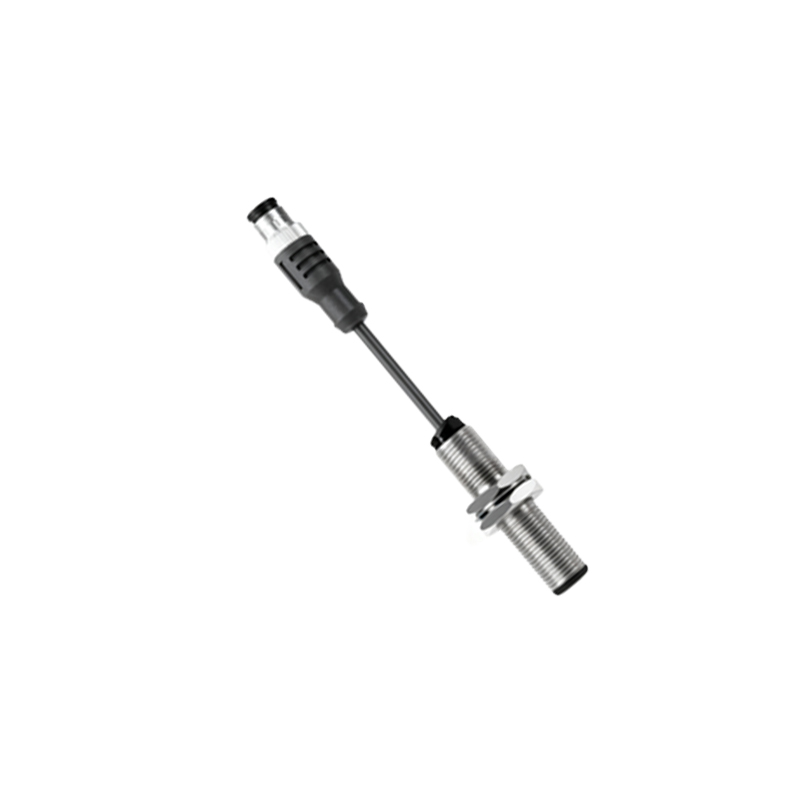
Material selection and housing design further augment precision. Stainless steel or nickel-plated brass housings provide shielding against external interference, while temperature-resistant materials ensure consistent operation in harsh conditions. The integration of IO-Link communication technology allows for real-time monitoring and adjustment of parameters like switching hysteresis and response time, enabling dynamic optimization for specific tasks. This digital interface facilitates predictive maintenance by logging operational data, thereby reducing downtime and enhancing overall system accuracy.
In practical applications, high-precision inductive sensors are indispensable in automotive assembly lines for verifying component presence, in packaging machinery for exact fill-level control, and in robotics for precise end-effector positioning. They contribute to lean manufacturing by minimizing waste through accurate detection, thus supporting just-in-time production models. As Industry 4.0 evolves, these sensors are increasingly embedded within smart networks, where their precision data feeds into AI-driven analytics for continuous process improvement.
Looking ahead, ongoing research focuses on enhancing resolution and reducing latency through innovations in coil geometry and integrated circuit design. The advent of multi-coil configurations and adaptive algorithms promises even finer detection capabilities, potentially revolutionizing micro-assembly and nanotechnology sectors. Ultimately, the pursuit of high precision in inductive proximity sensors underscores a broader industrial trend toward greater efficiency, safety, and quality, solidifying their role as enablers of advanced automation.