In the world of industrial automation, machinery safety, and smart devices, the reliable detection of metallic objects is a fundamental requirement. Proximity sensors designed specifically for metal detection are the unsung heroes enabling this functionality. Unlike standard sensors, these devices are engineered to respond to the presence of ferrous or non-ferrous metals, triggering actions without any physical contact. This non-contact operation eliminates mechanical wear and tear, ensuring long-term reliability and precision in demanding environments.
The core technology behind these sensors varies, with inductive proximity sensors being the most prevalent for metal detection. An inductive sensor generates an electromagnetic field from its active face. When a metallic object enters this field, eddy currents are induced within the metal. This process dampens the oscillation amplitude within the sensor's internal LC tank circuit. The sensor's electronics detect this change and subsequently switch its output state. This principle makes them exceptionally effective for detecting metals like steel, iron, aluminum, and copper, though detection ranges and sensitivities differ based on the metal's properties. For instance, ferrous metals like steel are typically detected at a greater distance than non-ferrous metals like aluminum for a given sensor model.
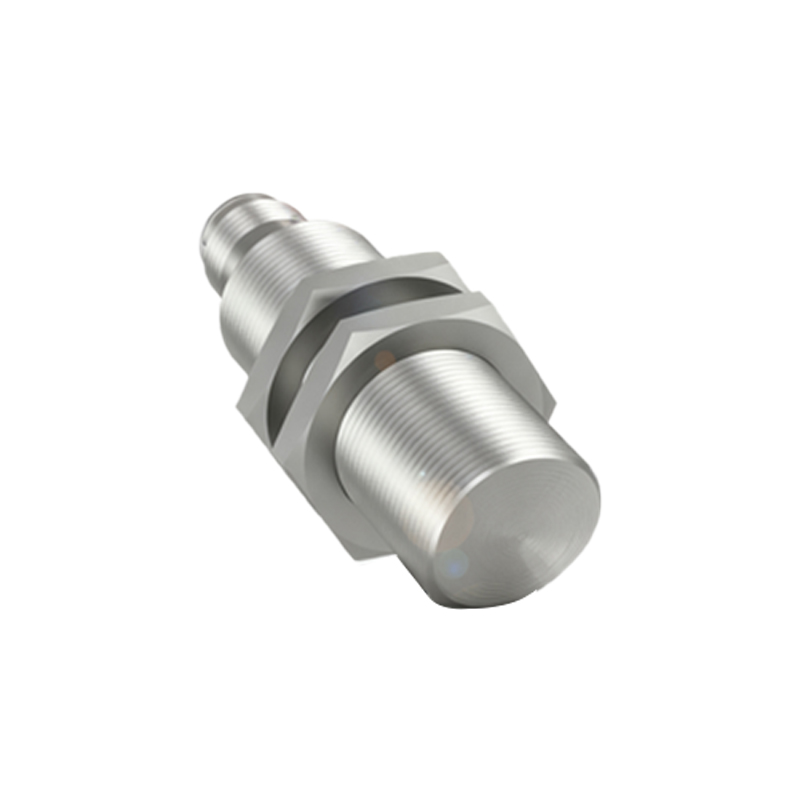
Key specifications define a sensor's capability. The nominal sensing distance (Sn) is a critical parameter, indicating the standard detection range under defined conditions. Real-world sensing distance (Sr) can vary based on the target metal's size, shape, and material. The reduction factor is a multiplier used to calculate the effective sensing distance for non-standard metals relative to mild steel. Environmental factors such as temperature extremes, the presence of cutting fluids, or strong electromagnetic interference can also influence performance, making housing material (often nickel-plated brass or stainless steel) and ingress protection (IP) ratings vital considerations.
The applications for metal-sensing proximity sensors are vast and cross-industrial. In automotive manufacturing, they verify the presence of engine blocks, pistons, or gears on assembly lines. In packaging machinery, they detect metallic foils or caps to control filling and capping operations. Within material handling, they count metal parts, control sorting gates, and provide end-of-travel positioning for robotic arms. A crucial safety application is in automated doors and elevators, where sensors ensure a clear path by detecting the metal frame of a door or the car position. Furthermore, in the realm of consumer electronics, miniaturized versions are used in smartphones and tablets to detect a flip cover with a magnet or the proximity of the user's face during a call, conserving battery life.
Selecting the right proximity sensor for a metal detection task requires careful analysis. First, identify the target metal type—is it ferrous, non-ferrous, or both? This determines whether a standard inductive sensor suffices or if a specialized all-metal sensor is needed. Second, consider the required sensing distance and the physical space available for sensor mounting. Cylindrical, rectangular, and ring-shaped housings cater to different installation constraints. Third, evaluate the electrical output needed—NPN or PNP transistor outputs, NO (normally open) or NC (normally closed) switching logic, and 2-wire, 3-wire, or 4-wire configurations must match the control system's input card. Finally, the operating environment dictates the necessary ruggedness. Harsh conditions with washdowns demand sensors with high IP69K ratings, while applications involving welding equipment require models with weld-field immunity to prevent false triggering from spurious electromagnetic noise.
Installation and maintenance are straightforward but require attention to detail. Sensors should be mounted securely to minimize vibration effects. It is essential to maintain a clearance zone around the sensor's sensing face, free from other metal objects (including the mounting bracket) to prevent shielding effects that reduce the effective range. Regular checks should verify the sensing distance has not degraded and that the sensor face remains clean from debris like metal chips or oil buildup, which could insulate the target and impair detection.
In conclusion, proximity sensors for metal detection form an indispensable link between the physical presence of metal objects and digital control systems. Their evolution continues with trends toward miniaturization, increased sensing ranges, enhanced noise immunity, and the integration of IO-Link communication for advanced diagnostics and parameter setting. By understanding their operating principles, key specifications, and application requirements, engineers and technicians can effectively harness these robust devices to enhance automation efficiency, improve safety protocols, and enable smarter machine interactions across countless industries.