Proximity sensors are essential components in industrial automation, robotics, and consumer electronics, detecting the presence or absence of objects without physical contact. Understanding their specifications is critical for selecting the right sensor for any application. This guide breaks down key proximity sensor specifications to help engineers and technicians make informed decisions.
Sensing Distance
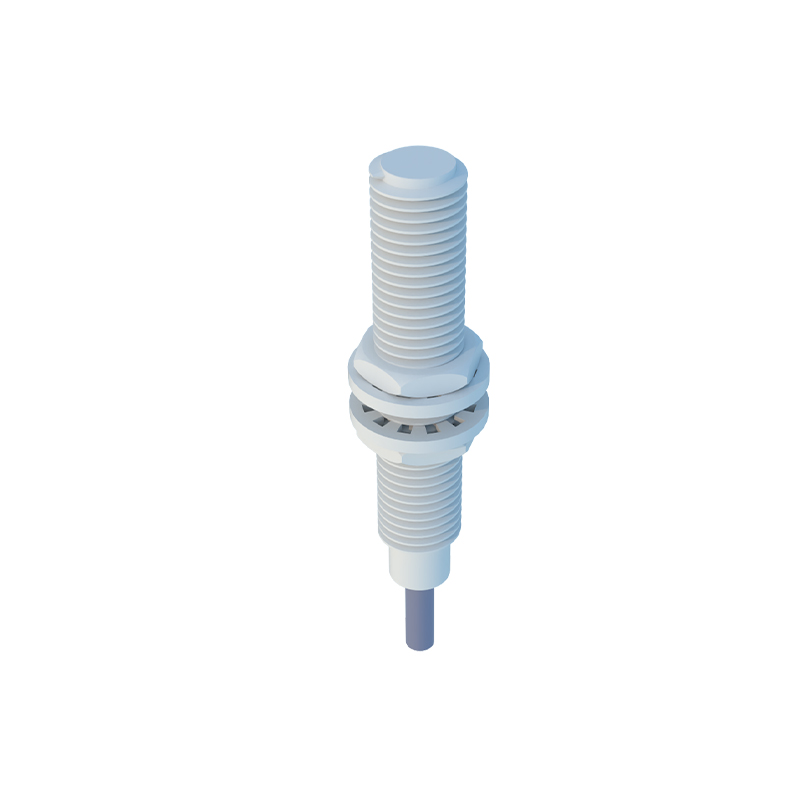
The sensing distance, or operating range, defines how far a sensor can detect an object. It varies by technology and model. Inductive sensors typically offer ranges from 1 to 60 mm, detecting metallic objects. Capacitive sensors can detect both metallic and non-metallic materials, with ranges up to 40 mm. Ultrasonic sensors provide longer ranges, from a few centimeters to several meters, suitable for level detection or obstacle avoidance. Always consider the nominal sensing distance under standard conditions, as environmental factors like temperature or target material can affect performance.
Output Type
Proximity sensors come with different output configurations. Digital outputs include NPN (sinking) and PNP (sourcing) transistors, common in DC sensors. Analog outputs (0-10V or 4-20mA) provide continuous data, useful for distance measurement. Some sensors feature IO-Link or other communication protocols for advanced diagnostics and parameterization. Choose based on your control system compatibility and required signal type.
Response Time
Response time indicates how quickly a sensor reacts to a detected object. It is measured in milliseconds (ms) or microseconds (µs). High-speed applications, like packaging or assembly lines, require fast response times (e.g., 0.1 ms). Slower processes may tolerate longer times. Ensure the sensor’s response time aligns with your system’s cycle time to avoid delays.
Environmental Ratings
Industrial environments demand robust sensors. Key ratings include IP (Ingress Protection) codes for dust and water resistance (e.g., IP67 for temporary immersion). Temperature ranges specify operating limits, often from -25°C to 70°C. Additional certifications like NEMA ratings or ATEX for hazardous areas may be necessary. Vibration and shock resistance are also vital for machinery applications.
Mounting and Size
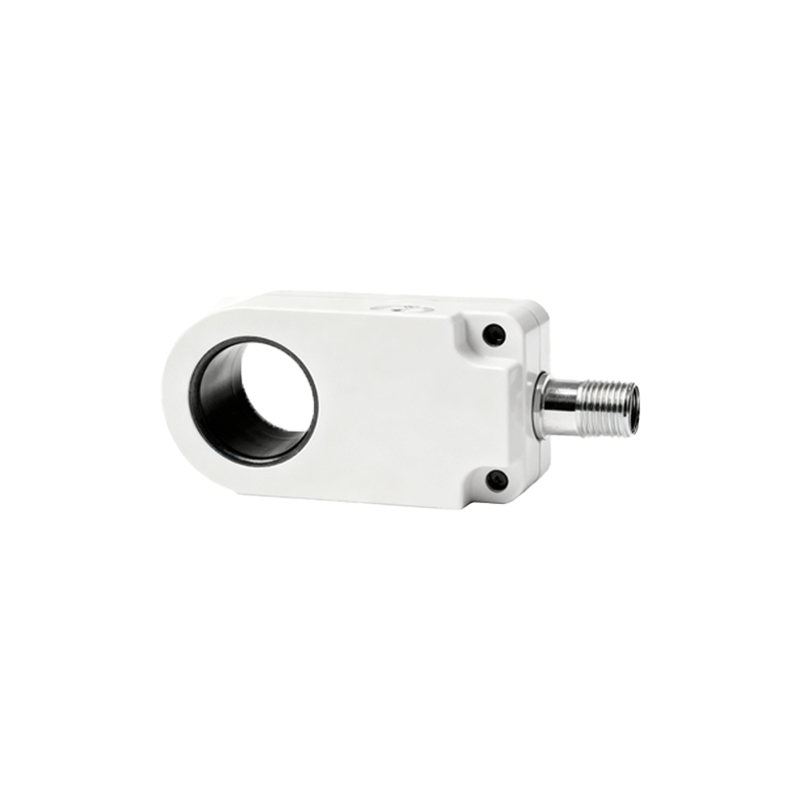
Sensors are available in various housings: cylindrical (e.g., M8, M12, M18 threads), rectangular, or slot styles. Consider space constraints and mounting options (flush or non-flush). Flush-mounted sensors can be installed without protruding, avoiding mechanical damage, but may have reduced sensing distances.
Material and Construction
Housing materials like stainless steel or PBT plastic impact durability. Sensing faces may be shielded or unshielded; shielded types allow side-by-side installation without interference. For corrosive environments, choose materials resistant to chemicals or washdowns.
Power Supply
Operating voltage ranges (e.g., 10-30V DC or 90-250V AC) must match your system. Check current consumption, especially in low-power designs. Overvoltage or reverse polarity protection can prevent damage from wiring errors.
Repeatability and Hysteresis
Repeatability refers to consistency in detection under identical conditions, critical for precision tasks. Hysteresis is the difference between switch-on and switch-off points, preventing chatter in unstable conditions. Both specs ensure reliable operation.
Target Material and Size
Inductive sensors are sensitive to metal type (steel, aluminum, etc.), with correction factors for non-ferrous metals. Capacitive sensors respond to material density and dielectric constants. Ensure the target is within the sensor’s detectable size; small objects may require reduced sensing distances.
Additional Features
Modern sensors offer LED indicators for status, teach-in functions for adjustable settings, and short-circuit protection. Diagnostic capabilities via IO-Link can simplify maintenance and troubleshooting.
In summary, selecting a proximity sensor involves balancing specifications like sensing distance, output type, environmental durability, and response time. Always refer to manufacturer datasheets and consider real-world conditions to ensure optimal performance and longevity in your application.