Proximity sensors have become an indispensable component in a vast array of modern devices and industrial systems. Their core function—detecting the presence or absence of an object within a specific range without physical contact—unlocks a multitude of benefits that enhance efficiency, safety, and user experience. The advantages of integrating these sensors are profound and multifaceted.
One of the most significant advantages is the enhancement of reliability and durability. Since proximity sensors operate on a non-contact principle, they eliminate mechanical wear and tear associated with physical switches or limit switches. There are no moving parts to break down, jam, or require lubrication. This leads to dramatically extended operational lifespans, reduced maintenance costs, and higher mean time between failures (MTBF), which is critical in industrial automation and harsh environments.
Speed and high-speed response form another cornerstone of their value. These sensors can detect objects at incredibly fast rates, often in the microsecond range. This capability is essential for high-speed counting, sorting, and positioning applications on production lines. For instance, in packaging machinery or automotive assembly, the rapid and precise detection of components ensures seamless operation and consistent throughput, far surpassing the capabilities of mechanical alternatives.
The versatility in sensing different materials is a key strength. Depending on the technology—inductive, capacitive, ultrasonic, or photoelectric—proximity sensors can detect a wide spectrum of targets. Inductive sensors excel at detecting metals, making them perfect for machine tooling and metal detection. Capacitive sensors can detect both metallic and non-metallic materials like liquids, plastics, and wood, useful in level sensing or material handling. This flexibility allows engineers to select the optimal sensor for the specific material and environmental conditions.
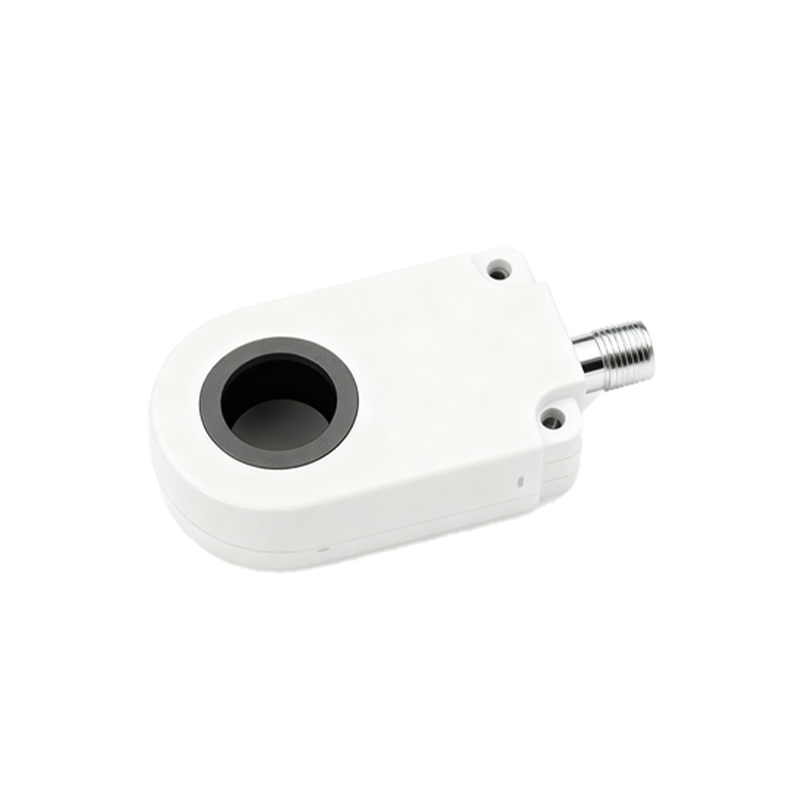
Improved safety is a paramount advantage, particularly in industrial settings. By enabling non-contact detection, these sensors can create safety zones around hazardous machinery. They can be integrated into safety light curtains or area scanners to immediately halt equipment if a worker enters a dangerous area, preventing accidents. This non-intrusive safety mechanism protects both personnel and machinery.
Furthermore, proximity sensors contribute significantly to energy efficiency and smarter operation. In consumer electronics, such as smartphones and laptops, they detect when a user is holding the device to their ear during a call, automatically turning off the display to save battery. In smart lighting systems, they can trigger lights only when a person is present, reducing energy waste. This intelligent, on-demand functionality is a cornerstone of IoT and smart device ecosystems.
Their ability to operate consistently in challenging environments is a major operational advantage. Many proximity sensors are designed with robust housings, offering high degrees of ingress protection (IP ratings) against dust and water. They are largely unaffected by surface conditions like color, texture, or reflectivity (depending on type), and some are immune to ambient light interference. This ensures stable performance in dirty, wet, or vibratory settings where other sensing methods might fail.
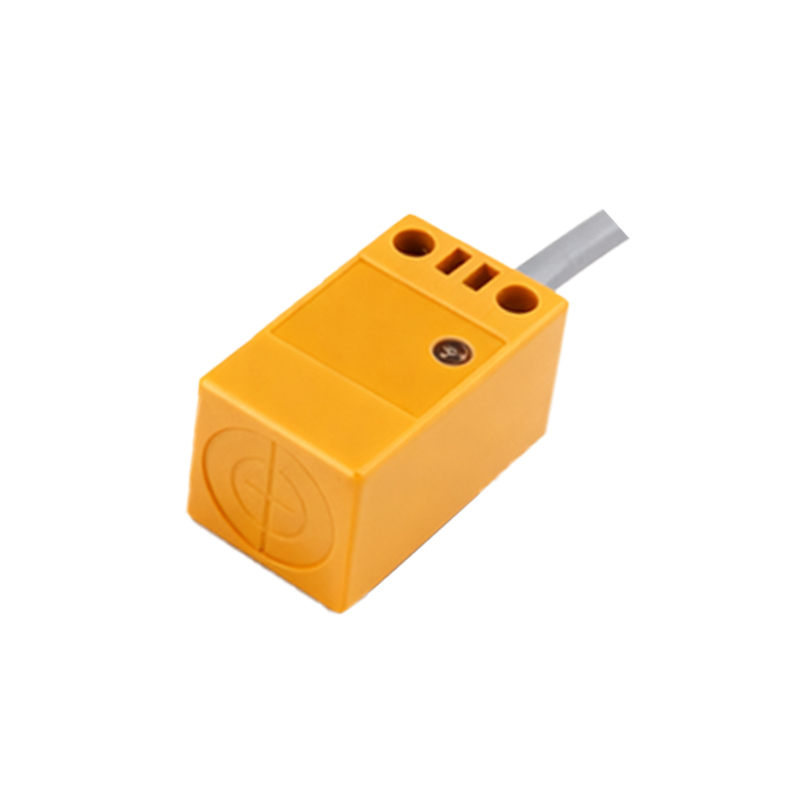
Finally, the advantage of seamless integration and digital communication cannot be overstated. Modern proximity sensors often come with standardized output signals (e.g., PNP/NPN, IO-Link) that easily interface with Programmable Logic Controllers (PLCs) and other control systems. This plug-and-play capability simplifies installation, configuration, and data exchange, facilitating Industry 4.0 initiatives and predictive maintenance strategies by providing valuable diagnostic data.
In conclusion, the advantages of proximity sensors—encompassing durability, speed, versatility, safety, efficiency, environmental robustness, and integration ease—make them a fundamental enabling technology. From the factory floor to the smartphone in your pocket, their non-contact detection principle continues to drive innovation, automation, and improved interaction across countless applications.