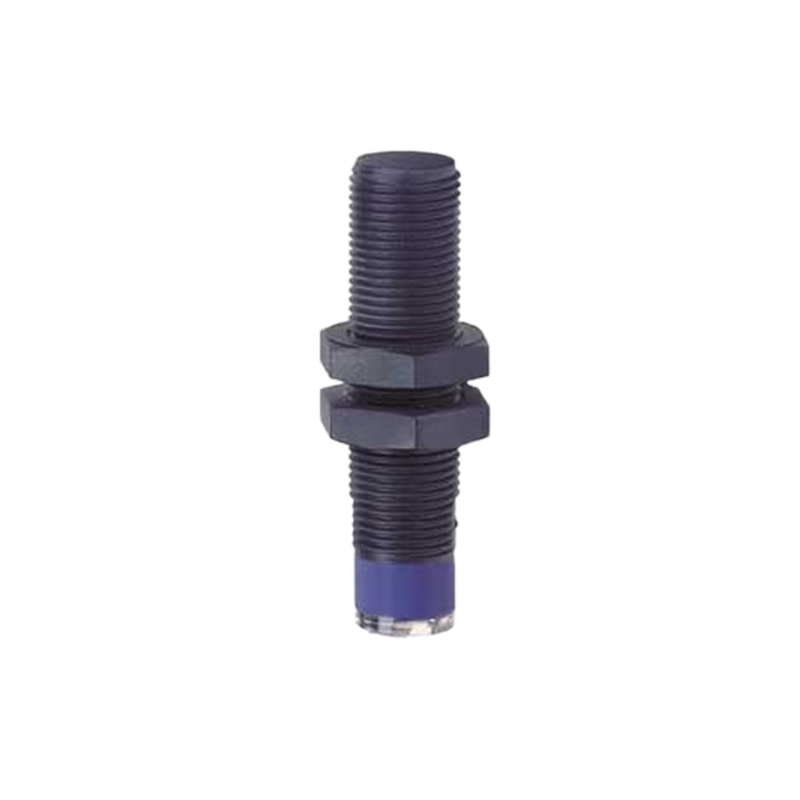
In industrial automation and security systems, proximity sensors are widely used for detecting the presence or absence of objects without physical contact. A common question among engineers and system designers is whether these sensors can effectively detect human presence through barriers such as doors. This article delves into the technical principles, limitations, and practical considerations of using proximity sensors for through-door detection.
Proximity sensors operate based on various technologies, including inductive, capacitive, ultrasonic, and infrared (IR) methods. Each type has distinct mechanisms that influence its ability to sense through obstacles. Inductive sensors, for instance, generate electromagnetic fields to detect metallic objects. They are highly effective in industrial settings but cannot detect non-metallic materials like wood or plastic doors, making them unsuitable for through-door human detection. Capacitive sensors, on the other hand, measure changes in capacitance caused by conductive or dielectric objects, including the human body. While they can sense through thin non-metallic barriers, their performance degrades with thicker materials like standard doors, as the electric field weakens significantly.
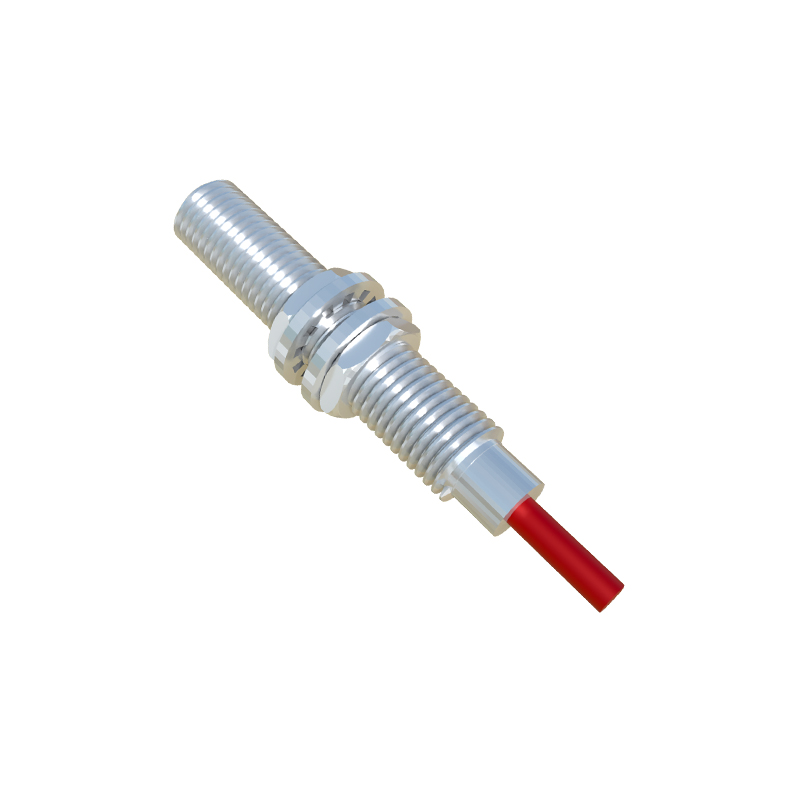
Ultrasonic sensors emit sound waves and measure their reflection to detect objects. They can penetrate certain materials, but doors—especially solid ones—absorb or scatter ultrasonic waves, reducing accuracy. For human detection, this often leads to false negatives or unreliable readings. Infrared sensors, including passive infrared (PIR) sensors commonly used in motion detectors, rely on heat signatures. They cannot "see" through doors, as IR radiation is blocked by most door materials. However, some advanced active IR sensors might detect thermal changes near a door if there's minimal insulation, but this is not a reliable method for precise detection.
The primary challenge in through-door detection is signal attenuation. When a sensor's output—whether electromagnetic, acoustic, or thermal—encounters a door, the material's density, thickness, and composition affect signal penetration. For example, a thin wooden door might allow partial capacitive or ultrasonic sensing, but a metal or thick solid door will almost completely block signals. In practice, this means proximity sensors are generally not designed for through-barrier detection. Instead, they are optimized for direct line-of-sight applications where the sensor and target are in an unobstructed environment.
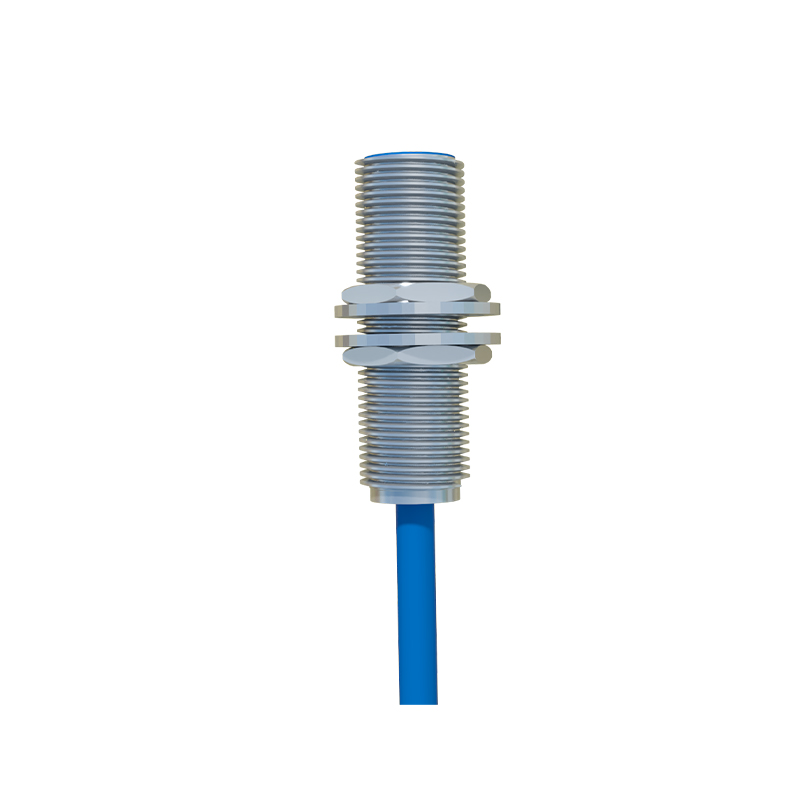
For scenarios requiring human detection through doors, alternative solutions exist. Microwave sensors, which use radar technology, can penetrate non-metallic barriers more effectively than other types. They are employed in specialized security systems but come with higher costs and complexity. Another approach is to use sensors on both sides of the door, such as placing a capacitive sensor on the door handle to detect touch or an IR array in the doorway to monitor movement. In smart home systems, integration with other devices—like cameras or vibration sensors—can provide indirect detection through data fusion.
In summary, while proximity sensors offer efficient detection in open spaces, their ability to sense through doors is limited by physical principles. Engineers should select sensors based on the specific application, considering factors like door material, required accuracy, and environmental conditions. For reliable human presence detection behind doors, combining multiple sensor technologies or using barrier-penetrating methods like microwaves may be necessary. As technology advances, innovations in sensor design could improve through-barrier capabilities, but for now, practical implementations often rely on complementary systems.