In the realm of meteorological monitoring and hydrological studies, accurate snow depth measurement is critical for avalanche forecasting, water resource management, and climate research. Traditional methods, such as manual snow stakes or ultrasonic sensors, often face limitations in precision, reliability, and adaptability to harsh environments. Enter the laser snow depth sensor—a sophisticated instrument leveraging laser technology to deliver high-accuracy, real-time data with minimal maintenance.
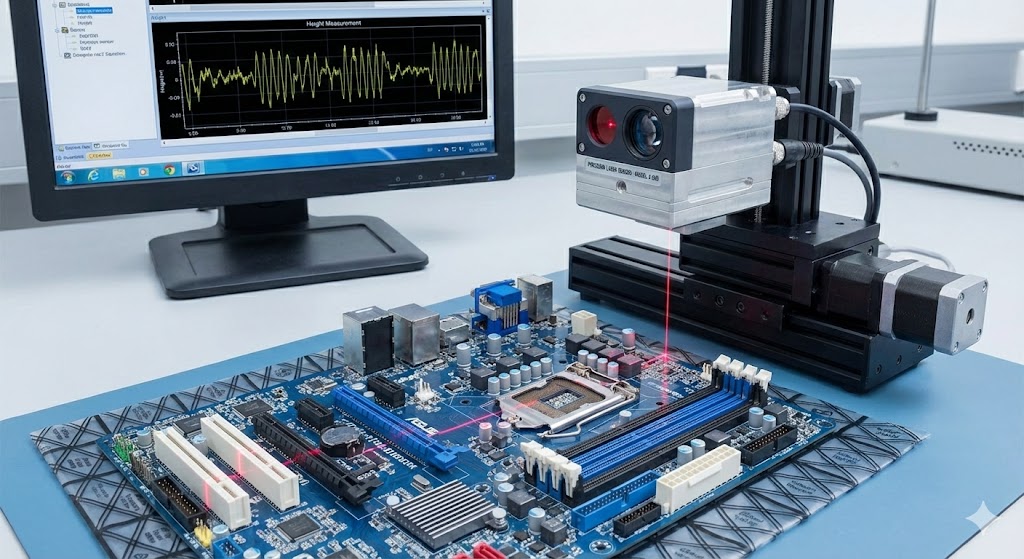
Laser snow depth sensors operate on the principle of time-of-flight (ToF) measurement. A laser diode emits a focused beam of light toward the snow surface. The sensor then calculates the distance by measuring the time it takes for the light to reflect back to a detector. Given the constant speed of light, this method allows for sub-millimeter resolution under optimal conditions. Unlike ultrasonic sensors, which can be affected by temperature variations and wind, laser sensors are largely immune to such environmental factors, ensuring consistent performance in extreme cold, high altitudes, or during storms.
The core components of a typical laser snow sensor include a laser emitter, a high-sensitivity photodetector, a precision timing circuit, and a data processing unit. Advanced models incorporate eye-safe laser classes (e.g., Class 1 or Class 2) to ensure operational safety in public or remote areas. Many sensors also feature integrated heating elements to prevent snow or ice accumulation on the lens, a common challenge in winter deployments. Data output is typically transmitted via standard protocols like SDI-12, RS-485, or wireless interfaces, enabling seamless integration into weather stations or IoT networks.

One significant advantage of laser sensors is their ability to measure snow depth without physical contact. This non-invasive nature eliminates issues like snow compression or surface disturbance, which can skew readings from contact-based tools. Moreover, laser beams have a small footprint, allowing targeted measurements even in uneven terrain or forested areas where snow distribution is heterogeneous. Some sensors offer scanning capabilities, providing spatial snow depth profiles rather than single-point data, which is invaluable for hydrological modeling.
In practice, laser snow sensors are deployed across diverse settings: from alpine ski resorts monitoring avalanche risks to research institutes studying snowpack dynamics. For instance, in watershed management, accurate snow depth data helps predict spring meltwater runoff, crucial for reservoir operations and flood control. Climate scientists utilize long-term snow depth records to analyze trends related to global warming, as snow cover serves as a key indicator of climatic changes.
Despite their robustness, laser snow sensors are not without challenges. Heavy snowfall or dense fog can sometimes scatter the laser beam, requiring signal processing algorithms to filter noise. Regular calibration against known references is recommended to maintain accuracy over time. However, with proper installation—such as mounting on stable poles away from obstructions—and routine checks, these sensors offer unparalleled reliability.
The future of laser snow sensing is poised for innovation. Integration with artificial intelligence enables predictive analytics, such as forecasting snow density or melt rates. Miniaturization and reduced power consumption are making sensors more affordable and suitable for large-scale sensor networks. As climate variability intensifies, the demand for precise, automated snow monitoring will only grow, solidifying the role of laser technology in safeguarding communities and advancing scientific understanding.
In summary, laser snow depth sensors represent a leap forward in environmental instrumentation. By combining high precision, durability, and smart connectivity, they empower meteorologists, hydrologists, and engineers to make data-driven decisions in an increasingly unpredictable world.