In the realm of industrial automation, proximity sensors have emerged as fundamental components, yet their indispensability is often questioned amidst evolving technologies. These non-contact detection devices, which identify the presence or absence of objects within a specified range, are integral to countless applications—from assembly lines and robotics to safety systems and material handling. But are they truly essential, or could alternatives suffice? This article delves into the functionality, advantages, and limitations of proximity sensors, exploring their role in contemporary engineering landscapes.
Proximity sensors operate on various principles, including inductive, capacitive, ultrasonic, and optical methods. Inductive sensors, for instance, detect metallic objects through electromagnetic fields, making them ideal for harsh environments where dust, moisture, or vibrations are prevalent. Capacitive sensors, on the other hand, respond to both metallic and non-metallic materials by measuring changes in capacitance, suitable for liquid level detection or plastic object recognition. Ultrasonic sensors use sound waves to gauge distance, excelling in applications requiring precise measurement, while optical sensors rely on light beams for high-speed detection. Each type offers distinct benefits, such as durability, accuracy, and versatility, contributing to their widespread adoption in industries like automotive manufacturing, packaging, and pharmaceuticals.
The advantages of proximity sensors are manifold. Their non-contact nature minimizes wear and tear, extending operational lifespan and reducing maintenance costs. They provide rapid response times, often in milliseconds, enhancing efficiency in high-speed production lines. Moreover, their ability to function in extreme conditions—such as high temperatures, corrosive atmospheres, or dirty settings—makes them reliable where human intervention or mechanical switches would fail. For example, in automotive welding processes, inductive sensors ensure precise positioning of metal parts without physical contact, preventing damage and ensuring consistency. In food processing, capacitive sensors detect container fill levels without contamination risks, upholding hygiene standards.
However, proximity sensors are not without limitations. They can be sensitive to environmental interference, such as electromagnetic noise affecting inductive types or ambient light disrupting optical variants. Calibration and installation require expertise, as misalignment may lead to false readings or operational failures. Cost is another consideration; while basic models are affordable, specialized sensors for complex tasks can be expensive, potentially impacting budget-sensitive projects. Alternatives like vision systems or tactile sensors offer complementary capabilities, such as detailed imaging or force feedback, which proximity sensors lack. In some cases, these alternatives might replace proximity sensors, particularly where multi-faceted detection is needed.
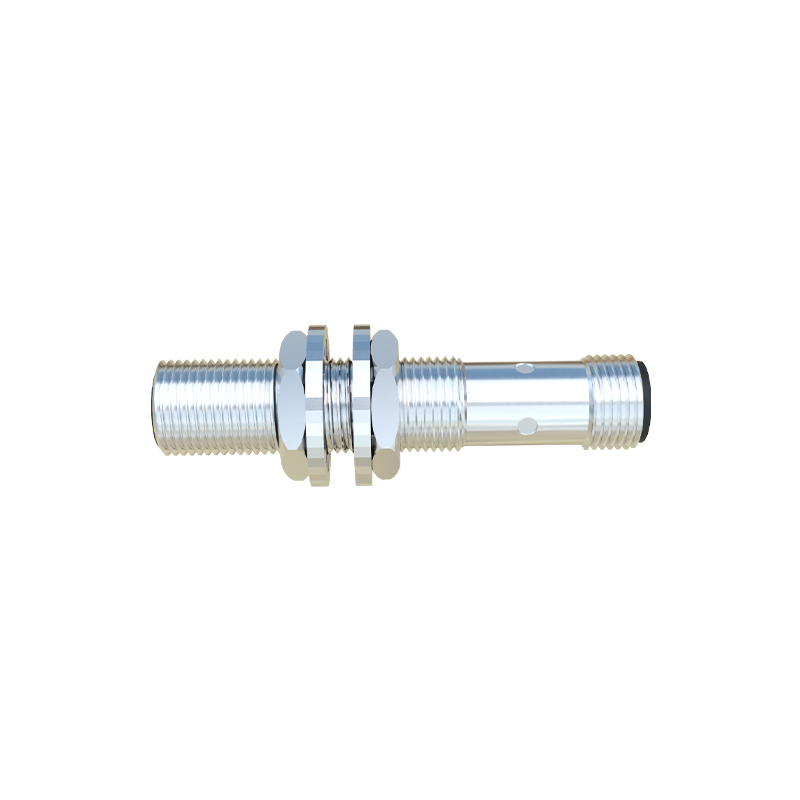
Despite these challenges, proximity sensors remain crucial in many scenarios due to their simplicity and reliability. They form the backbone of safety interlocks, preventing machinery accidents by detecting human proximity. In logistics, they enable automated sorting and inventory management, streamlining supply chains. As Industry 4.0 advances, integrating proximity sensors with IoT platforms allows for real-time monitoring and predictive maintenance, further solidifying their value. For instance, smart factories use sensor data to optimize production flows and reduce downtime, demonstrating how these devices adapt to digital transformation.
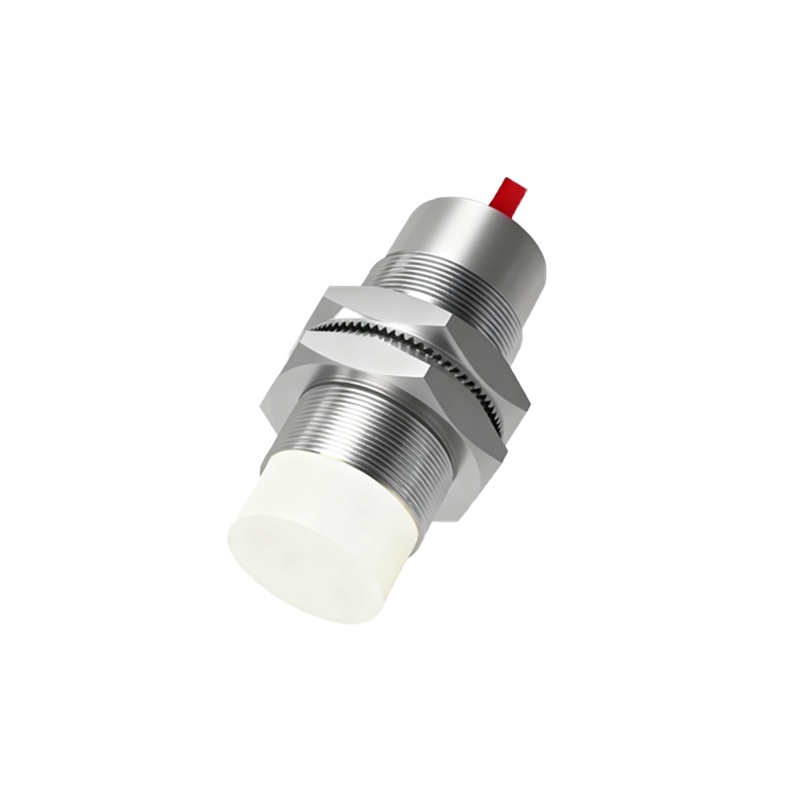
In conclusion, while proximity sensors may not be universally indispensable—as certain applications benefit from newer technologies—their role in industrial automation is profound. They offer a balance of performance, durability, and cost-effectiveness that few alternatives match. Engineers must assess specific needs, weighing factors like environment, accuracy, and budget to determine if proximity sensors are the optimal choice. As innovation continues, these sensors will likely evolve, maintaining relevance in an automated world. Ultimately, their utility hinges on context, but for now, they stand as pillars of modern engineering, enabling efficiency and safety across diverse sectors.