In the realm of industrial automation, the seamless interaction between proximity sensors and their corresponding electrical connectors is paramount for system integrity and operational efficiency. Proximity sensors, serving as the frontline data acquisition devices, detect the presence or absence of objects without physical contact. However, their sophisticated sensing capabilities are wholly dependent on the quality and reliability of the electrical connection established through their mating connectors. This interface is the critical junction where electrical signals, representing precise positional data, are transmitted to programmable logic controllers (PLCs) or other control systems. A failure at this point can lead to erroneous readings, machine downtime, or even safety hazards.
The selection of an appropriate connector for a proximity sensor is not a trivial task. It involves a comprehensive evaluation of electrical, mechanical, and environmental parameters. Electrically, the connector must maintain stable contact resistance to ensure signal fidelity. Voltage drop across a poor connection can distort the sensor's output, leading the control system to misinterpret the target's position. Connectors are typically specified with current and voltage ratings that must comfortably exceed the sensor's operational requirements, providing a necessary safety margin. Mechanically, the connector must offer robust mating cycles, often in the thousands, to withstand frequent installation, maintenance, or reconfiguration. The locking mechanism—whether a screw-lock, bayonet, or push-pull design—must prevent accidental disconnection due to vibration, a common challenge in industrial settings like conveyor systems or robotic arms. Environmental sealing, denoted by IP (Ingress Protection) or NEMA ratings, is crucial. Connectors must protect the sensitive pin contacts from contaminants such as dust, coolants, oils, and moisture. An IP67-rated connector, for instance, guarantees protection against temporary immersion, which is vital for washdown applications in food processing or pharmaceutical industries.
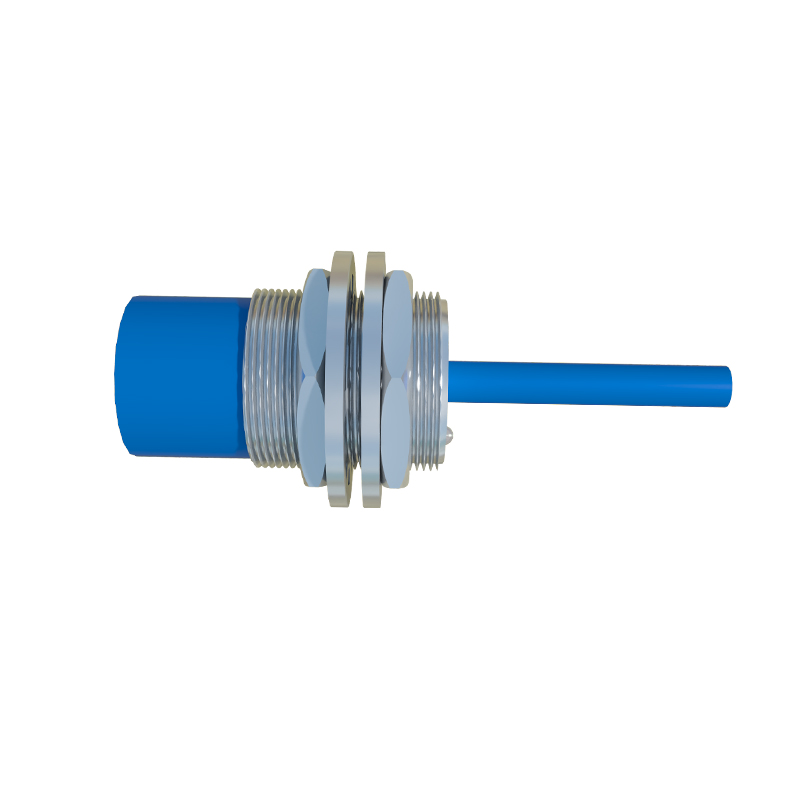
Furthermore, the trend towards miniaturization and increased sensor intelligence adds layers of complexity. Modern inductive, capacitive, and magnetic proximity sensors are becoming smaller while integrating advanced diagnostics (e.g., IO-Link technology). This evolution demands connectors with higher pin density and the capability to transmit not just a simple ON/OFF signal but also digital parameter and status data. The physical form factor of the connector, including its housing material (often PBT or PA plastic) and cable outlet orientation (straight or right-angled), must be chosen to fit the spatial constraints of the machine design without inducing undue strain on the cable.
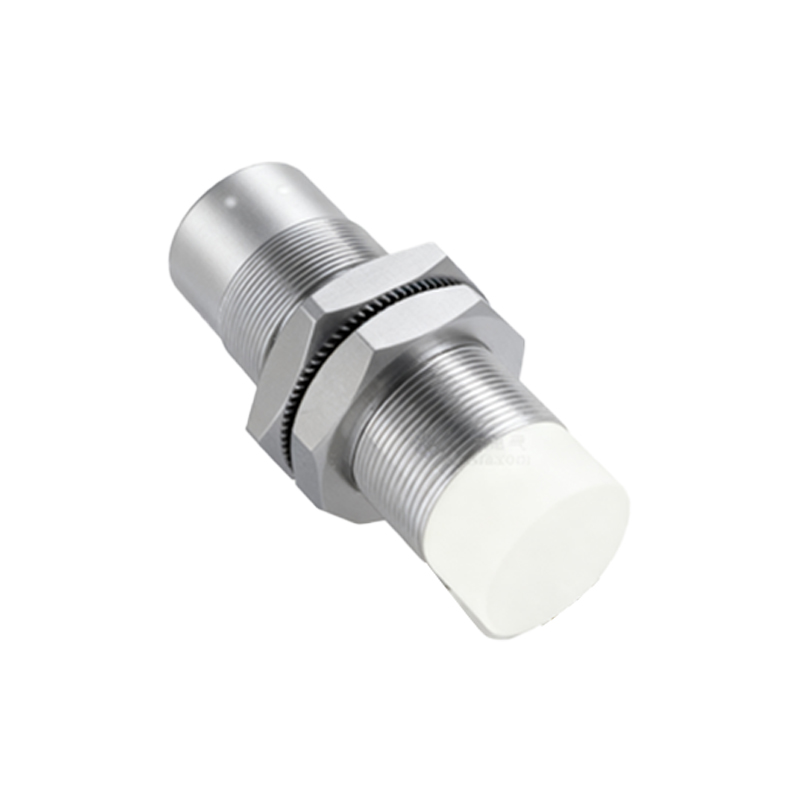
Installation practices profoundly impact long-term reliability. Proper cable preparation, including precise stripping and crimping of conductors to the connector's terminals, is fundamental. The use of manufacturer-recommended crimping tools ensures a gas-tight connection, preventing oxidation and subsequent resistance increase. Strain relief features on the connector housing must be correctly engaged to absorb mechanical forces, preventing tension from being transferred to the electrical solder or crimp points. During maintenance, technicians must follow electrostatic discharge (ESD) safety protocols when handling sensor connectors, as some semiconductor-based sensors are susceptible to damage from static electricity.
In summary, the connector is far more than a passive conduit; it is an active, critical component in the sensing loop. Specifying a high-quality, application-matched connector and adhering to rigorous installation standards are non-negotiable for unlocking the full performance, longevity, and diagnostic potential of modern proximity sensors. This holistic approach to the sensor-connector interface is a cornerstone of building resilient and intelligent automated systems, minimizing unplanned downtime and maximizing productivity. As Industry 4.0 drives greater connectivity, the reliability of this fundamental link will only grow in importance.