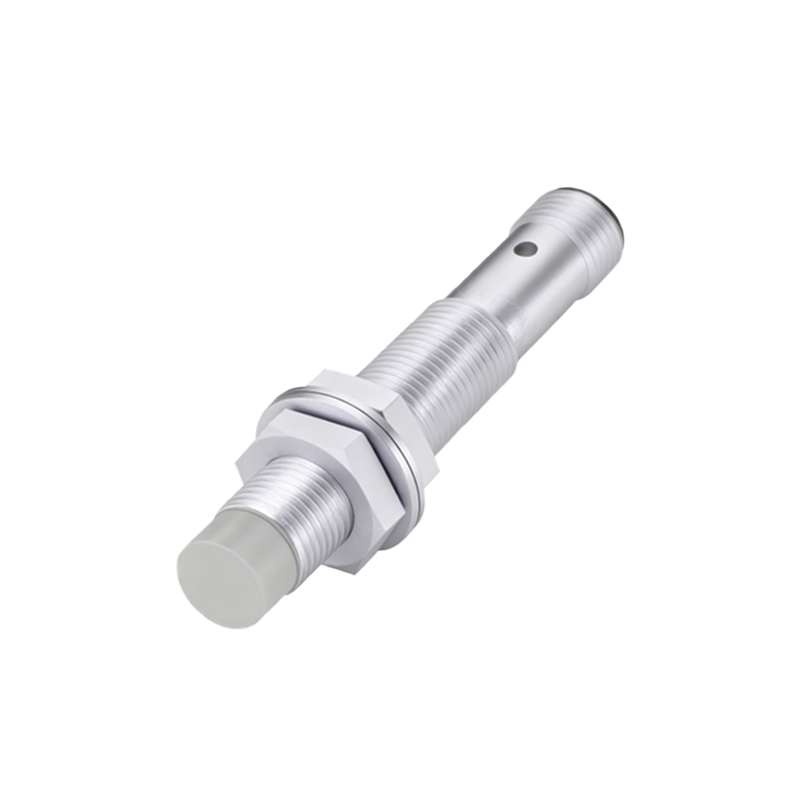
In the realm of industrial automation, selecting the appropriate proximity sensor switch is a critical decision that directly impacts system reliability, efficiency, and safety. Proximity sensors, which detect the presence or absence of objects without physical contact, come in various technologies, each with distinct advantages and limitations. Understanding these differences is essential for optimal performance in diverse operational environments.
The primary technologies include inductive, capacitive, ultrasonic, and photoelectric sensors. Inductive proximity sensors are widely used for detecting metallic objects. They generate an electromagnetic field and react to changes caused by conductive materials. Ideal for harsh industrial settings, they are robust, resistant to dirt and moisture, and offer high switching frequencies. However, they are limited to metals, typically ferrous materials like steel, with non-ferrous metals such as aluminum requiring specialized models. Common applications include position sensing in machinery, counting metal parts on conveyor belts, and detecting piston positions in cylinders.
Capacitive proximity sensors, on the other hand, can detect both metallic and non-metallic materials, including liquids, plastics, wood, and granular substances. They operate by measuring changes in capacitance caused by the presence of any material that alters the electrostatic field. This versatility makes them suitable for level detection in tanks, material handling, and packaging lines where diverse materials are present. However, they can be sensitive to environmental factors like humidity and temperature variations, necessitating careful calibration.
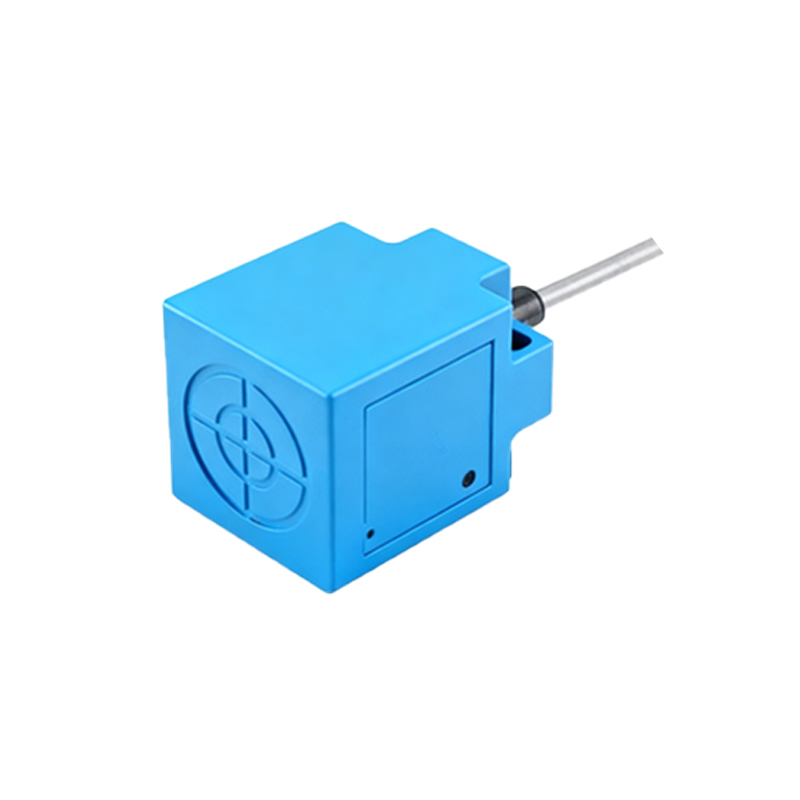
Ultrasonic sensors utilize sound waves beyond human hearing to detect objects and measure distances. They are excellent for applications requiring precise distance measurement or detection of objects regardless of color, transparency, or material composition. Commonly used in fill-level control, object profiling, and collision avoidance systems, they perform well in dusty or foggy conditions where optical sensors might fail. Drawbacks include potential interference from air turbulence, temperature gradients, and soft materials that absorb sound waves.
Photoelectric sensors employ light beams, typically infrared or laser, to detect objects. They are categorized into through-beam, retro-reflective, and diffuse reflective types, each offering different sensing ranges and environmental tolerances. Photoelectric sensors are highly effective for long-range detection, small object sensing, and applications involving transparent or shiny materials. However, they can be affected by ambient light, dust, and dirt accumulation on lenses, requiring regular maintenance in dirty environments.
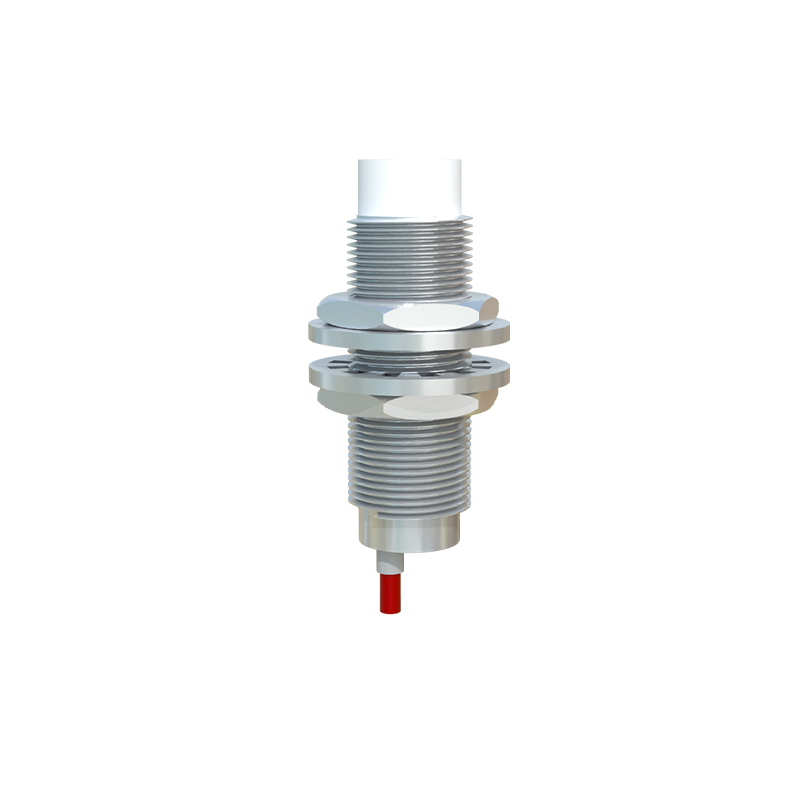
Key selection criteria extend beyond technology. Consider the sensing range, which must accommodate the maximum distance at which reliable detection is needed. Environmental conditions such as temperature extremes, exposure to chemicals, water, or vibrations dictate the required ingress protection (IP) rating and housing material, often stainless steel or nickel-plated brass for durability. Output type is another vital factor; options include NPN, PNP, analog, or IO-Link outputs, aligning with the control system's input requirements. Additionally, response time and switching frequency must match the speed of the application to avoid missed detections or bottlenecks.
Installation and wiring considerations are equally important. Ensure proper mounting to avoid mutual interference between multiple sensors. Shielded or unshielded models should be chosen based on the proximity to other electromagnetic sources. For networked systems, smart sensors with diagnostic capabilities and communication protocols like PROFINET or EtherNet/IP can enhance predictive maintenance and system integration.
Ultimately, the choice hinges on a thorough analysis of the application specifics: target material, required detection distance, environmental challenges, and integration with existing control architecture. Consulting technical datasheets and engaging with suppliers for testing samples in real-world conditions can prevent costly errors. By meticulously evaluating these parameters, engineers can deploy proximity sensor switches that ensure seamless automation, reduce downtime, and boost productivity across manufacturing, packaging, automotive, and material handling industries.