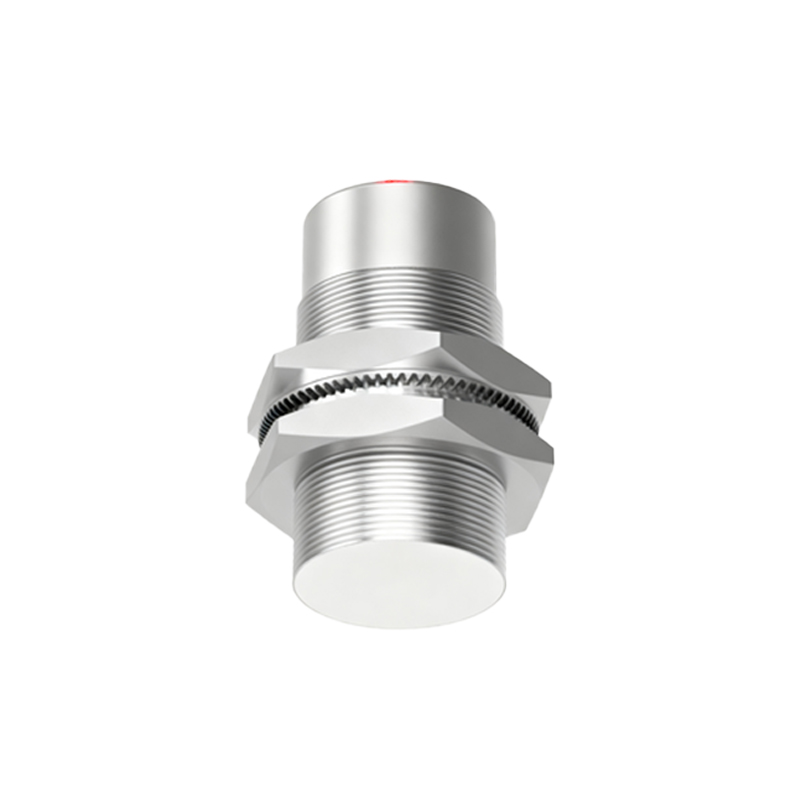
Proximity sensors are fundamental components in modern industrial automation, enabling non-contact detection of objects without physical interaction. These devices operate based on various physical principles, each suited to specific applications and environmental conditions. The most common types include inductive, capacitive, ultrasonic, and photoelectric sensors, each with distinct mechanisms for detecting presence, position, or movement.
Inductive proximity sensors are widely used for detecting metallic objects. They consist of an oscillator circuit that generates a high-frequency electromagnetic field. When a conductive metal enters this field, eddy currents are induced in the target, causing a change in the oscillation amplitude. This change is detected by a threshold circuit, which triggers an output signal. Inductive sensors are robust, resistant to environmental factors like dust or moisture, and ideal for harsh industrial settings such as machining or assembly lines. Typical sensing ranges vary from a few millimeters to several centimeters, depending on the sensor size and target material.
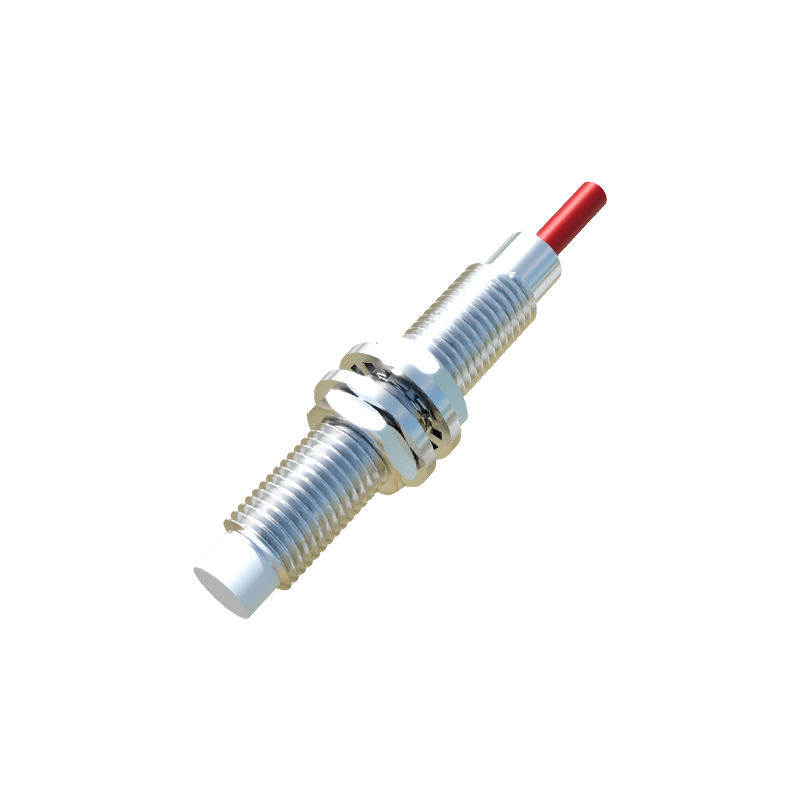
Capacitive proximity sensors, on the other hand, can detect both metallic and non-metallic materials, including liquids, plastics, and wood. They function by measuring changes in capacitance between the sensor's electrode and the target object. The sensor generates an electrostatic field, and when an object enters this field, the capacitance increases, altering the oscillation in an internal circuit. This triggers the output when a preset threshold is reached. Capacitive sensors are useful in applications like level detection in tanks or material handling, but they can be influenced by environmental factors such as humidity or temperature variations.
Ultrasonic proximity sensors employ sound waves beyond human hearing, typically in the range of 20 kHz to 200 kHz. They emit ultrasonic pulses and measure the time taken for echoes to return after reflecting off an object. By calculating the time-of-flight, these sensors determine distance or presence with high accuracy. Ultrasonic sensors are versatile, capable of detecting objects regardless of color, transparency, or material, making them suitable for complex environments like packaging or robotics. However, they may be affected by air turbulence or soft materials that absorb sound waves.
Photoelectric sensors use light beams, often infrared or laser, to detect objects. They consist of an emitter that projects light and a receiver that senses changes in the light pattern. When an object interrupts or reflects the beam, the receiver detects the variation and activates the output. Photoelectric sensors offer long sensing ranges and fast response times, commonly used in conveyor systems or safety barriers. They can be configured in through-beam, retro-reflective, or diffuse modes, each with advantages for different scenarios, though they may be sensitive to ambient light or dirty conditions.
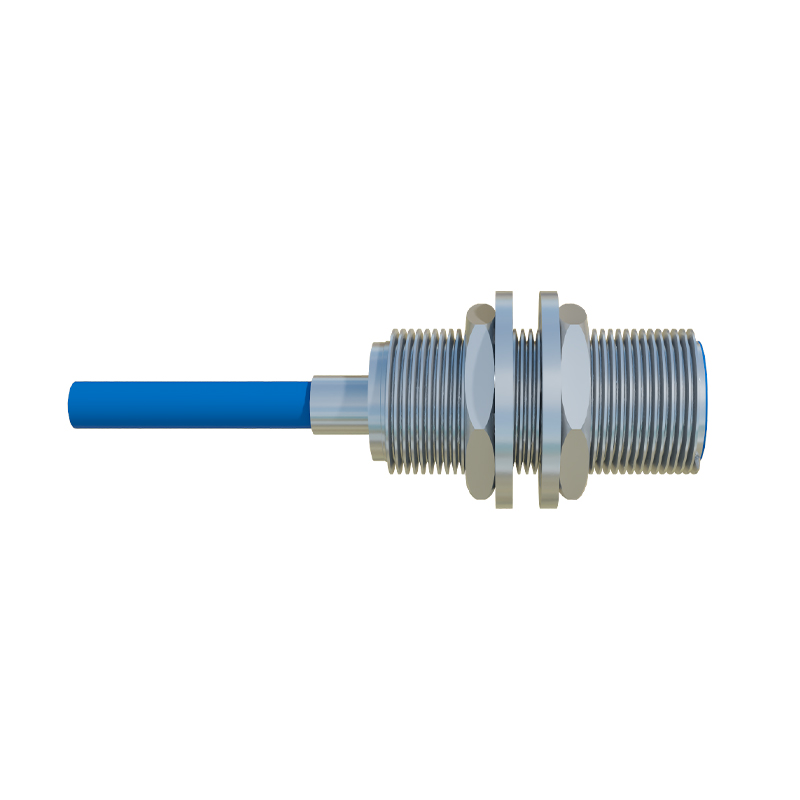
In practice, selecting the right proximity sensor involves considering factors like target material, sensing distance, environmental conditions, and required output type (e.g., digital or analog). Proper installation and calibration are crucial to ensure reliable operation, avoiding interference from nearby equipment or incorrect alignment. As technology advances, smart sensors with integrated diagnostics and communication protocols (like IO-Link) are becoming more prevalent, enhancing efficiency in industrial automation. By understanding these basic principles, engineers can optimize system performance, reduce downtime, and improve safety in diverse applications from manufacturing to automotive industries.