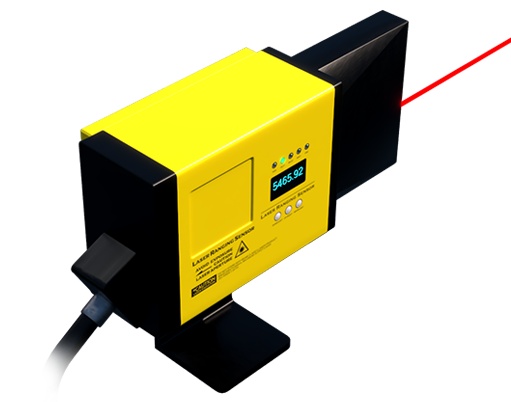
In the rapidly evolving landscape of electrical engineering, precision and reliability are paramount. Laser joint detection sensors have emerged as a critical technology for ensuring the integrity of electrical connections, which are fundamental to system performance and safety. These sensors utilize laser-based measurement techniques to inspect joints—such as those in circuit boards, wiring harnesses, or power distribution systems—for defects like cracks, misalignments, or poor conductivity. By emitting a focused laser beam onto the joint surface, the sensor captures reflected or scattered light to analyze characteristics such as surface texture, thermal distribution, and geometric alignment. This non-contact method offers significant advantages over traditional inspection methods, including higher accuracy, faster processing speeds, and the ability to operate in harsh environments without physical wear.
The core principle behind laser joint detection sensors involves optical triangulation or interferometry. In optical triangulation, a laser diode projects a spot or line onto the joint, while a camera at a known angle captures the image. Any deviations in the joint's surface cause shifts in the laser pattern, which are processed by algorithms to detect anomalies. For more complex applications, interferometric sensors use the interference of laser light waves to measure minute displacements or vibrations, enabling detection of micro-defects that could lead to failures. These sensors are often integrated with automated systems, such as robotic arms in manufacturing lines, allowing for real-time monitoring and immediate corrective actions. This integration enhances quality control processes, reducing downtime and minimizing human error.
In practice, laser joint detection sensors are widely applied across various sectors. In the automotive industry, they ensure reliable electrical connections in vehicles' electronic control units (ECUs) and battery systems, which are crucial for electric and hybrid vehicles. In aerospace, these sensors inspect joints in avionics and power cables, where failure could have catastrophic consequences. The energy sector relies on them for maintaining grid infrastructure, such as detecting faults in transformer connections or solar panel arrays. Additionally, with the rise of Industry 4.0, these sensors contribute to smart factories by providing data for predictive maintenance, using machine learning algorithms to forecast potential joint failures before they occur.
Despite their benefits, challenges remain in deploying laser joint detection sensors. Environmental factors like dust, humidity, or extreme temperatures can affect laser accuracy, necessitating protective enclosures or calibration protocols. Cost is another consideration, as high-end sensors with advanced features may require significant investment, though this is often offset by long-term savings from reduced defects and improved efficiency. Future developments are focused on enhancing sensor sensitivity, miniaturization for compact applications, and improving compatibility with IoT platforms for seamless data exchange. As electrical systems become more complex, the role of laser joint detection sensors will only grow, driving innovation in safety and performance standards.

Overall, laser joint detection sensors represent a transformative tool in electrical engineering, offering unparalleled precision in joint inspection. By leveraging laser technology, engineers can achieve higher quality assurance, extend equipment lifespan, and ensure compliance with stringent industry regulations. As research continues to advance, these sensors are poised to become even more integral to modern electrical infrastructure, supporting the transition toward more automated and resilient systems. For professionals in the field, staying updated on these technologies is essential for maintaining competitive edge and operational excellence.