In the rapidly evolving landscape of industrial automation and smart technology, miniature proximity sensor companies are emerging as pivotal players. These firms specialize in developing compact, high-precision sensors that detect the presence or absence of objects without physical contact, utilizing technologies such as inductive, capacitive, ultrasonic, and photoelectric principles. The demand for these tiny yet powerful components is surging across diverse sectors including automotive manufacturing, consumer electronics, robotics, and medical devices, driven by the need for efficiency, safety, and miniaturization.
A leading miniature proximity sensor company typically focuses on innovation in design and functionality. For instance, advancements in micro-electromechanical systems (MEMS) and nanotechnology have enabled sensors to become smaller, more energy-efficient, and capable of operating in harsh environments with extreme temperatures or vibrations. These sensors offer key benefits like high-speed response, long operational life, and immunity to environmental factors like dust or moisture, making them ideal for applications in tight spaces or sensitive equipment. Companies often invest heavily in research and development to enhance sensing ranges, accuracy, and integration with IoT platforms, allowing for real-time data collection and predictive maintenance in smart factories.
The competitive edge for these companies lies in their ability to provide customized solutions. By collaborating closely with clients, they tailor sensors to specific needs, such as low-power models for battery-operated devices or high-frequency variants for fast-moving production lines. Quality assurance is paramount, with rigorous testing protocols ensuring reliability under diverse conditions. Moreover, adherence to international standards like ISO and CE marks builds trust in global markets.
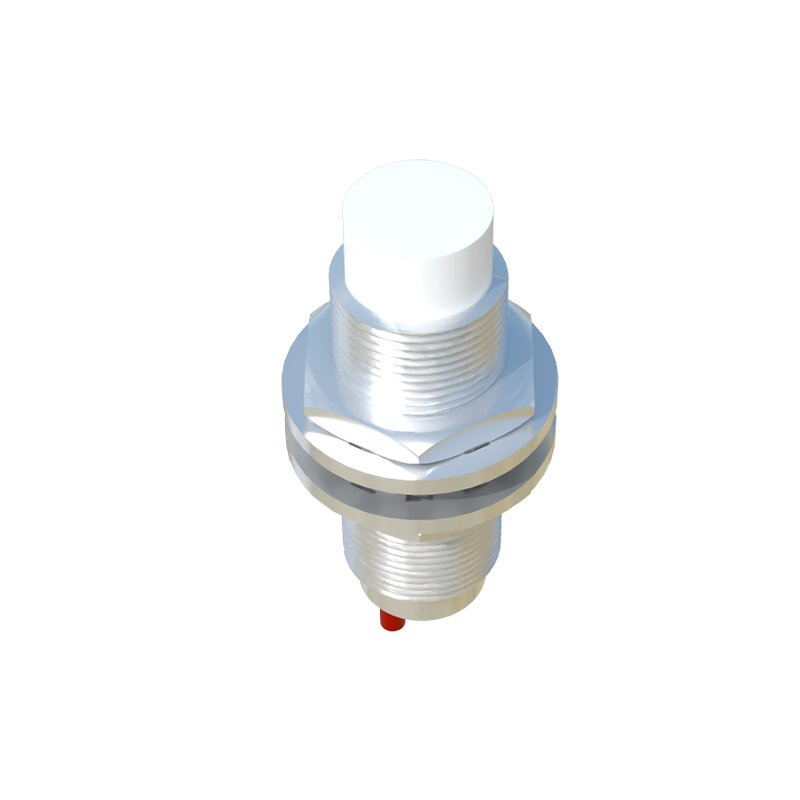
Despite challenges like supply chain disruptions or intense competition from larger electronics firms, miniature proximity sensor companies thrive by leveraging agility and niche expertise. They often adopt sustainable practices, using eco-friendly materials and reducing waste in production. As industries continue to automate and digitize, the role of these sensors will expand, enabling smarter, more responsive systems. In summary, miniature proximity sensor companies are not just component suppliers; they are enablers of technological progress, driving innovation that shapes the future of automation and connectivity.