In the realm of modern electronics, eyepiece proximity sensors have become a subtle yet crucial component, enhancing user experience across various devices. These sensors are primarily designed to detect the presence of an object, typically a user's face or hand, near the eyepiece or screen area. By doing so, they enable smart functionalities that conserve power, prevent accidental touches, and improve overall interaction efficiency.
The fundamental principle behind eyepiece proximity sensors involves infrared (IR) technology. Most sensors emit an infrared light beam, which reflects off nearby objects and returns to a receiver within the sensor. The time taken for this reflection, or the intensity of the returned signal, helps determine the object's proximity. This data is then processed by the device's software to trigger specific actions. For instance, during a phone call, when the sensor detects your ear close to the screen, it automatically turns off the display to save battery and prevent unintended screen presses.
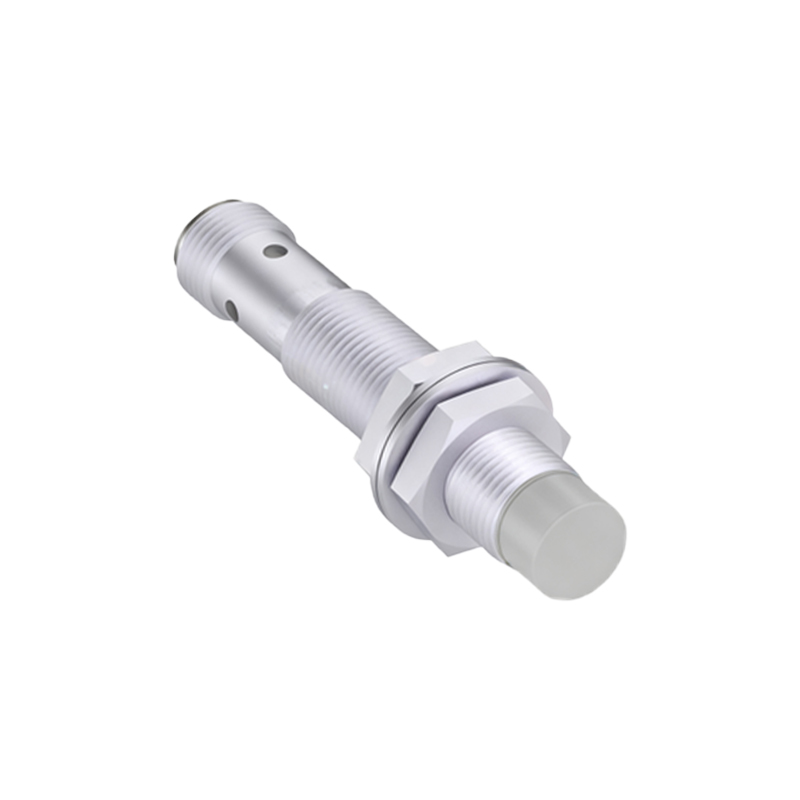
Applications of these sensors extend beyond smartphones. They are integral in virtual reality (VR) headsets, where they detect when the headset is worn, activating the display and adjusting settings for an immersive experience. In digital cameras and binoculars, proximity sensors near the eyepiece can turn on or off viewfinders based on user presence, optimizing energy use. Additionally, automotive systems utilize similar sensors in dashboards or heads-up displays to reduce glare and adjust brightness when drivers lean in.
The advantages of incorporating eyepiece proximity sensors are multifaceted. Energy efficiency stands out, as devices can intelligently manage power by deactivating unnecessary functions when not in use. This not only prolongs battery life but also reduces environmental impact. User convenience is another key benefit; automatic screen adjustments minimize manual interventions, creating a seamless interface. Moreover, these sensors enhance safety by preventing distractions—for example, disabling touch inputs during calls reduces the risk of accidental dialing or app launches.
However, challenges exist in their implementation. Accuracy can be affected by environmental factors like ambient light or reflective surfaces, potentially leading to false triggers. Manufacturers address this through advanced calibration and shielding techniques. Durability is also a concern, as sensors must withstand daily wear and tear without compromising performance. Ongoing research focuses on improving sensitivity and integrating artificial intelligence for better context-aware responses.
Looking ahead, the evolution of eyepiece proximity sensors is poised to align with trends in miniaturization and connectivity. As devices become smaller and more interconnected, sensors may adopt ultra-compact designs with lower power consumption. Innovations like time-of-flight (ToF) sensors could offer higher precision, enabling new use cases in augmented reality (AR) and healthcare monitoring. Furthermore, the rise of the Internet of Things (IoT) might see these sensors embedded in smart glasses or wearable tech, facilitating hands-free control and personalized interactions.
In summary, eyepiece proximity sensors represent a vital element in today's tech landscape, bridging hardware and software to deliver intuitive user experiences. Their silent operation belies a significant impact on how we interact with devices daily. As technology advances, these sensors will likely become even more sophisticated, driving further innovations in consumer electronics and beyond. Understanding their function and potential helps appreciate the intricate engineering behind seemingly simple conveniences.