In the rapidly evolving landscape of industrial automation and smart technology, the demand for reliable, precise, and efficient sensing solutions has never been greater. Among the various technologies available, advantage proximity sensors have emerged as a cornerstone, fundamentally transforming how machines interact with their environment. Unlike traditional mechanical switches or basic sensors, these advanced devices offer a non-contact method of detection, providing significant benefits in terms of durability, speed, and accuracy.
The core principle behind an advantage proximity sensor is its ability to detect the presence or absence of an object within a specific range without any physical contact. This is typically achieved through electromagnetic fields, infrared light, or ultrasonic sound waves. For instance, inductive proximity sensors generate an oscillating electromagnetic field. When a metallic object enters this field, it causes a change in the oscillation amplitude, which the sensor detects. Similarly, capacitive sensors can detect both metallic and non-metallic objects by monitoring changes in capacitance. This non-contact nature eliminates mechanical wear and tear, leading to a dramatically longer operational lifespan compared to contact-based limit switches.
One of the most compelling advantages is the exceptional reliability and consistency they bring to automated processes. Because there is no physical contact, there is no risk of sensor damage from repeated impact or friction. This makes them ideal for high-speed applications, such as in packaging lines, automotive assembly robots, or CNC machining centers, where thousands of cycles per hour are common. The absence of moving parts also means they are largely immune to contamination from dust, oil, or coolant, ensuring stable performance even in harsh industrial environments.
Precision is another domain where these sensors excel. Modern advantage proximity sensors offer remarkably high repeat accuracy, meaning they can consistently detect an object at the exact same position every time. This is critical for applications requiring precise positioning, like robotic pick-and-place operations or precision assembly. Furthermore, their fast response times—often measured in microseconds—enable real-time feedback and control, allowing machinery to operate at optimal speeds without compromising safety or quality.
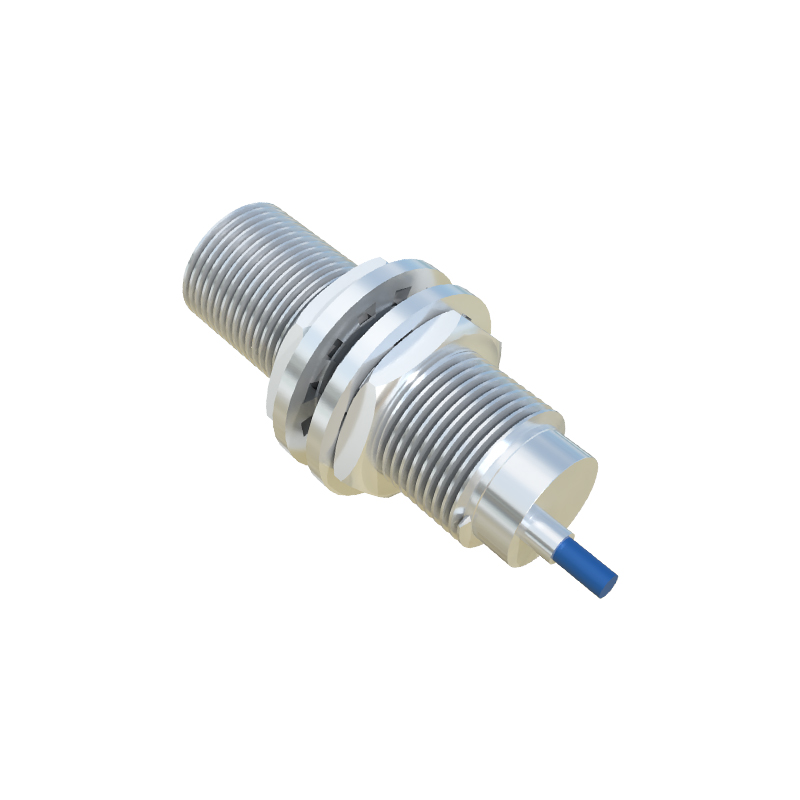
The integration of smart features has further elevated their utility. Many contemporary models come with built-in diagnostics, such as short-circuit protection, overload detection, and output status indicators. Some advanced versions even offer IO-Link communication, enabling seamless data exchange with higher-level control systems. This allows for predictive maintenance, as the sensor can report its health status or warn of potential failures before they cause downtime. The ability to digitally adjust sensing ranges or output parameters via software also simplifies installation and reduces setup time, enhancing overall system flexibility.
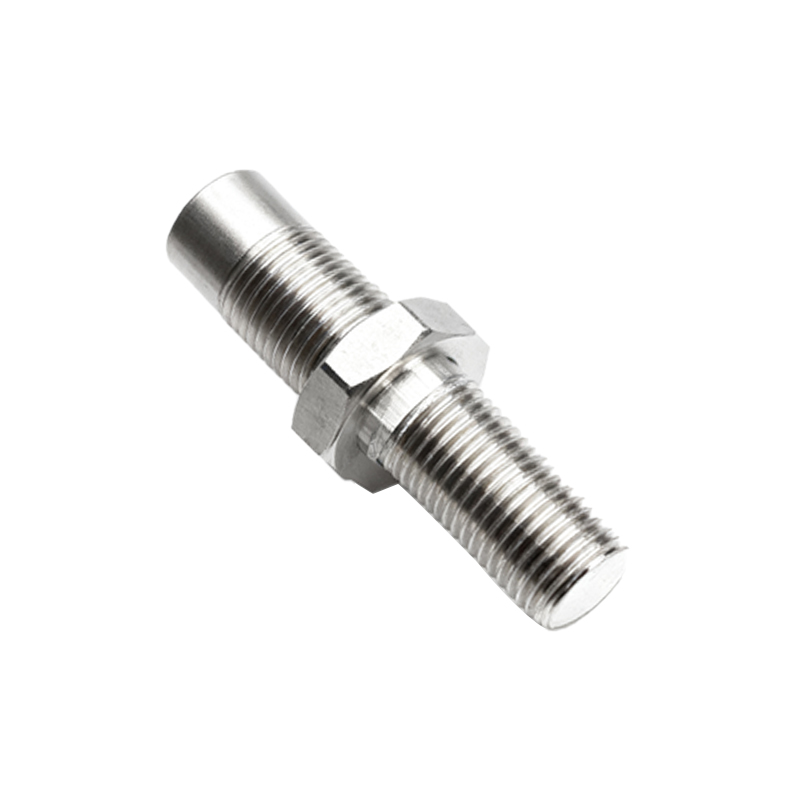
Energy efficiency is an increasingly important consideration, and advantage proximity sensors contribute positively here as well. Their solid-state design typically consumes less power than electromechanical alternatives. When deployed across a large factory with hundreds or thousands of sensing points, this can lead to significant reductions in energy consumption and operational costs.
From automotive manufacturing and food processing to pharmaceutical packaging and material handling, the applications are virtually limitless. They are used to count products on a conveyor, detect the position of a robotic arm, ensure safety doors are closed, or verify the presence of a component before a machining operation begins. Their versatility in detecting various materials—metals, plastics, liquids, and even granular substances—makes them an indispensable tool for engineers and system integrators.
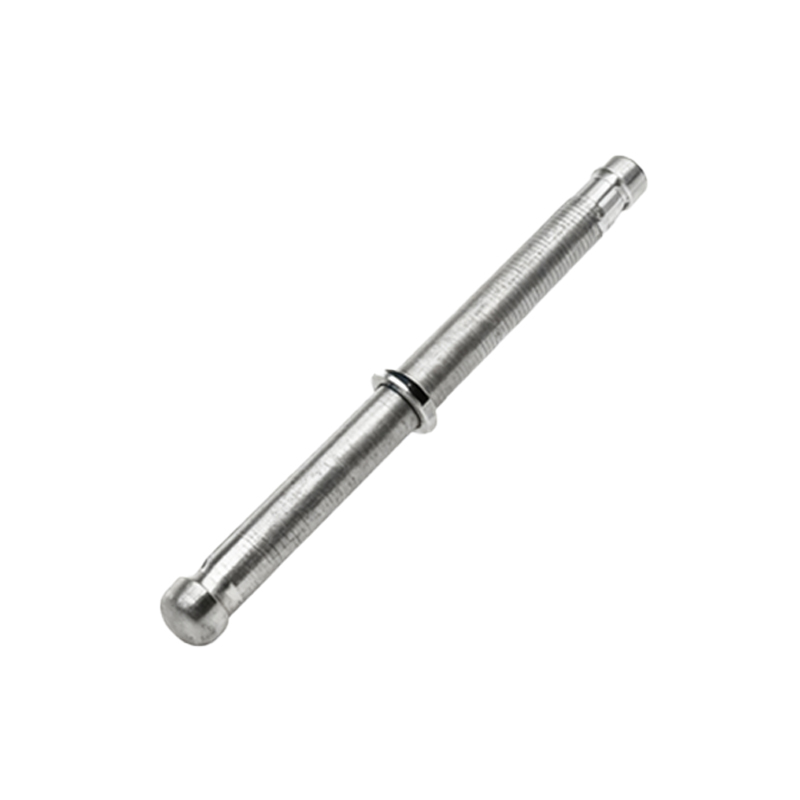
In conclusion, advantage proximity sensors represent a significant leap forward in sensing technology. By offering non-contact operation, unparalleled reliability, high precision, and intelligent connectivity, they address the core challenges of modern automation. As industries continue to strive for greater efficiency, reduced downtime, and higher quality, the role of these sophisticated sensors will only become more central, driving innovation and productivity on the factory floor and beyond.