In the realm of modern electronics and automation, the quest for more precise, reliable, and responsive detection has led to the development of ultra-sensitive proximity sensors. These advanced devices represent a significant leap beyond traditional sensing technologies, enabling machines and systems to perceive their environment with unprecedented accuracy and subtlety. Unlike standard sensors that may detect objects within a few centimeters, ultra-sensitive variants can identify the presence, absence, or position of an object at greater distances or with finer resolution, often reacting to minute changes in the surrounding field.
The core principle behind most ultra-sensitive proximity sensors involves the emission of an electromagnetic field or a beam of radiation, such as infrared light. The sensor then monitors for changes in the field or the return signal. Any interruption or alteration caused by a nearby object is detected and converted into an electrical signal. The "ultra-sensitive" qualification typically refers to enhancements in the signal processing circuitry, the use of higher-quality emitter and receiver components, and advanced algorithms that filter out noise while amplifying the relevant data. This allows them to detect objects with very low reflectivity, smaller sizes, or at extremely close ranges where traditional sensors would fail.
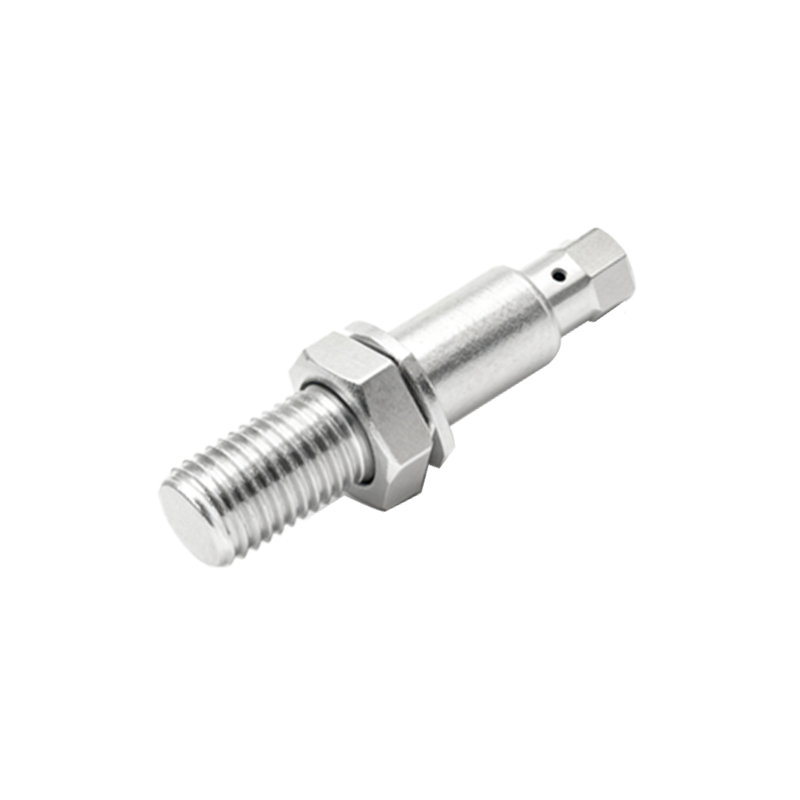
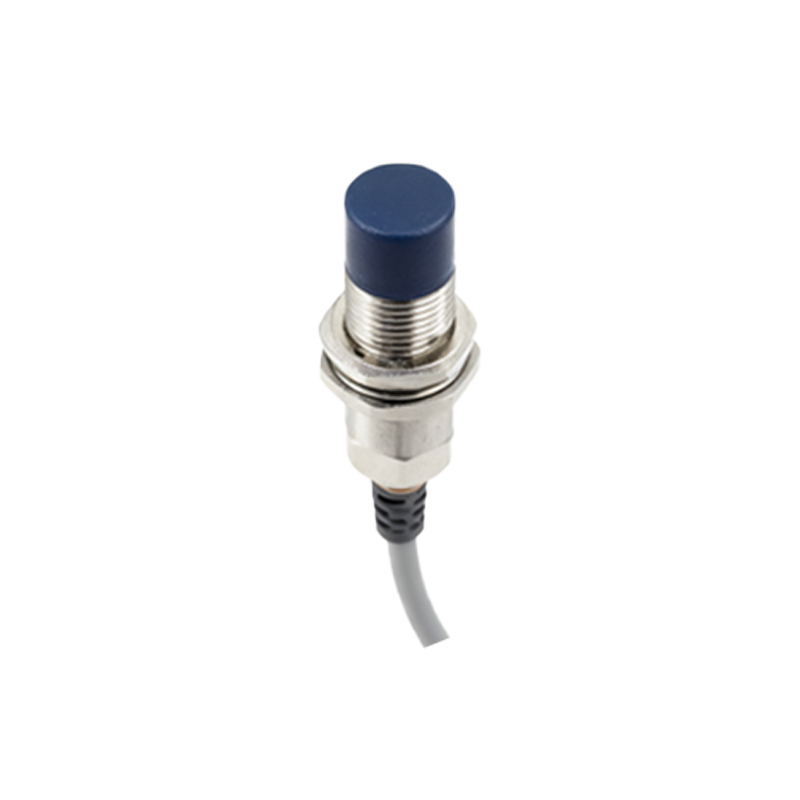
Several key technologies enable this heightened sensitivity. Capacitive proximity sensors, for instance, can detect nearly any material by sensing changes in capacitance caused by the object's dielectric properties. Their sensitivity can be finely tuned to even detect a human hand through a thin non-conductive barrier, making them ideal for touchless interfaces. Inductive sensors, optimized for detecting metals, achieve ultra-sensitivity through high-frequency oscillation circuits and specialized coil designs, allowing them to sense tiny metallic components in industrial automation. Photoelectric sensors utilize focused light beams and highly sensitive phototransistors or photodiodes; their ultra-sensitive versions can detect transparent films or minute particles that would otherwise be invisible to standard optical sensors.
The applications for these sophisticated sensors are vast and transformative. In consumer electronics, they are integral to providing seamless user experiences. Smartphones employ ultra-sensitive proximity sensors to disable touchscreen input during calls when the phone is near the ear, preventing accidental touches with exceptional reliability. They also enable features like automatic screen wake-up when a user approaches. In the automotive sector, they form the backbone of advanced driver-assistance systems (ADAS), enabling precise parking assistance, blind-spot monitoring, and gesture-controlled infotainment systems. Their reliability is crucial for safety-critical functions.
Industrial automation heavily relies on these sensors for precision tasks. On assembly lines, ultra-sensitive sensors can detect the finest misalignment of components, ensure precise counting of tiny parts, and monitor equipment positioning with micron-level accuracy. This minimizes errors, reduces waste, and enhances overall production quality. In the realm of robotics, they provide robots with a delicate sense of "touch" and spatial awareness, allowing for safe human-robot collaboration and the handling of fragile items.
The medical and healthcare fields benefit immensely from this technology. Non-contact sensing is vital in sterile environments. Ultra-sensitive sensors can monitor vital signs like respiration rate without physical contact, enable touchless control of medical equipment to prevent cross-contamination, and assist in precise surgical navigation systems. Furthermore, they are paving the way for new human-computer interaction paradigms, powering gesture recognition systems that can interpret subtle finger movements for immersive AR/VR experiences or sophisticated control panels.
Despite their advantages, designing and implementing ultra-sensitive proximity sensors comes with challenges. High sensitivity often makes them more susceptible to environmental interference such as temperature fluctuations, electromagnetic noise, or ambient light. This necessitates robust shielding, stable power supplies, and intelligent software calibration. Cost can also be a factor, as the components and manufacturing processes for high-performance sensors are more complex. However, ongoing advancements in semiconductor technology, machine learning for adaptive filtering, and miniaturization continue to push the boundaries, making these sensors more robust, affordable, and versatile.
Looking ahead, the integration of ultra-sensitive proximity sensors with the Internet of Things (IoT) and artificial intelligence is set to unlock even smarter systems. Networks of such sensors can provide rich, real-time environmental data, enabling predictive maintenance in factories, creating context-aware smart buildings, and developing more intuitive prosthetic limbs. As sensitivity improves and form factors shrink, these sensors will become even more ubiquitous, embedded into the fabric of our daily lives and industrial processes.
In conclusion, ultra-sensitive proximity sensors are far more than simple on/off switches. They are sophisticated perceptual organs for electronic systems, driving innovation across countless industries. By providing a finer and more reliable understanding of the immediate physical world, they are fundamentally enhancing how machines operate, how devices interact with users, and how automation achieves new levels of precision and efficiency. Their continued evolution promises to be a key enabler for the next wave of technological advancement.