In the realm of industrial automation, German laser sensor technology stands as a benchmark for precision, reliability, and innovation. Renowned for their engineering excellence, German manufacturers have consistently pushed the boundaries of what laser sensors can achieve, integrating advanced optics, sophisticated electronics, and robust software to meet the demanding requirements of modern manufacturing, logistics, and quality control processes.
The core strength of German laser sensors lies in their exceptional accuracy and stability. Utilizing high-quality laser diodes and precise optical components, these sensors can detect minute changes in distance, position, or surface characteristics with sub-micron resolution. This makes them indispensable in applications such as automated assembly lines, where precise part positioning is critical, or in semiconductor manufacturing, where even the slightest deviation can lead to significant product defects. German engineering ensures that these sensors maintain their performance over extended periods, even in harsh industrial environments characterized by vibration, temperature fluctuations, and contamination.
A key trend driving innovation in this sector is the integration of Industry 4.0 principles. Modern German laser sensors are increasingly equipped with smart features, including integrated IoT connectivity, data preprocessing capabilities, and advanced diagnostic functions. They can communicate seamlessly with higher-level control systems, such as PLCs and cloud platforms, providing real-time data for predictive maintenance and process optimization. This connectivity transforms sensors from mere data collection points into intelligent nodes within a networked production ecosystem, enabling greater flexibility and efficiency.
Furthermore, German companies are at the forefront of developing specialized laser sensor solutions. For instance, 3D laser scanners are used for complex contour and volume measurements, while high-speed laser sensors are deployed for in-line inspection of moving objects on conveyor belts. Safety-rated laser scanners, designed to protect human workers by creating virtual safety zones around hazardous machinery, exemplify the commitment to combining performance with stringent safety standards. The underlying software algorithms, often developed using machine learning techniques, enhance the sensors' ability to interpret complex scenes and make reliable decisions autonomously.
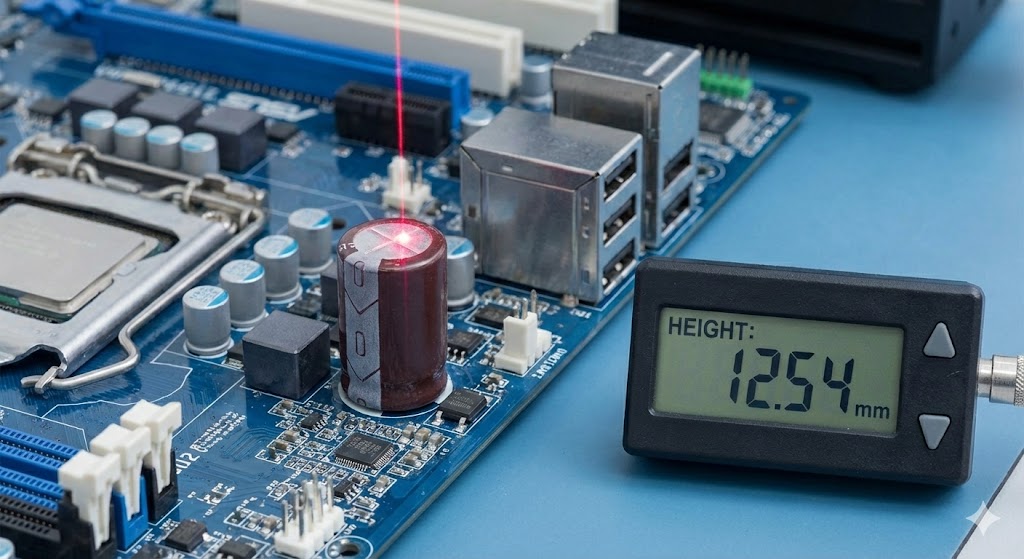
The application spectrum is vast. In the automotive industry, German laser sensors are used for robot guidance, weld seam inspection, and gap measurement. In logistics, they facilitate automated parcel sorting and warehouse inventory management through precise dimensioning and identification. The pharmaceutical and food & beverage sectors rely on them for non-contact quality inspection and fill-level monitoring, ensuring compliance with strict hygiene and safety regulations.
Choosing a German laser sensor often means investing in a comprehensive solution that includes not only the hardware but also extensive support, calibration services, and application engineering. This holistic approach, backed by a strong tradition of research and development in institutions like the Fraunhofer Society, ensures that users receive products that are not only technologically advanced but also tailored to solve specific industrial challenges.
In conclusion, German laser sensor technology represents a fusion of meticulous engineering, continuous innovation, and a deep understanding of industrial needs. As automation becomes more intelligent and interconnected, these sensors will continue to play a pivotal role in enhancing productivity, quality, and safety across global industries, solidifying Germany's position as a leader in high-end sensor technology.
