In the realm of modern electrical control systems, particularly within industrial automation, public transportation, and secure facilities, the reliable operation of shielded or safety doors is paramount. At the heart of this reliability lies a critical component: the proximity sensor. This article delves into the technical specifics, selection criteria, and application best practices for proximity sensors used in conjunction with shielded doors, providing a comprehensive guide for electrical engineering professionals.
Proximity sensors are non-contact electronic devices designed to detect the presence or absence of a target object within a defined sensing range without physical contact. For shielded door applications, the primary target is typically the door panel itself or a dedicated metal actuator. The core principle involves generating an electromagnetic field or beam; when a metallic target (the door) enters this field, it causes a change in the sensor's oscillation amplitude or beam reflection, which is then converted into a solid-state output signal. This signal is fed into the door control unit (DCU) or programmable logic controller (PLC) to confirm door status—fully open, fully closed, or in transit—enabling safe and automated control sequences.
Several sensor technologies are prevalent in this domain. Inductive proximity sensors are the most common choice for metallic shielded doors. They generate a high-frequency oscillating electromagnetic field. When a ferrous or non-ferrous metal target (like the door edge) enters this field, eddy currents are induced in the target, causing a measurable change in the sensor's oscillation. These sensors are robust, resistant to environmental contaminants like dust and moisture (often rated IP67 or higher), and offer excellent repeatability. For non-metallic doors or where precise position detection is needed, capacitive proximity sensors may be employed. They detect changes in capacitance caused by the presence of any material, but are more susceptible to environmental factors. In high-speed rail or subway platform screen doors, optical sensors (through-beam or retro-reflective) are sometimes used for long-range detection or as a secondary safety check, though they require careful maintenance to ensure lens cleanliness.
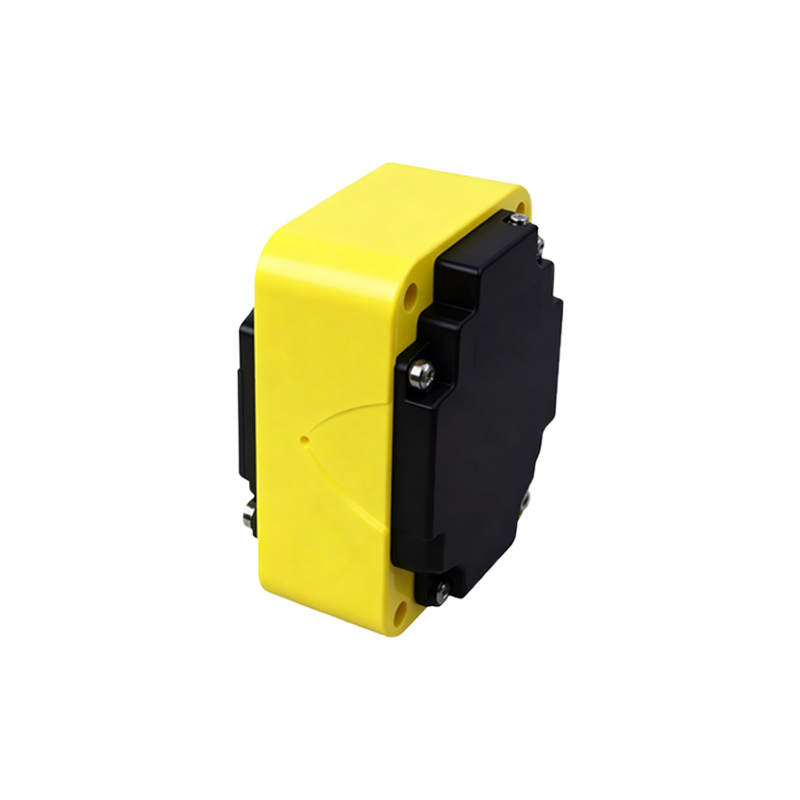
Key technical parameters demand careful consideration during selection. The sensing distance, or "Sn," must be specified with a safety margin, typically 70-80% of the nominal value, to account for mechanical tolerances, door sag, and thermal expansion. The mounting style is crucial; flush-mounted sensors can be embedded into the door frame for protection, while non-flush types offer longer ranges. The housing material, usually nickel-plated brass or stainless steel, must withstand mechanical stress, vibration, and harsh environments including temperature extremes, humidity, and occasional chemical exposure. Output configuration is another critical decision. PNP (sourcing) or NPN (sinking) transistor outputs are standard, interfacing directly with PLC digital inputs. The choice depends on the control system's architecture. Some advanced sensors offer IO-Link capability for digital parameterization and diagnostic data transmission, enabling predictive maintenance.
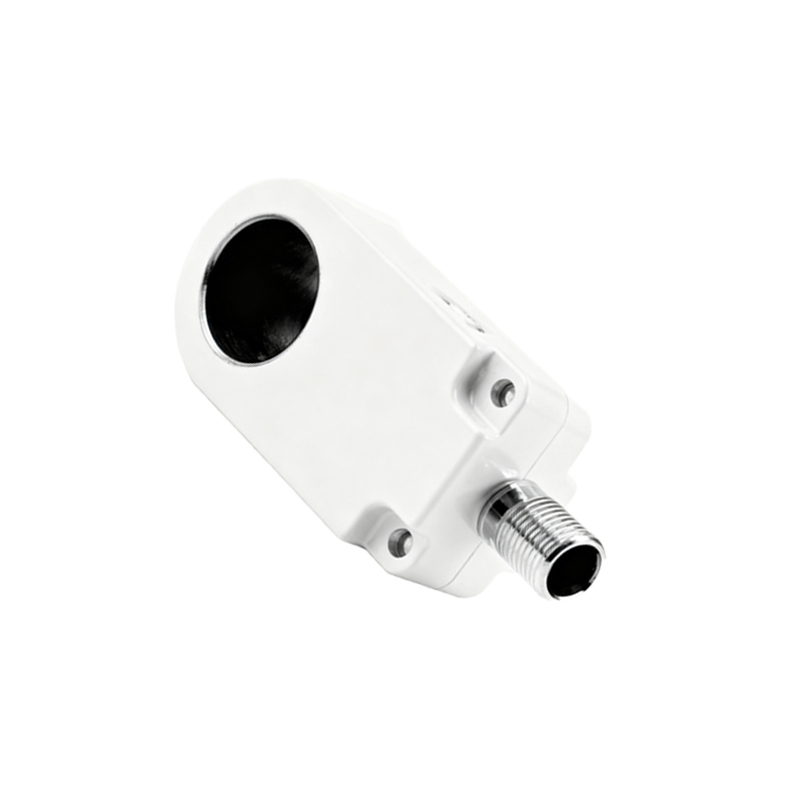
Installation and alignment are as vital as sensor selection. Misalignment is a leading cause of failure. Sensors must be mounted securely to prevent movement from vibration. The target's approach direction should be perpendicular to the sensing face for optimal performance. For inductive sensors, it is essential to ensure the target material and size meet the sensor's specifications; a target smaller than the sensing face or made of a different metal can reduce the effective sensing distance. Electrical wiring must follow EMC guidelines, with shielded cables for long runs to prevent electromagnetic interference from motor drives or power lines, which could cause false triggering. Proper grounding is non-negotiable.
Integration with the safety system is the ultimate goal. The sensor's signal is a primary input for safety loops. In safety-critical applications like train platform doors, redundant sensor configurations (e.g., two independent sensors) or a single sensor with a forcibly guided contact relay (safety relay) may be implemented to achieve a higher Safety Integrity Level (SIL) or Performance Level (PL). Diagnostics play an increasing role. Modern sensors with built-in diagnostic LEDs or IO-Link communication can report operational status, temperature warnings, and potential overload conditions, significantly reducing troubleshooting time and enhancing system availability.
In conclusion, specifying and implementing proximity sensors for shielded doors extends beyond simple presence detection. It requires a systems engineering approach that balances sensor technology, mechanical constraints, environmental challenges, and safety requirements. A deep understanding of these factors ensures the creation of a robust, reliable, and safe door control system, forming an invisible yet indispensable layer of protection in automated environments.