In the dynamic landscape of industrial automation, standard proximity sensors are fundamental components, serving as the eyes of machinery for non-contact detection of metallic and, in some cases, non-metallic objects. Their pricing is a critical consideration for engineers, procurement specialists, and system integrators aiming to balance performance, reliability, and budget. The cost of a standard proximity sensor is not a single figure but a spectrum influenced by a confluence of technical specifications, environmental factors, and market dynamics.
At the core of pricing lies the sensing technology and operating principle. Inductive proximity sensors, designed to detect ferrous and non-ferrous metals, are typically the most cost-effective entry point for metallic target applications. Their price varies based on sensing range, with longer-range models (e.g., 15mm, 20mm) commanding a premium over standard short-range versions (e.g., 2mm, 5mm). Capacitive sensors, capable of detecting a wider range of materials including liquids, plastics, and wood, generally carry a higher price tag due to their more complex circuitry and calibration requirements. Ultrasonic sensors, offering longer ranges and material versatility, sit at a higher price bracket, reflecting their sophisticated sound-wave-based technology.
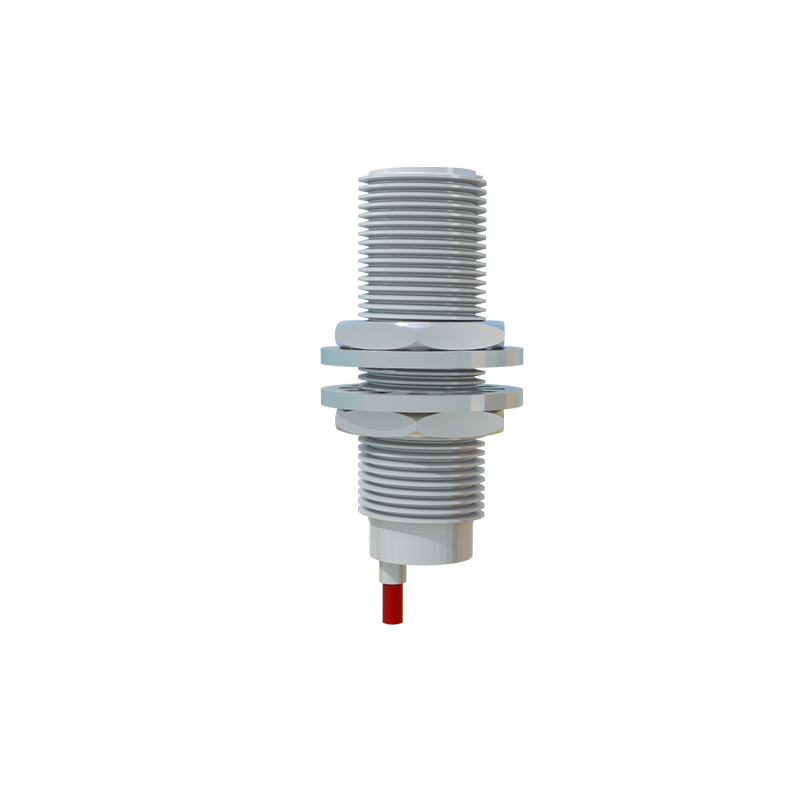
The physical design and housing material significantly impact cost. Basic cylindrical sensors in nickel-plated brass or stainless steel housings are common and relatively economical. Sensors requiring specialized housings for extreme conditions—such as high-temperature variants (capable of withstanding >100°C), washdown models with high IP ratings (IP67, IP69K), or those made from exotic materials like PEEK for chemical resistance—incur substantial additional manufacturing costs, which are passed on to the buyer. Form factor also matters; miniature sensors for space-constrained applications often have a higher cost-per-unit due to precision manufacturing.
Electrical output and connection type are direct cost drivers. Two-wire DC sensors are often less expensive than their three-wire or four-wire counterparts, which offer separate power, ground, and signal lines for better performance and compatibility. Analog output sensors (4-20mA, 0-10V) are priced higher than simple digital (PNP/NPN) switches due to the need for continuous signal conditioning. The choice of connector—integrated cable, quick-disconnect (M8, M12), or terminal block—also adds layers to the base price. Pre-wired sensors with long, shielded cables are more costly than connector versions.
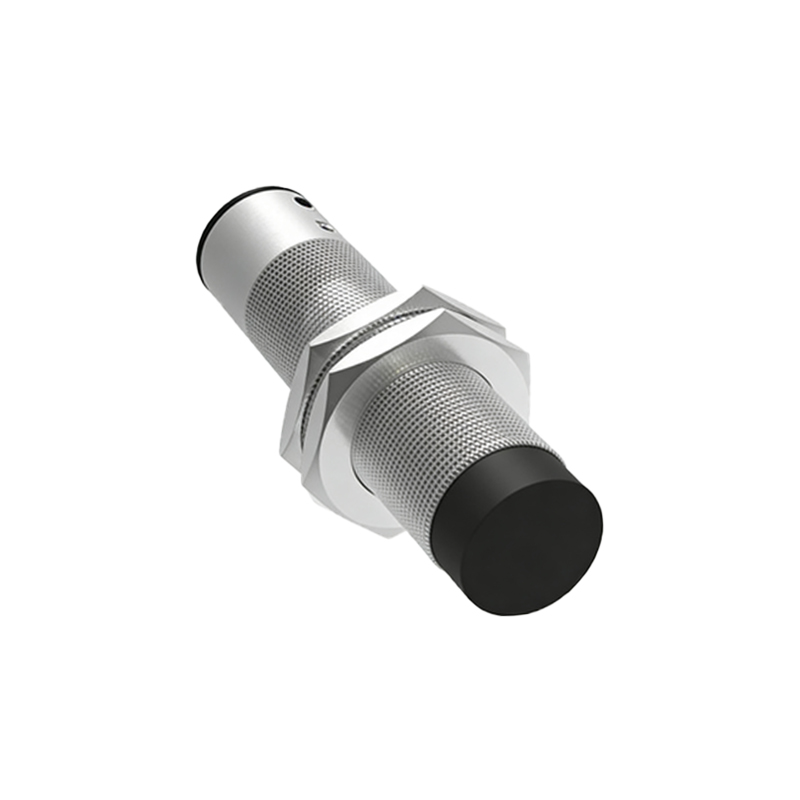
Performance characteristics such as switching frequency, repeat accuracy, and hysteresis affect the internal electronics' complexity. A sensor with a high switching speed (e.g., 5 kHz) for fast-moving assembly lines requires superior components compared to a standard 100 Hz device. Similarly, sensors with exceptional repeat accuracy (±0.5% of sensing distance) for precision positioning involve tighter manufacturing tolerances and testing.
Brand reputation, certification, and supply chain logistics play a substantial role. Established global brands (e.g., Omron, Sick, Pepperl+Fuchs, Balluff) often price their sensors higher, justified by extensive R&D, rigorous quality control, global warranty, and application support. These sensors frequently carry crucial international certifications (UL, CE, ATEX for hazardous areas), which add to development and testing costs but are non-negotiable for many industries. In contrast, generic or white-label sensors from regional suppliers may offer lower upfront costs but can pose risks regarding long-term reliability, availability, and technical support. Lead times and minimum order quantities (MOQs) can also influence the effective price, especially during global component shortages.
When evaluating cost, a Total Cost of Ownership (TCO) perspective is essential for engineers. The initial purchase price is just one element. Factors like installation time, compatibility with existing systems, mean time between failures (MTBF), and ease of replacement contribute significantly to long-term operational expenses. A marginally more expensive sensor from a reliable brand that offers plug-and-play compatibility and a 5-year lifespan often proves more economical than a cheaper alternative requiring frequent troubleshooting and replacement, leading to costly production downtime.
In today's market, standard inductive proximity sensors can range from under $20 for basic, short-range models to over $150 for specialized, long-range, or heavily ruggedized units. Capacitive and ultrasonic sensors often start at a higher baseline, from around $50 to several hundred dollars. Ultimately, specifying the correct sensor involves a careful analysis of the application requirements: target material, required sensing distance, environmental conditions (temperature, contaminants), electrical interface, and necessary certifications. By aligning these specifications precisely with project needs, engineers can make optimal procurement decisions that ensure system performance without unnecessary expenditure, understanding that in industrial automation, the right sensor is an investment in reliability, not merely an expense.
SEO描述