Photoelectric proximity sensors are indispensable components in modern industrial automation, offering non-contact detection capabilities that enhance efficiency and reliability. These sensors operate by emitting a beam of light—typically infrared, visible red, or laser—and detecting changes in the received light to identify the presence, absence, or position of an object. Unlike mechanical switches, they eliminate physical wear and tear, making them ideal for high-speed applications or environments with dust, moisture, or vibrations.
In a typical setup, a photoelectric sensor consists of an emitter and a receiver. The emitter projects light toward a target, while the receiver analyzes the reflected or transmitted light. There are three primary sensing modes: through-beam, retro-reflective, and diffuse reflective. Through-beam sensors use separate units for emitting and receiving light, providing long-range detection with high accuracy. Retro-reflective sensors employ a reflector to bounce light back to the receiver, suitable for medium distances. Diffuse reflective sensors rely on light reflecting directly off the target, offering compact designs for close-range tasks.
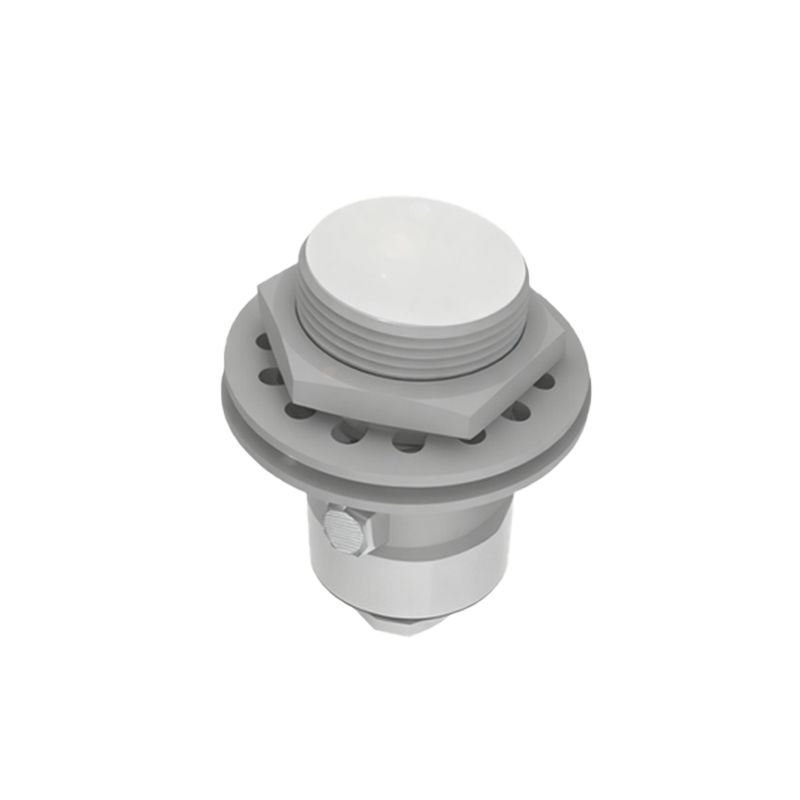
Key advantages of photoelectric sensors include their versatility and precision. They can detect a wide variety of materials, including transparent, opaque, or reflective surfaces, with response times in milliseconds. This makes them essential in packaging, material handling, assembly lines, and robotics. For instance, in conveyor systems, they ensure proper object positioning or count items without physical contact. In hazardous areas, explosion-proof variants maintain safety standards.
When selecting a photoelectric sensor, engineers must consider factors such as sensing range, environmental conditions, and output type. Sensing range depends on the mode and light source—laser-based sensors offer precise, long-range detection, while infrared models are cost-effective for general use. Environmental challenges like ambient light, fog, or dirt may require sensors with background suppression or polarized filters. Output options include digital signals (PNP/NPN) or analog outputs for distance measurement, integrating seamlessly with PLCs or controllers.
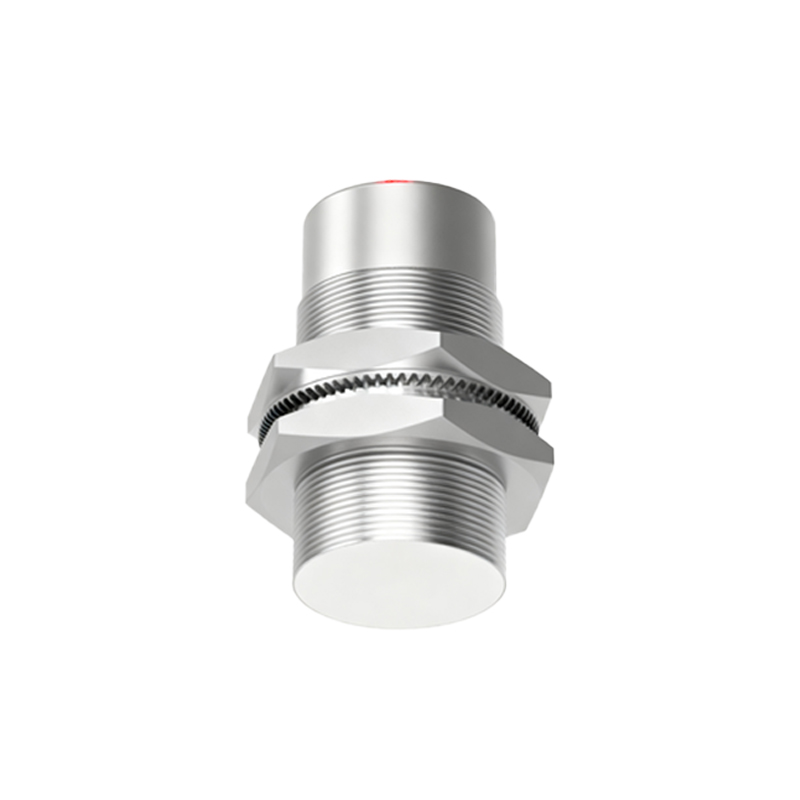
Maintenance involves regular lens cleaning and alignment checks to prevent false triggers. Modern sensors often feature IO-Link connectivity for real-time diagnostics and parameter adjustments, reducing downtime. In summary, photoelectric proximity sensors provide a robust, adaptable solution for automation needs, driving productivity across industries.