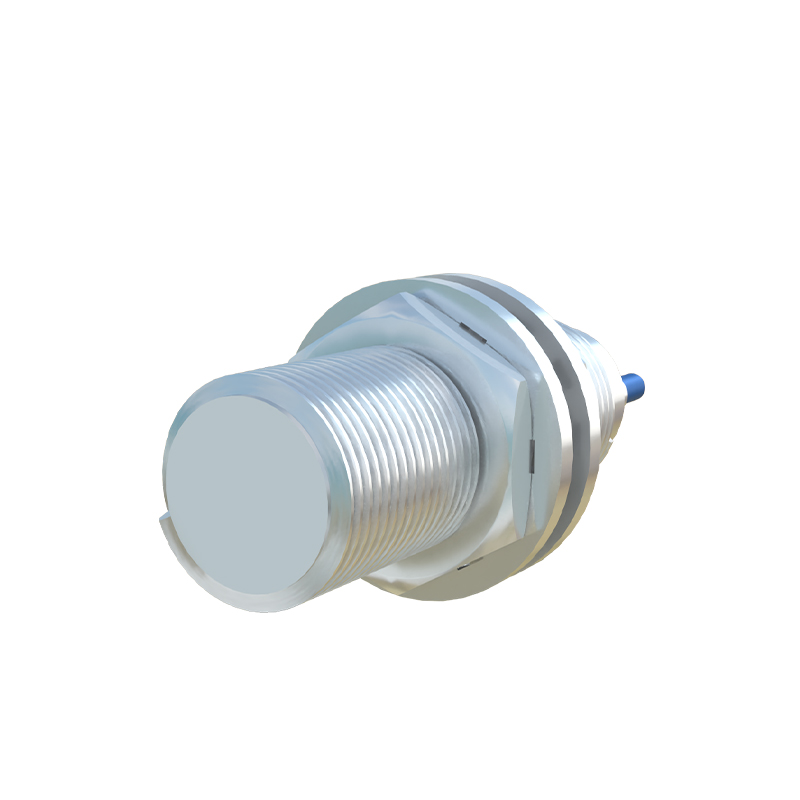
Magnetic proximity sensors are fundamental components in modern industrial automation and safety systems. Unlike other sensing technologies, they operate without physical contact, detecting the presence or absence of a magnetic field, typically generated by a permanent magnet. This non-contact principle makes them exceptionally reliable, durable, and suitable for harsh environments where dust, oil, or moisture would compromise other sensor types. Their core operation is based on the magnetoresistive effect, where the electrical resistance of certain materials changes in the presence of a magnetic field.
The most common type is the reed switch sensor. It consists of two ferromagnetic reeds sealed within a glass tube filled with an inert gas. When a magnet approaches, the reeds magnetize, attract each other, and make contact, closing an electrical circuit. While simple and cost-effective, reed switches have limitations in switching speed and mechanical life. For more demanding applications, solid-state sensors using magnetoresistive (MR) or giant magnetoresistive (GMR) elements are preferred. These semiconductor-based devices detect changes in magnetic field strength and convert them into a digital or analog output signal. They offer higher switching frequencies, greater precision, and virtually unlimited operational life as they have no moving parts.
A key advantage of magnetic proximity sensors is their insensitivity to non-ferrous materials. They will not be triggered by aluminum, brass, plastic, or wood, only by ferromagnetic targets like iron and steel, or by an applied magnet. This makes them ideal for specific positioning tasks, such as detecting whether a steel door is fully closed or if a machine guard is in place. Their sensing range is generally shorter than inductive or capacitive sensors but is perfectly suited for precise, close-range detection.
The applications for these sensors are vast and critical. In factory automation, they are ubiquitous as limit switches on linear actuators, cylinders, and robotic arms, providing end-position feedback. They are essential for rotational speed sensing, counting gear teeth or detecting passing magnets on a motor shaft. In the automotive industry, they are used for gearbox position sensing, brake pedal position, and detecting seatbelt engagement. Safety systems heavily rely on them; magnetic sensors on safety interlock doors ensure machinery cannot operate when guards are open, protecting personnel. They are also found in consumer electronics, such as laptops and tablets, to detect when a cover is closed, putting the device to sleep.
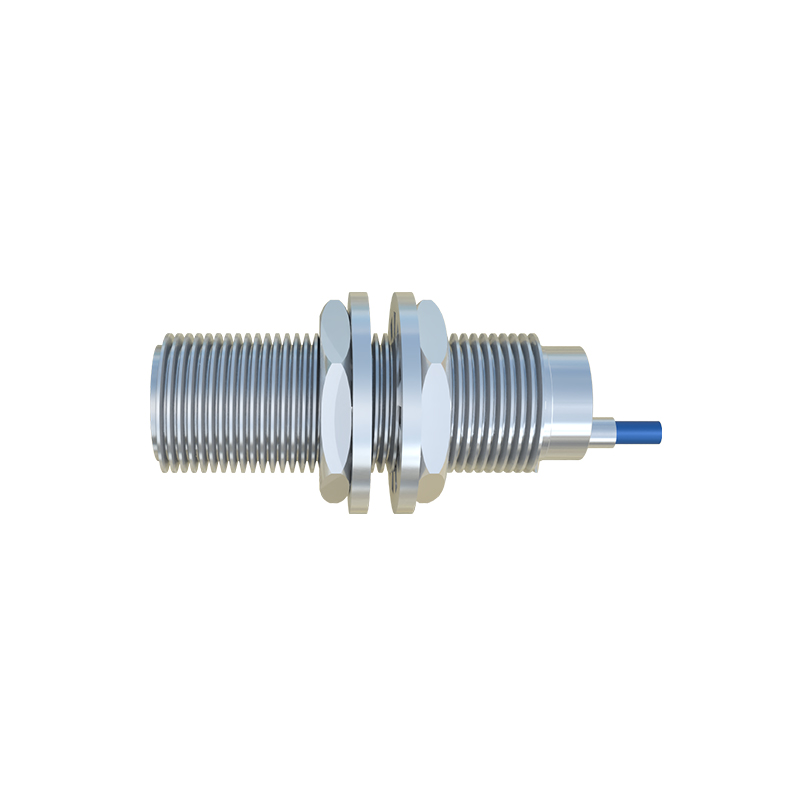
When selecting a magnetic proximity sensor, several parameters must be considered. The sensing distance, or operating point, is the critical distance at which the sensor switches. The release point is the distance where it switches back. The difference between these is the hysteresis, a built-in feature that prevents chattering when the target is near the switching threshold. The electrical output type—PNP (sourcing), NPN (sinking), or analog—must match the control system's input requirements. Environmental ratings for temperature, shock, vibration, and ingress protection (IP rating) are crucial for reliability in the intended installation environment.
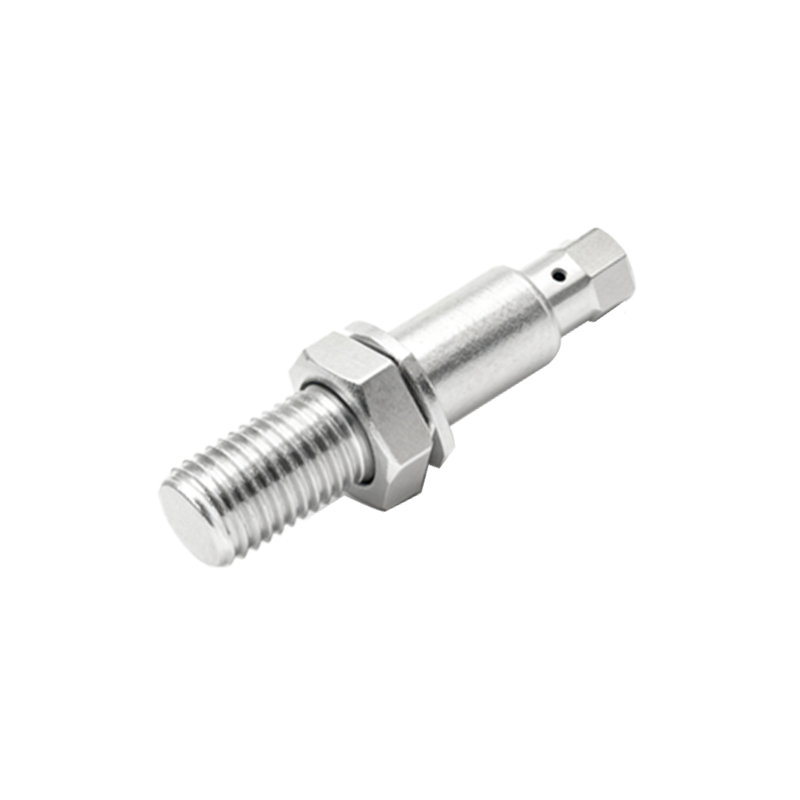
Installation and alignment are straightforward but important. The sensor and its target magnet must be correctly oriented, as the magnetic field has a specific polarity and axis. Shielding from stray magnetic fields from motors or transformers may be necessary to prevent false triggering. Compared to inductive sensors, magnetic variants excel in applications involving non-metallic barriers; they can detect a magnet through walls of plastic, aluminum, or stainless steel, enabling completely sealed and hygienic designs for food and pharmaceutical processing.
In summary, magnetic proximity sensors offer a robust, contactless solution for position and presence detection where reliability is paramount. Their principle of operation, leveraging the fundamental properties of magnetism, provides distinct advantages in dirty, wet, or demanding mechanical environments. From ensuring the smooth operation of a high-speed packaging line to guaranteeing the safety of an operator at a press brake, these unassuming devices play a silent yet vital role in the interconnected world of industrial control and beyond. Their continued evolution with solid-state technology promises even greater integration, intelligence, and precision for the automated systems of the future.