Speed measurement is a critical parameter in numerous industrial and technological applications, ranging from automotive systems and manufacturing automation to consumer electronics and robotics. Among the various techniques available, the use of proximity sensors for speed detection offers a reliable, non-contact, and often cost-effective solution. This method leverages the fundamental ability of proximity sensors to detect the presence or absence of a target object without physical contact, translating this detection into precise speed calculations.
The core principle behind speed measurement using a proximity sensor is based on time and distance. A proximity sensor, which can be inductive, capacitive, photoelectric, or ultrasonic, is positioned at a fixed point relative to a moving object. This object must have a detectable feature, such as a metallic tooth on a gear, a reflective mark on a shaft, or simply its leading edge. As the object moves, each detectable feature passes the sensor. The sensor generates a discrete electrical signal—typically a pulse—for each detection event. By accurately measuring the time interval between successive pulses and knowing the fixed distance between the detectable features on the moving object, the linear or rotational speed can be calculated using the basic formula: Speed = Distance / Time.
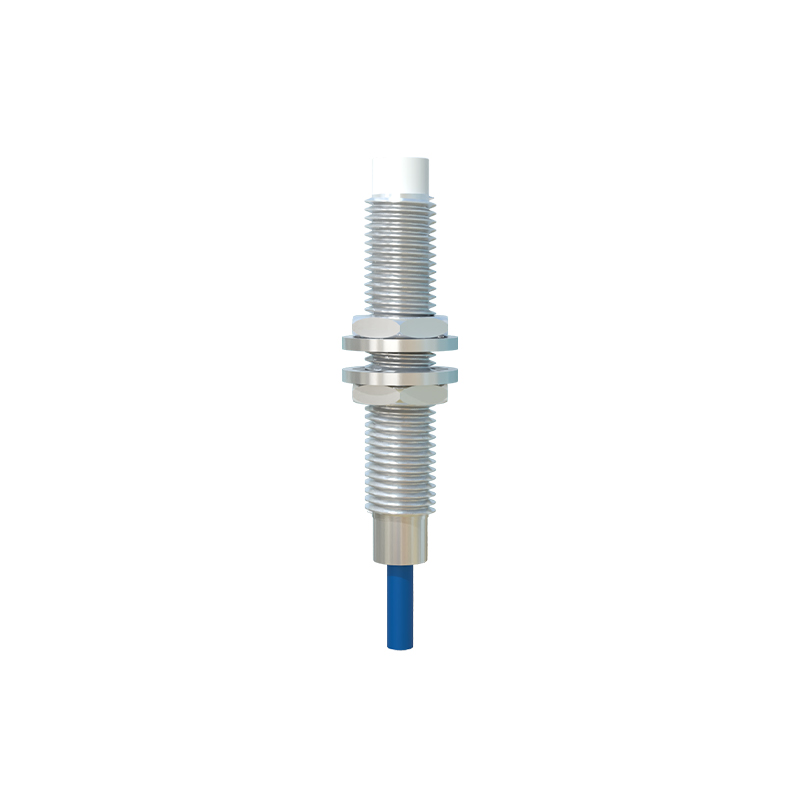
For rotational speed measurement, such as monitoring the RPM (Revolutions Per Minute) of a motor shaft, a common setup involves attaching a gear or a disk with evenly spaced teeth or holes to the rotating shaft. An inductive proximity sensor is often used for metallic targets. Each time a tooth passes the sensor, it induces a change in the sensor's electromagnetic field, producing a pulse. If the disk has 'N' teeth, the sensor will generate N pulses per complete revolution. By counting the number of pulses received in a specific time window, the rotational speed is easily derived. For instance, if a 60-tooth gear is used and 300 pulses are counted in one second, the shaft speed is (300 pulses / 60 teeth per revolution) = 5 revolutions per second, or 300 RPM.
Linear speed measurement follows a similar logic. For example, to measure the speed of a conveyor belt, reflective marks can be placed at a known, consistent interval along the belt's surface. A photoelectric proximity sensor then detects each mark. The time between detections of two consecutive marks directly yields the belt's speed. This method is invaluable in packaging lines, material handling, and assembly systems where consistent linear motion is crucial.
The advantages of using proximity sensors for speed measurement are significant. Their non-contact nature eliminates mechanical wear and tear, ensuring long-term reliability and minimal maintenance. They are generally immune to environmental factors like dust, oil, or vibration, especially when appropriately selected (e.g., inductive sensors in dirty industrial environments). They provide fast response times, enabling the measurement of very high speeds. Furthermore, the digital pulse output is straightforward to interface with microcontrollers, Programmable Logic Controllers (PLCs), or dedicated tachometer circuits for processing, display, and control integration.
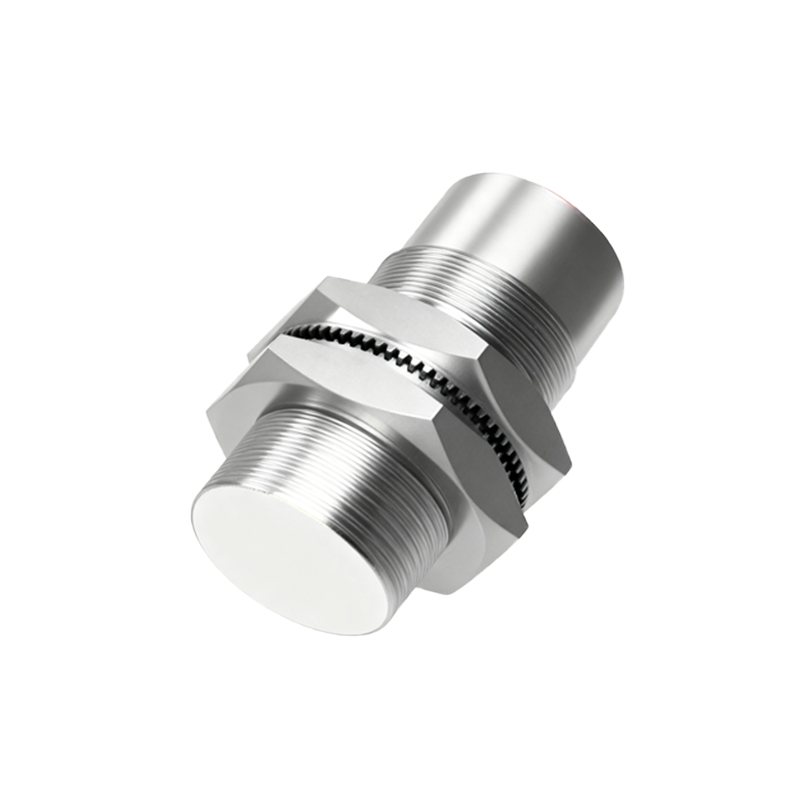
However, several practical considerations are essential for accurate measurements. The first is the sensor's switching frequency or response time, which must be high enough to handle the maximum expected pulse rate from the target. The second is the mounting distance and alignment; the sensor must be positioned within its specified sensing range for consistent and reliable triggering. The third is the target itself; its size, material, and the spacing between features must be compatible with the sensor type and precise enough for the desired speed resolution. Irregular spacing or missed detections will lead to measurement errors.
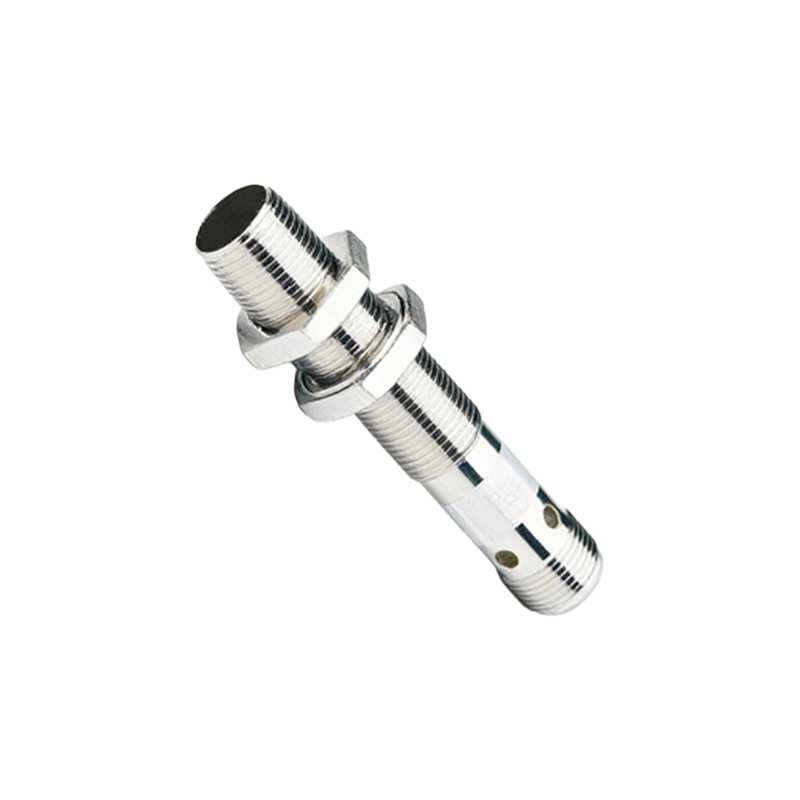
Applications are widespread across industries. In the automotive sector, proximity sensors measure wheel speed for Anti-lock Braking Systems (ABS) and transmission shaft speeds. In industrial automation, they monitor motor and fan speeds for condition monitoring and process control. In aerospace, they are used in turbine engines. Even in everyday appliances like washing machines, they can monitor drum speed.
In conclusion, proximity sensor-based speed measurement is a robust and versatile methodology. Its effectiveness hinges on a clear understanding of the sensor's operating principle, careful selection of sensor and target characteristics, and precise setup. When implemented correctly, it provides a highly accurate and reliable means of monitoring speed, forming a fundamental feedback component in countless mechanical and electronic systems, ensuring efficiency, safety, and optimal performance.