In the world of automation and smart technology, sensors play a crucial role in detecting objects, measuring distances, and enabling precise control. Among these, dual proximity sensors stand out as a sophisticated solution for applications requiring high reliability and accuracy. But what exactly are dual proximity sensors, and how do they differ from their single counterparts?
Dual proximity sensors, as the name suggests, incorporate two sensing elements within a single housing. These elements work in tandem to provide enhanced detection capabilities, often through redundancy or complementary functions. The primary purpose of this design is to improve system reliability—if one sensor fails or provides an inconsistent reading, the other can serve as a backup, ensuring continuous operation. This is particularly vital in industrial settings where downtime can lead to significant financial losses or safety hazards.
The operation of dual proximity sensors varies based on their underlying technology. Common types include inductive, capacitive, and optical sensors. Inductive dual proximity sensors, for instance, use electromagnetic fields to detect metallic objects. With two sensing coils, they can offer differential sensing—measuring the presence or absence of an object by comparing signals from both coils. This allows for finer detection thresholds and reduced false triggers from environmental interference like temperature fluctuations or electromagnetic noise. Capacitive dual sensors, on the other hand, detect both metallic and non-metallic materials by measuring changes in capacitance, making them suitable for liquid level sensing or material handling. Optical dual sensors combine two light-based elements, such as LEDs and photodetectors, to sense objects through light reflection or beam interruption, often used in packaging or assembly lines.
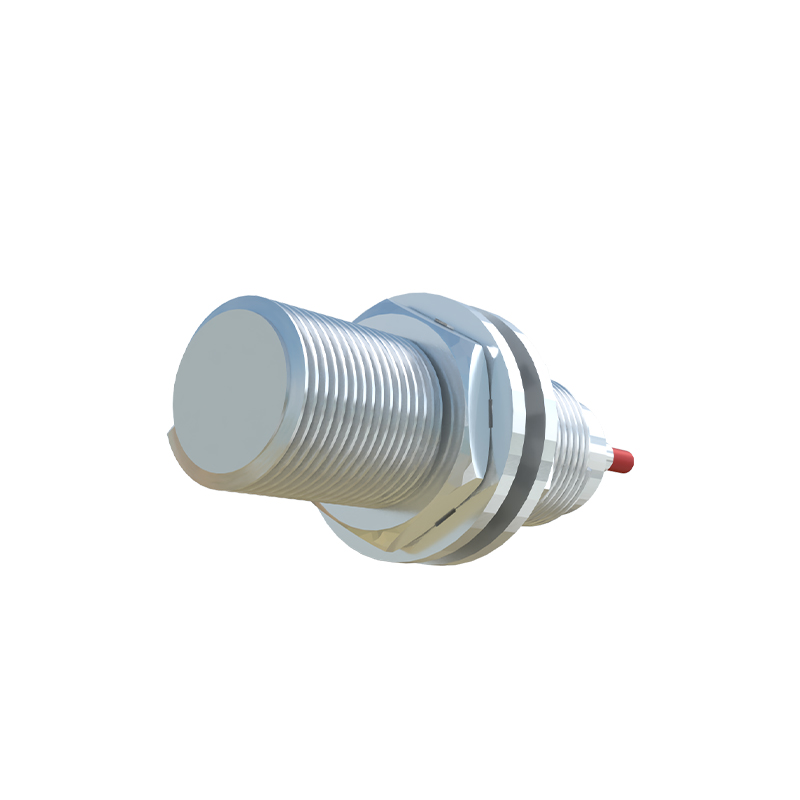
One key advantage of dual proximity sensors is their ability to perform differential measurements. By comparing the outputs of the two sensing elements, these sensors can filter out common-mode noise—unwanted signals that affect both elements equally, such as vibration or electrical interference. This results in a cleaner, more stable signal, enhancing the precision of object detection. Additionally, dual sensors can be configured for diverse functions, like detecting an object’s position from two angles or monitoring two separate parameters simultaneously, such as distance and speed.
Applications of dual proximity sensors span numerous industries. In automotive manufacturing, they ensure precise alignment of components on assembly lines, reducing errors in robotic welding or part installation. In the food and beverage sector, capacitive dual sensors monitor fill levels in containers, preventing overflows or shortages. Logistics and warehousing benefit from optical dual sensors in conveyor systems, where they track package movement and sort items efficiently. Moreover, in safety-critical environments like machinery guarding, dual sensors provide redundancy to immediately halt equipment if an obstruction is detected, protecting workers from accidents.
When selecting a dual proximity sensor, factors like sensing range, response time, environmental durability, and output type (e.g., digital or analog) must be considered. For harsh conditions—such as extreme temperatures, moisture, or dust—sensors with robust enclosures (e.g., IP67-rated) are essential. Integration with control systems, like PLCs (Programmable Logic Controllers), also requires compatibility with standard interfaces (e.g., PNP/NPN outputs). Regular maintenance, including calibration and cleaning, helps sustain performance over time.
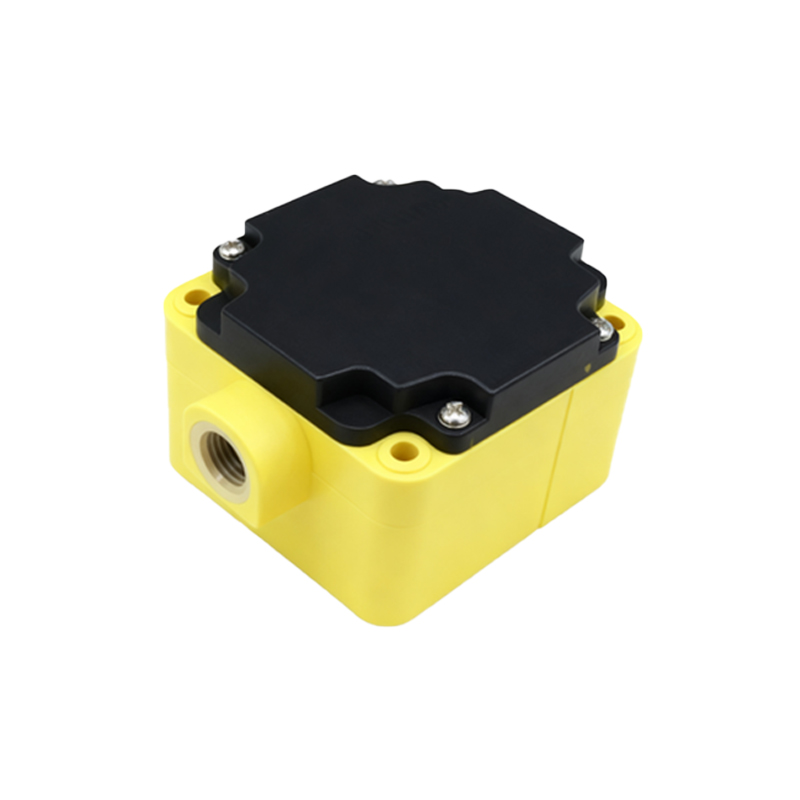
In summary, dual proximity sensors offer a reliable, accurate solution for modern automation challenges. By leveraging dual sensing elements, they enhance detection consistency, reduce downtime, and improve safety across various applications. As industries continue to embrace smart manufacturing and IoT (Internet of Things) connectivity, the demand for advanced sensor technologies like these is poised to grow, driving innovation in efficiency and operational intelligence.