In modern industrial automation, logistics, and smart infrastructure projects, the deployment of large-scale proximity sensor networks represents a significant capital investment. The cost of these systems is influenced by a multifaceted array of factors extending far beyond the simple per-unit price of individual sensors. A comprehensive understanding of these variables is crucial for accurate budgeting, system design, and achieving the desired return on investment.
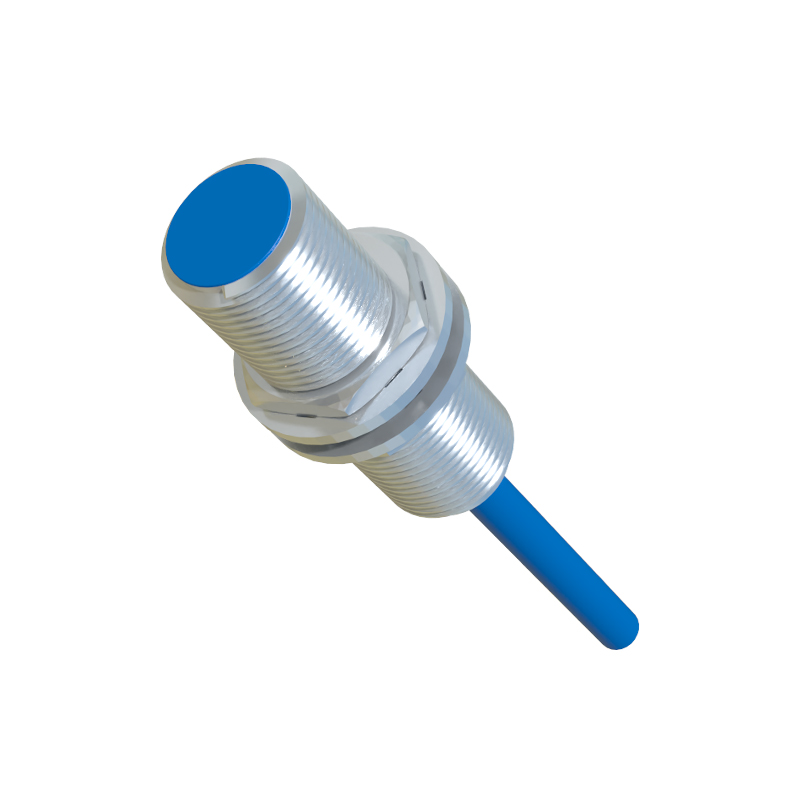
The primary cost driver is, naturally, the sensor technology itself. Inductive, capacitive, ultrasonic, and photoelectric sensors each occupy different price points dictated by their sensing principles, materials, and manufacturing complexity. For instance, high-precision analog or IO-Link enabled inductive sensors designed for precise position detection in harsh environments command a premium compared to standard binary-output models. The required sensing range, repeatability, housing material (e.g., stainless steel for washdown areas), and protection rating (IP67/IP69K) directly impact the unit cost. In a large-scale deployment involving thousands of points, even a minor per-unit cost differential aggregates into a substantial sum.
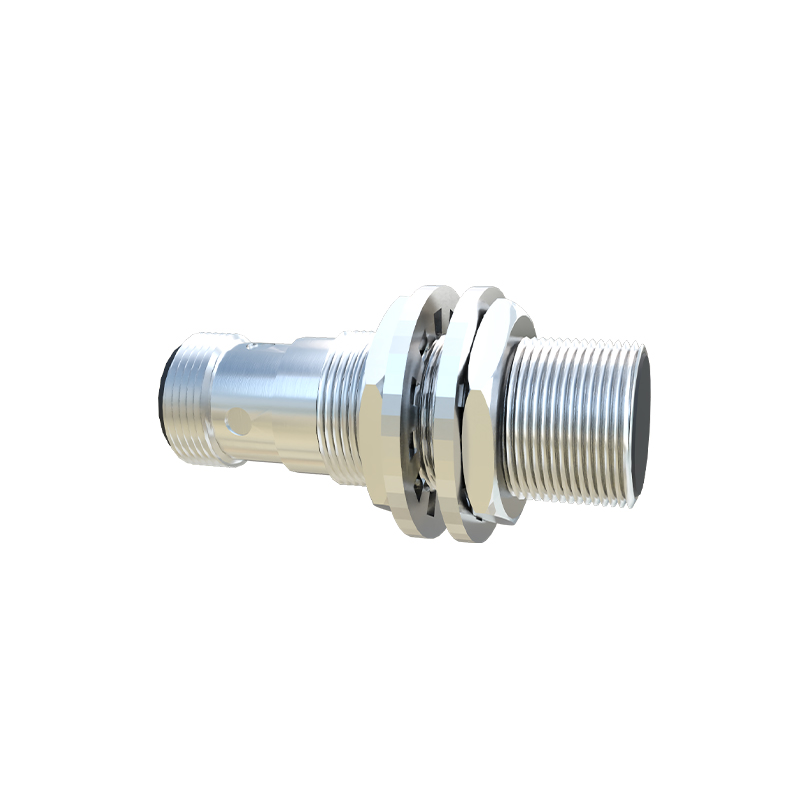
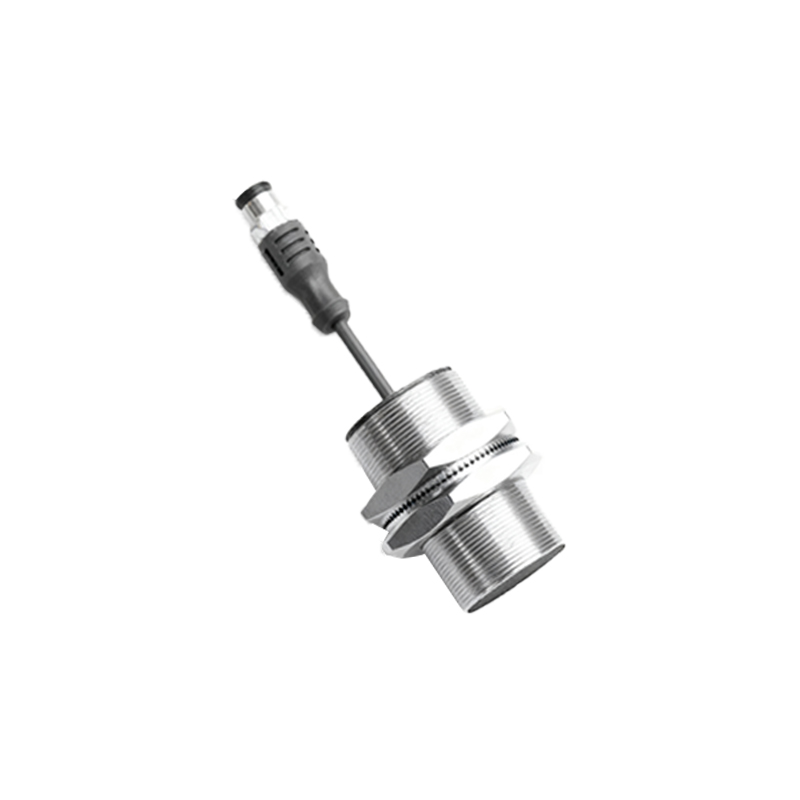
However, focusing solely on sensor procurement is a critical oversight. The total cost of ownership (TCO) encompasses several other major categories. Installation and wiring constitute a massive, often underestimated, expense. The cost of cables, conduits, connectors, and the labor hours for routing and terminating thousands of sensor connections can rival or even exceed the hardware cost. This is where advanced networking architectures show their value. Deploying sensors on industrial Ethernet (e.g., PROFINET, EtherNet/IP) or AS-Interface networks, using modular junction boxes and pre-assembled cable harnesses, can dramatically reduce wiring time, material use, and future maintenance costs, despite a higher initial outlay for networked devices and infrastructure components like switches and gateways.
System integration and software configuration form another significant cost layer. Programming PLCs or controllers to interpret sensor signals, implementing diagnostic routines, and integrating data into SCADA or MES systems requires specialized engineering labor. Sensors with advanced diagnostics and parameterization capabilities can simplify this process, potentially lowering software development and commissioning time. Furthermore, lifecycle costs must be factored in. This includes planned maintenance, calibration, potential downtime due to sensor failure, and the cost of spare parts inventory. High-reliability sensors with long MTBF (Mean Time Between Failures) ratings and easy replacement features can mitigate these long-term operational expenses.
The scale of deployment introduces economies of scale in procurement but also complexities in logistics and project management. Bulk purchasing can secure volume discounts from manufacturers or distributors. However, managing the supply chain for thousands of units, ensuring version consistency, and handling staging and kitting require dedicated resources. The application's criticality also affects cost decisions. In safety-critical systems (e.g., robotic cell guarding), using certified, high-integrity sensors is non-negotiable and carries a higher price tag compared to sensors used for non-critical process monitoring.
Finally, the choice between standardized, off-the-shelf sensors and custom-designed solutions is pivotal. While custom sensors can perfectly fit a unique mechanical or electrical requirement, their development, tooling, and certification costs are prohibitive for most projects and are only justifiable in extremely high-volume or niche applications. Leverating standard products, even if requiring minor adaptation in mounting, typically offers the best balance of performance, availability, and cost.
In conclusion, budgeting for a large-scale proximity sensor system demands a holistic TCO analysis. Decision-makers must evaluate not just the purchase order total, but also the costs of installation, networking, integration, maintenance, and operational risk. Strategic investments in smarter, networked sensors and efficient installation methodologies often yield a lower TCO over the system's lifespan, ensuring both functional performance and financial efficiency for the automation investment.