In the rapidly evolving landscape of industrial automation, the integration of laser technology and specialized sensors like the 3310 series has become a cornerstone for precision, efficiency, and reliability. Lasers, with their coherent and monochromatic light properties, offer unparalleled accuracy in measurement, alignment, and material processing applications. When paired with advanced sensors such as the 3310 model—known for its high sensitivity, robust design, and adaptability—these systems form a synergistic duo that drives innovation across manufacturing, quality control, and robotics.
The 3310 sensor, often utilized for displacement, vibration, or proximity sensing, excels in environments where minute changes must be detected with minimal error. Its design typically incorporates features like immunity to electromagnetic interference, wide operating temperature ranges, and fast response times, making it ideal for harsh industrial settings. For instance, in automotive assembly lines, 3310 sensors can monitor the position of components with micron-level precision, while lasers simultaneously perform non-contact inspections or weld seams with exacting standards. This combination reduces downtime, enhances product consistency, and lowers operational costs by automating tasks that were once manual and error-prone.
From a technical perspective, lasers used in conjunction with 3310 sensors operate on principles such as triangulation, time-of-flight, or interferometry. In a triangulation setup, a laser beam is projected onto a target surface, and the 3310 sensor captures the reflected light at an angle to calculate distance or profile variations. This method is common in 3D scanning and surface defect detection, where even sub-micron deviations can indicate potential failures. The sensor's output—often analog or digital signals—feeds into programmable logic controllers (PLCs) or industrial PCs, enabling real-time adjustments in automated processes.
Moreover, the advent of Industry 4.0 has amplified the role of these technologies. Smart factories leverage laser-3310 sensor systems for predictive maintenance, where continuous monitoring of machinery vibrations or alignments can forecast wear before breakdowns occur. Data from sensors are analyzed via cloud platforms or edge computing, facilitating proactive interventions and optimizing supply chains. In robotics, lasers guide autonomous vehicles or robotic arms with path-planning accuracy, while 3310 sensors provide feedback on grip force or object detection, ensuring safe and efficient human-machine collaboration.
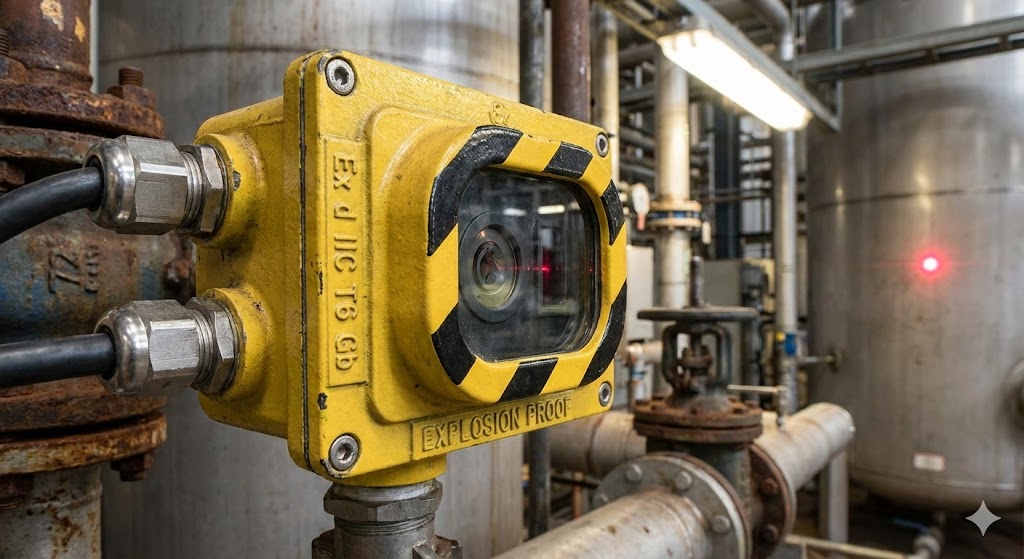
Despite their advantages, challenges persist, such as calibration complexities, environmental factors like dust or humidity affecting laser beams, and the need for regular maintenance of sensor components. However, ongoing research in fiber lasers, miniaturized sensor designs, and AI-driven analytics is addressing these hurdles, paving the way for more resilient and intelligent systems.

In conclusion, the fusion of laser technology and 3310 sensors represents a critical advancement in industrial automation. By enabling precise, non-contact measurements and adaptive control, they empower industries to achieve higher productivity, quality, and sustainability. As technology progresses, their applications will likely expand into emerging fields like renewable energy infrastructure and biomedical device manufacturing, solidifying their status as indispensable tools in the modern engineer's toolkit.
