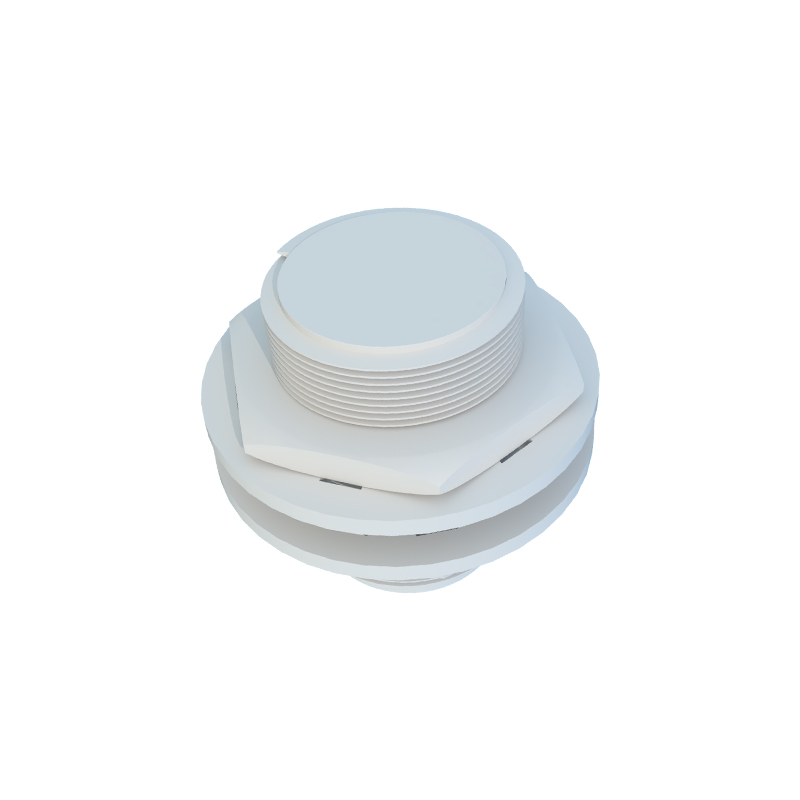
In the realm of industrial automation, proximity switches are indispensable components that enable non-contact detection of objects, ensuring precise control, safety, and efficiency in various applications. These devices operate by sensing the presence or absence of a target without physical contact, thereby minimizing wear and tear and enhancing reliability. The core of a proximity switch lies in its sensor technology, which determines its detection capabilities, range, and suitability for specific environments. This article delves into the primary sensor types used in proximity switches, highlighting their principles, advantages, and typical use cases.
One of the most common sensor types is the inductive proximity sensor. It functions based on electromagnetic induction, generating an oscillating magnetic field. When a metallic object enters this field, eddy currents are induced in the target, causing a change in the sensor's oscillation amplitude. This alteration is detected and converted into an output signal, triggering the switch. Inductive sensors are highly effective for detecting ferrous and non-ferrous metals, offering robust performance in harsh conditions with resistance to dust, moisture, and vibrations. They are widely employed in manufacturing lines, robotics, and automotive assembly for tasks like part counting, position sensing, and machine guarding. Typical sensing ranges vary from a few millimeters to several centimeters, depending on the sensor size and target material.
Capacitive proximity sensors represent another key category, operating on the principle of capacitance change. These sensors generate an electrostatic field and detect variations in capacitance when an object—whether conductive or non-conductive—approaches the sensing area. The sensor's circuitry measures the capacitance shift and activates the output accordingly. Capacitive sensors are versatile, capable of detecting materials such as plastics, glass, liquids, and wood, in addition to metals. This makes them ideal for applications like level detection in tanks, packaging systems, and material handling, where diverse substances need monitoring. They are also used in humid or dirty environments, though they may require calibration to avoid false triggers from non-target materials.
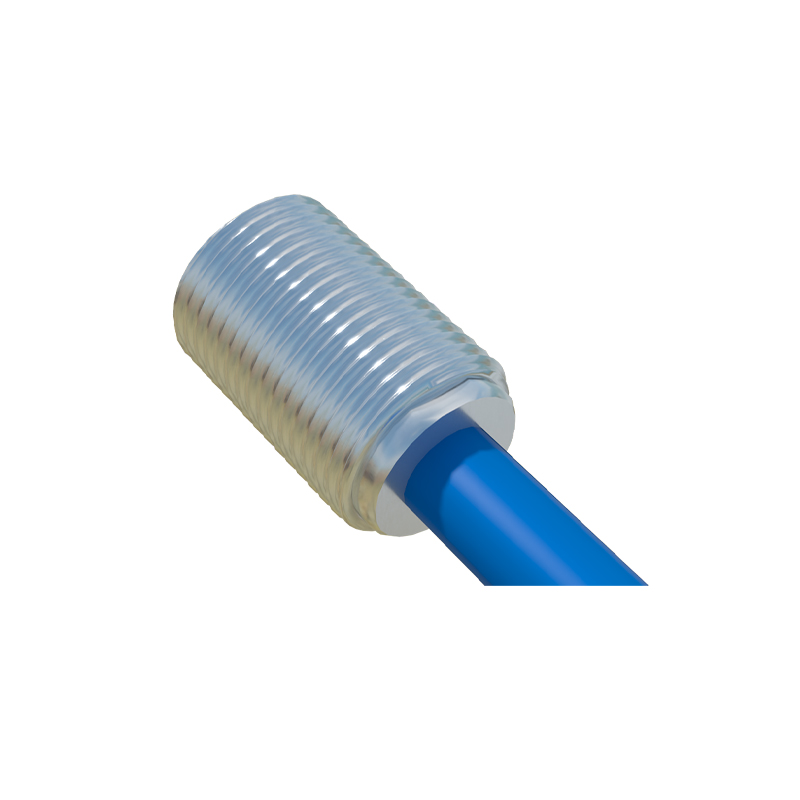
Ultrasonic proximity sensors utilize sound waves for detection, emitting high-frequency ultrasonic pulses and measuring the time taken for echoes to return after reflecting off an object. By calculating the time-of-flight, these sensors determine the distance to the target with high accuracy. They excel in detecting objects regardless of color, transparency, or material composition, making them suitable for complex scenarios. Common applications include distance measurement, object profiling, and liquid level control in industries like logistics, agriculture, and food processing. Ultrasonic sensors can operate over longer ranges compared to inductive or capacitive types, often spanning from centimeters to meters, but they may be affected by temperature fluctuations or acoustic interference.
Magnetic proximity sensors, also known as reed switches or Hall effect sensors, rely on magnetic fields for operation. Reed switches consist of ferromagnetic reeds that close or open when a magnet approaches, while Hall effect sensors detect changes in magnetic field strength using semiconductor elements. These sensors are particularly effective for detecting permanent magnets or magnetized objects, offering high precision and low power consumption. They are commonly used in safety systems, door position sensing, and automotive applications (e.g., speed detection). Magnetic sensors are immune to environmental factors like dirt or light, but their range is typically limited to short distances, often within a few millimeters.
Photoelectric proximity sensors employ light beams—usually infrared, visible, or laser—to detect objects. They consist of an emitter and a receiver; when an object interrupts or reflects the light beam, the receiver senses the change and triggers the switch. Photoelectric sensors come in various configurations, such as through-beam, retro-reflective, and diffuse reflective modes, each suited for different detection needs. They offer long sensing ranges, fast response times, and the ability to detect small or transparent objects. Industries like packaging, pharmaceuticals, and electronics rely on them for tasks including object counting, edge detection, and conveyor belt monitoring. However, they can be sensitive to ambient light, dust, or color variations, requiring proper shielding and alignment.
In summary, proximity switches integrate diverse sensor technologies to meet the demands of modern industrial automation. Inductive sensors excel with metals in rugged settings, capacitive sensors handle varied materials, ultrasonic sensors provide accurate distance measurement, magnetic sensors offer reliable magnetic detection, and photoelectric sensors deliver versatility with light-based sensing. Selecting the appropriate sensor type depends on factors such as target material, environmental conditions, required range, and application specificity. As automation evolves, advancements in sensor design continue to enhance performance, enabling smarter and more efficient systems across sectors from manufacturing to energy management. Understanding these sensor options empowers engineers to optimize processes, reduce downtime, and drive innovation in the ever-evolving landscape of industrial technology.