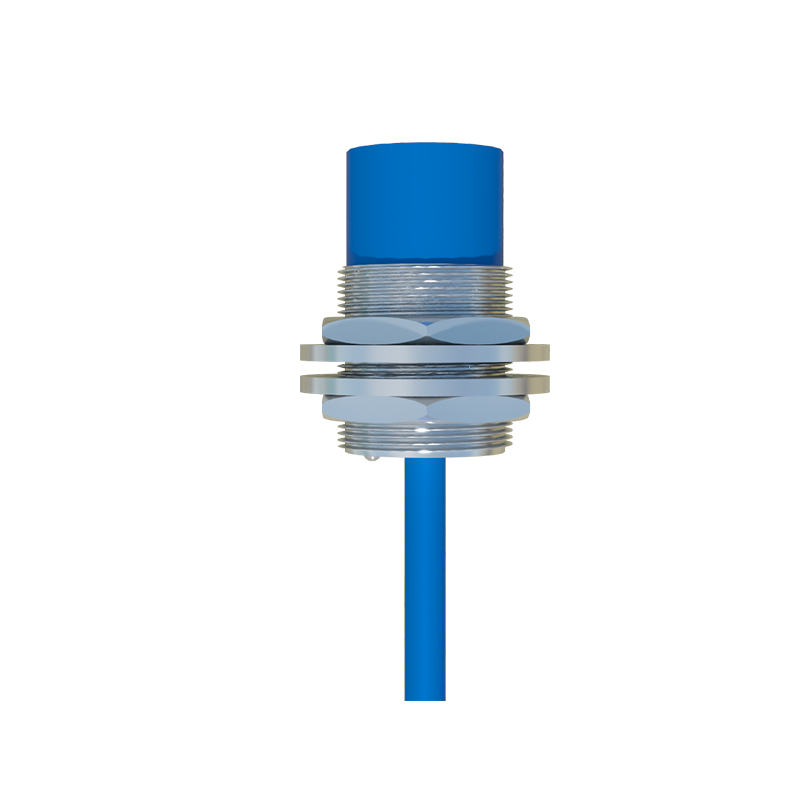
In today's interconnected world, the ability to detect the presence, absence, or position of an object without physical contact is fundamental. This capability is powered by proximity and distance sensors, two closely related yet distinct categories of sensing technology. These electronic components are the silent workhorses embedded in countless devices and systems, enabling automation, enhancing safety, and creating intuitive user interfaces across industries.
Proximity sensors are designed to detect the presence or absence of a nearby object within a defined, typically short, range. Their primary function is a binary one: "object present" or "object absent." They achieve this through various physical principles. Inductive proximity sensors, for instance, generate an electromagnetic field and detect changes caused by metallic objects. They are robust, reliable, and ubiquitous in industrial automation for tasks like counting metal parts on a conveyor or confirming a robotic arm's position. Capacitive sensors, on the other hand, can detect both metallic and non-metallic materials, including liquids and plastics, by sensing changes in capacitance. This makes them ideal for level detection in tanks or touch-sensitive interfaces. Another common type is the photoelectric sensor, which uses a light beam (often infrared) and a receiver; an object is detected when it interrupts or reflects this beam. These are perfect for detecting objects on packaging lines or ensuring safety doors are closed.
Distance sensors, often called ranging sensors, take this a step further. They don't just confirm presence; they measure the exact distance to a target object, providing continuous, analog data. This quantitative measurement opens a wider array of applications. Ultrasonic sensors are a popular choice, operating by emitting sound waves and calculating distance based on the time it takes for the echo to return. They are effective for medium-range measurements and are unaffected by color or light conditions, commonly used in parking assist systems and tank level monitoring. Infrared (IR) time-of-flight sensors work on a similar principle but with light pulses, offering good accuracy for shorter ranges. The technology that has seen explosive growth in recent years is the laser-based sensor, particularly LiDAR (Light Detection and Ranging). LiDAR uses laser pulses to create high-resolution, three-dimensional maps of environments, becoming crucial for autonomous vehicles, robotics, and topographic surveying.
The line between proximity and distance sensing can sometimes blur. Many modern sensors integrate both capabilities. For example, a sensor might act as a proximity switch to wake up a device and then precisely measure distance for a specific function. The choice between a simple proximity sensor and a precise distance sensor hinges entirely on the application's requirements: Is a simple on/off signal sufficient, or is precise, continuous measurement necessary?
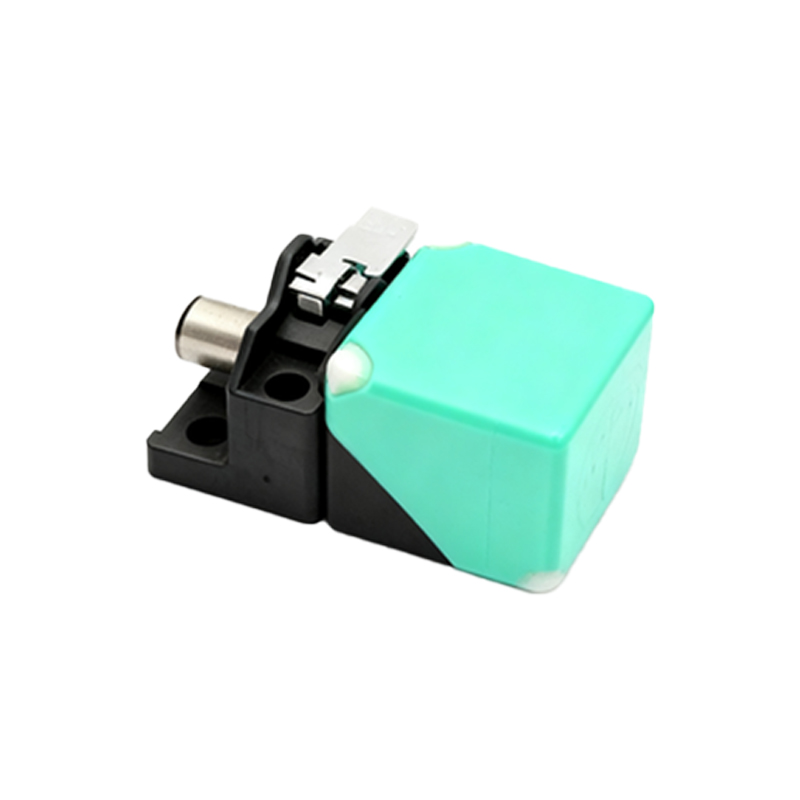
The applications of these sensors are vast and continually expanding. In consumer electronics, a proximity sensor in a smartphone turns off the display during a call to prevent accidental touches, while time-of-flight sensors enable portrait mode photography and augmented reality features. In automotive systems, they form the backbone of advanced driver-assistance systems (ADAS), enabling blind-spot detection, automatic emergency braking, and adaptive cruise control. Industrial manufacturing relies on them for precise positioning, quality control, and safeguarding machinery with safety light curtains. In the realm of smart buildings, they enable touchless faucets, automatic doors, and occupancy-based lighting and climate control, promoting both hygiene and energy efficiency.
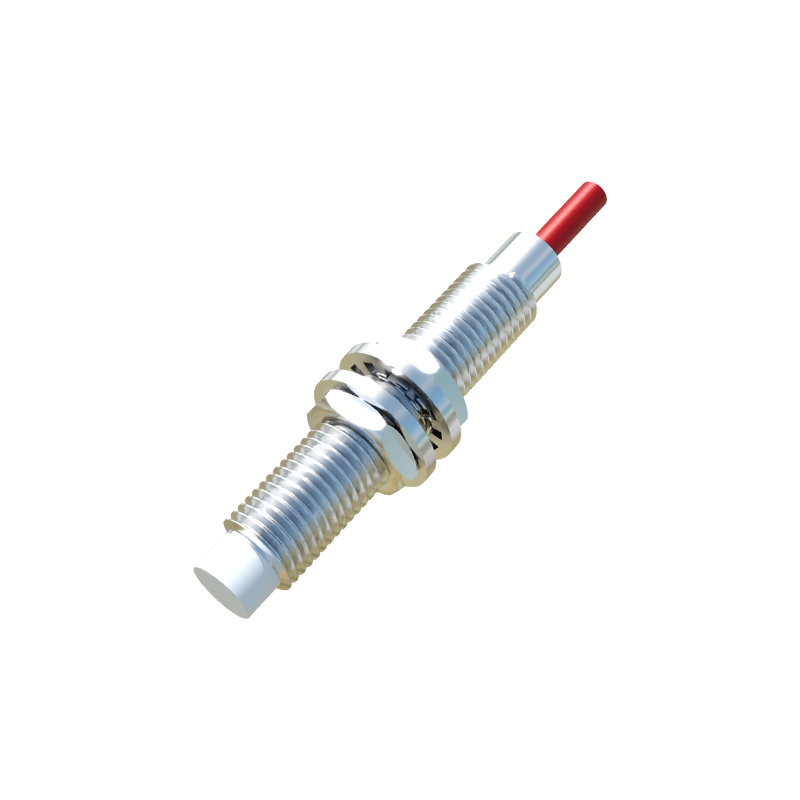
When selecting a sensor, engineers must consider several key parameters beyond just the sensing principle. Range is the maximum distance at which the sensor can reliably detect or measure. Repeatability refers to the sensor's ability to consistently provide the same output under identical conditions. The target material's properties—whether it's metal, plastic, transparent, or liquid—will dictate the suitable sensor type. Environmental factors like ambient light, dust, moisture, and temperature extremes also play a critical role in the selection process. A sensor perfect for a clean laboratory might fail in a dusty warehouse or an outdoor setting.
Looking ahead, the evolution of proximity and distance sensing is geared towards greater miniaturization, enhanced intelligence, and lower power consumption. The integration of sensor fusion—combining data from multiple sensor types like cameras, LiDAR, and radar—is creating more robust and context-aware systems, especially for autonomous machines. Furthermore, the development of solid-state LiDAR and advanced millimeter-wave radar promises more compact and affordable solutions for mass-market applications.
In conclusion, proximity and distance sensors are indispensable components of modern technology. From the simple act of turning on a faucet to the complex navigation of a self-driving car, these devices provide the essential data about the physical world that allows machines and systems to interact with it intelligently and autonomously. Their continued advancement will be a key driver in the next wave of automation, robotics, and smart technology, making our tools more responsive, our environments more adaptive, and our interactions with technology more seamless.