In the rapidly evolving landscape of industrial automation and consumer electronics, the demand for reliable sensing technology has never been higher. Among the various components, proximity sensors play a pivotal role in detecting the presence or absence of an object within a specific range without physical contact. While high-end models with advanced features dominate discussions, a significant market exists for low-cost proximity sensors that deliver essential functionality without breaking the bank. These affordable solutions are democratizing automation, making it accessible to small businesses, hobbyists, and educational institutions.
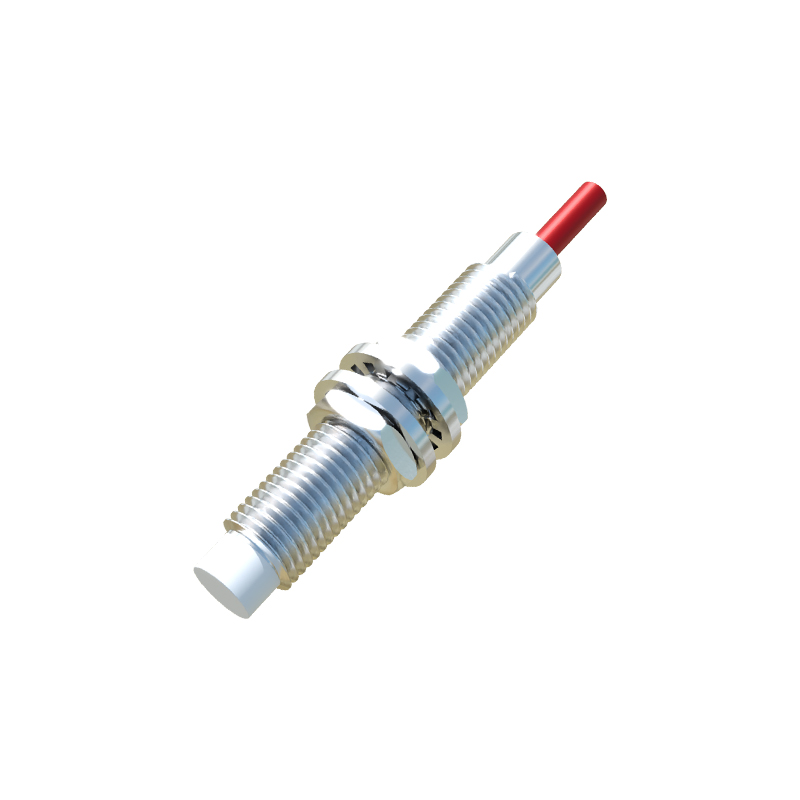
The primary driver behind the availability of low-priced proximity sensors is advancements in manufacturing and material science. Economies of scale, particularly in regions with robust electronics production capabilities, have drastically reduced the cost of components like infrared LEDs, phototransistors, and basic integrated circuits. Furthermore, the standardization of designs and communication protocols allows for mass production of generic sensor modules. Common types include inductive sensors for detecting metallic objects, capacitive sensors for non-metallic materials, and infrared (IR) sensors for general-purpose detection. These sensors often forego complex housing, extended detection ranges, or extreme environmental ratings found in premium versions, focusing instead on core detection tasks within typical conditions.
For instance, a basic infrared proximity sensor module, ubiquitous in the maker community, can be purchased for a few dollars. It typically consists of an IR emitter and a receiver. When an object comes close, it reflects the emitted IR light back to the receiver, triggering a digital signal change. These modules are simple to interface with microcontrollers like Arduino or Raspberry Pi, enabling countless applications in DIY projects, from touchless switches to simple object counters. Similarly, low-cost inductive proximity sensors, essential in basic industrial counting or position verification tasks, offer a reliable and cost-effective alternative for monitoring machinery where ultra-high precision is not critical.
The applications for budget-friendly proximity sensors are vast and growing. In consumer electronics, they are used for screen blanking in smartphones when held to the ear, saving battery life. In home appliances, they enable touchless control of faucets, soap dispensers, and trash cans, promoting hygiene. Small-scale industrial setups utilize them for basic automation tasks such as detecting the end of a roll of material, verifying part placement on a conveyor, or as safety interlocks on machine guards. The educational sector benefits immensely, as these sensors allow students to learn the fundamentals of automation, robotics, and the Internet of Things (IoT) with minimal financial investment.
Selecting a suitable low-cost sensor requires careful consideration of the application's needs. Key parameters to evaluate include sensing distance, which is usually shorter in affordable models; response time, adequate for most non-high-speed operations; output type (digital or analog); and the environmental factors like operating temperature and potential interference from ambient light or other sensors. While they may not possess the longevity or robustness of their industrial-grade counterparts, many low-priced sensors offer surprising reliability for light to moderate duty cycles.
The proliferation of online marketplaces and electronics distributors has made sourcing these components easier than ever. Buyers can compare specifications and prices from numerous global suppliers, often purchasing in small quantities for prototyping or bulk for production. This accessibility fuels innovation, allowing startups and individual inventors to test concepts and build functional prototypes with a very low parts cost.
In conclusion, low-cost proximity sensors represent a crucial segment of the sensing market. They bridge the gap between sophisticated, expensive automation and practical, achievable technological integration. By providing essential detection capabilities at an accessible price point, they empower a wider range of users to implement automation, enhance product features, and explore creative technological solutions. As manufacturing techniques continue to improve, we can expect the performance of these affordable sensors to increase while their costs remain low, further accelerating the adoption of smart, responsive systems across all levels of industry and daily life.