In the demanding environment of underground mining, safety and operational efficiency are paramount. The introduction and integration of advanced sensing technologies, particularly laser obstruction sensors, have revolutionized hazard detection and equipment protection. These sensors are specifically engineered to withstand the harsh conditions typical of mining operations, including excessive dust, moisture, vibration, and potential explosive atmospheres.
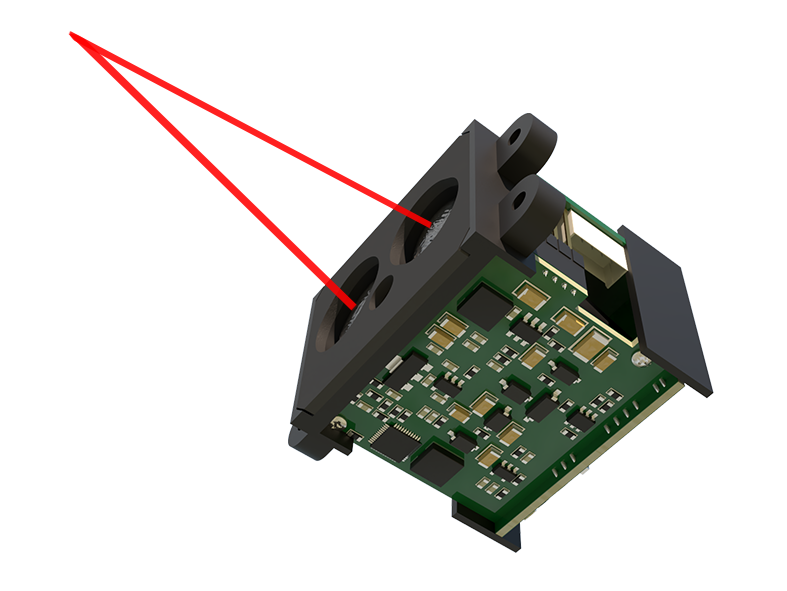
A mining laser obstruction sensor operates on the principle of emitting a focused laser beam towards a designated target or reflector. When an object interrupts this beam, the sensor detects the change in the received light signal. This interruption triggers an immediate output signal, which can be configured to sound an alarm, halt machinery, or initiate other safety protocols. The key advantage of laser technology in this context is its precision and reliability over longer distances compared to traditional mechanical or ultrasonic sensors. It provides a clear, unambiguous detection zone, minimizing false triggers caused by environmental factors like airborne dust—a common challenge in mining tunnels.
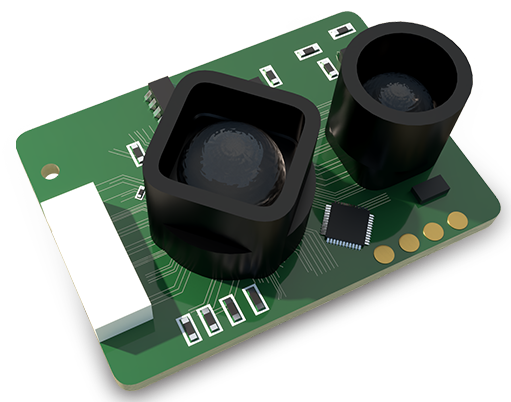
The design of these sensors adheres to stringent industry standards for mining equipment. They are often housed in rugged, explosion-proof enclosures rated for use in hazardous locations. The laser diodes used are typically of a visible red or infrared wavelength, chosen for optimal performance in low-light conditions and through particulate matter. Modern variants incorporate self-monitoring functions, alerting maintenance teams to issues like lens contamination or misalignment before a critical failure occurs. This predictive maintenance capability is crucial for minimizing downtime in continuous operations.
Applications in mining are diverse. A primary use is in access control and personnel safety around large, automated machinery such as continuous miners, conveyor belts, and shuttle cars. Sensors can be positioned to create invisible "curtains" or light barriers at the entrance of hazardous zones. If a worker inadvertently steps into this zone, the system can instantly stop the equipment. Similarly, they are deployed to monitor the clearance and loading of ore passes or crushers, preventing overflow and blockages that can lead to costly operational delays and safety incidents. On haulage roads, they can detect oversized rocks or debris that might damage vehicle tires or undercarriages.
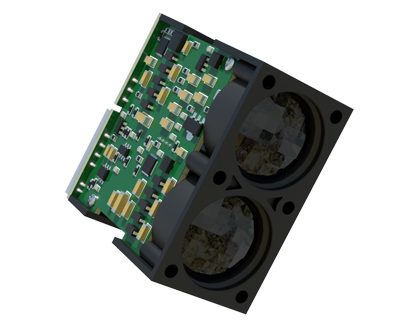
Integration with broader mine automation and IoT (Internet of Things) systems represents the next frontier. Data from laser sensors can be fed into a central control room, providing real-time visibility into site safety status and equipment performance. This data analytics layer allows for optimizing traffic flow of personnel and vehicles, predicting maintenance needs, and generating compliance reports automatically.
However, successful deployment requires careful planning. Sensor placement must account for the mine's geometry, vibration sources, and potential for physical damage. Regular calibration and cleaning are necessary to ensure long-term accuracy, though many models are designed for easy maintenance. Training for personnel on the function and importance of these sensors is equally vital to foster a culture of safety and technology adoption.
In conclusion, the mining laser obstruction sensor is far more than a simple tripwire. It is a sophisticated, robust component of a modern mine's safety and operational infrastructure. By providing reliable, non-contact detection, it directly contributes to protecting human life, safeguarding expensive capital equipment, and ensuring smooth, efficient production. As mining continues to embrace digital transformation, these sensors will undoubtedly evolve with enhanced connectivity, intelligence, and resilience, further solidifying their role as indispensable guardians of the underground workspace.