In the rapidly evolving landscape of industrial automation and environmental monitoring, laser dust sensors have emerged as critical components for precise particulate matter (PM) detection. These sensors utilize laser scattering technology to measure concentrations of dust, smoke, and other aerosols with high accuracy and reliability. For engineers and procurement specialists seeking reliable laser dust sensor manufacturers, understanding the key players and technological advancements is essential. This article delves into the leading manufacturers, their core technologies, and selection criteria to guide informed decisions.
Leading the market are established manufacturers known for their innovation and robust product lines. Companies like Sensirion, a Swiss-based specialist in sensor systems, offer laser dust sensors renowned for their miniaturization and low power consumption, ideal for integration into portable air quality monitors and HVAC systems. Another prominent name, Plantower, originating from China, has gained global recognition for its cost-effective and high-performance sensors widely used in both consumer and industrial applications. Their sensors often feature real-time data output and strong anti-interference capabilities.

In the industrial sector, manufacturers such as Siemens and Honeywell provide laser dust sensors embedded within larger automation and safety systems. These sensors are designed for harsh environments, offering enhanced durability, wide measurement ranges, and compliance with international standards like IECEx for explosive atmospheres. Their focus is on seamless integration with PLCs and SCADA systems for continuous monitoring in manufacturing plants, mining operations, and power generation facilities.
For environmental and research-grade monitoring, companies like TSI Incorporated and Thermo Fisher Scientific stand out. They produce sophisticated laser dust sensors and spectrometers capable of classifying particle sizes (PM1.0, PM2.5, PM10) with exceptional precision. These instruments are vital for ambient air quality stations, occupational health studies, and scientific research, where data integrity and calibration traceability are paramount.
Emerging manufacturers are also making strides by focusing on IoT connectivity and smart features. Start-ups and tech firms are developing sensors with built-in wireless modules (LoRaWAN, NB-IoT), enabling large-scale, networked deployment for smart city projects. These sensors often come with cloud-based analytics platforms, providing actionable insights for urban air quality management.
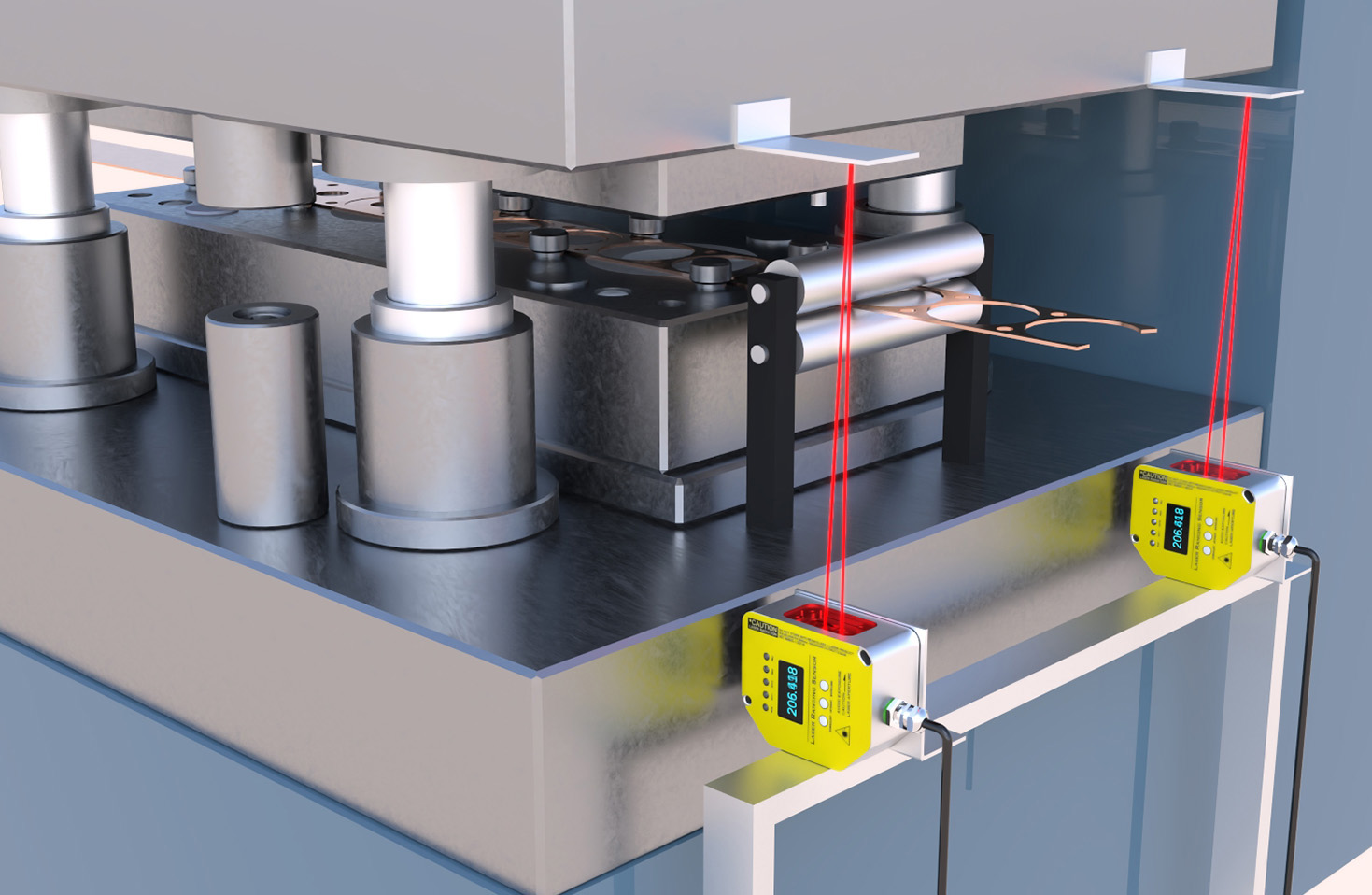
When selecting a laser dust sensor manufacturer, several technical parameters must be evaluated. Measurement range and resolution are primary considerations; for instance, a sensor capable of detecting PM2.5 concentrations from 0 to 1000 µg/m³ with a resolution of 1 µg/m³ is suitable for most urban monitoring tasks. Response time is another critical factor, especially in industrial safety applications where rapid detection of dust explosions is necessary. Long-term stability and calibration requirements significantly impact maintenance costs and operational reliability.
Environmental robustness, indicated by IP ratings for dust and water ingress protection, ensures performance in outdoor or rugged indoor settings. Additionally, the availability of digital interfaces (UART, I2C, Modbus) simplifies integration with existing control systems. Compliance with certifications such as RoHS, REACH, and specific industry standards demonstrates a manufacturer’s commitment to quality and regulatory adherence.

The choice between manufacturers often involves balancing performance, cost, and application-specific needs. For high-volume, cost-sensitive applications like consumer air purifiers, manufacturers offering standardized, compact modules are preferable. In contrast, critical industrial safety or scientific research demands premium sensors from specialized manufacturers with extensive validation and support services.
Future trends in laser dust sensor manufacturing point towards greater intelligence and multifunctionality. Integration with AI algorithms for predictive maintenance and pollution source identification is on the rise. Furthermore, advancements in laser diode and photodetector technology are driving down costs while improving sensitivity, making high-quality monitoring more accessible.
In conclusion, the landscape of laser dust sensor manufacturers is diverse, catering to a broad spectrum of industrial and environmental needs. By carefully assessing technical specifications, environmental suitability, and manufacturer reputation, engineers can source sensors that ensure accurate, reliable particulate monitoring, thereby enhancing operational safety and contributing to better air quality management worldwide.