In the realm of industrial automation, proximity sensors play a pivotal role in detecting the presence or absence of objects without physical contact. As an experienced electrical engineer, I often encounter queries regarding the pricing of proximity sensor proxies, which refer to authorized distributors or representatives supplying these critical components. The cost associated with these proxies is not merely a matter of list prices; it encompasses a complex interplay of technical specifications, market dynamics, and supply chain logistics.
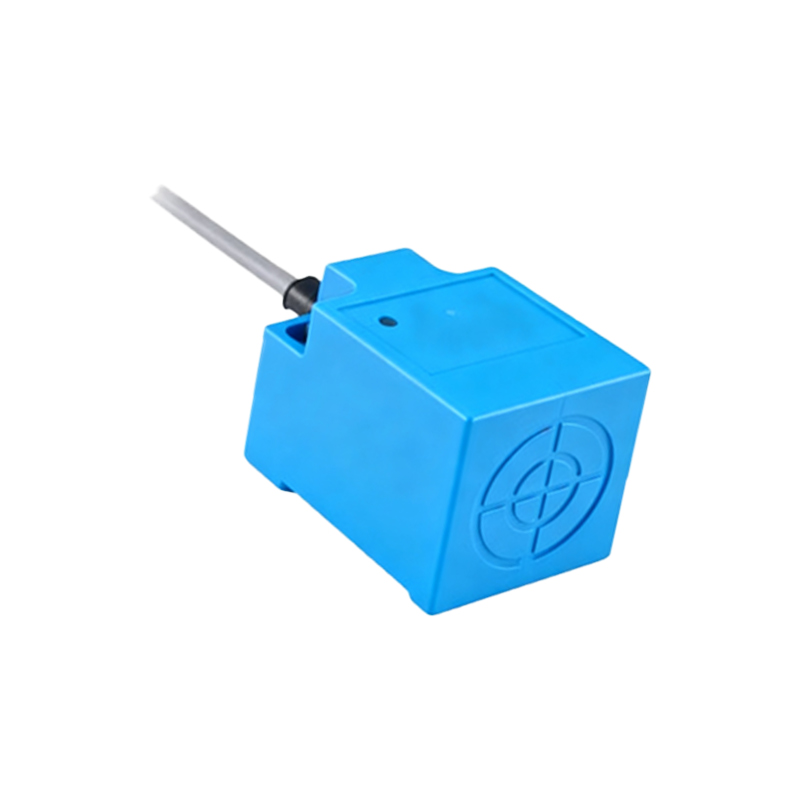
Firstly, the type of proximity sensor significantly influences the proxy price. Inductive sensors, commonly used for metal detection, tend to be more affordable due to their widespread availability and mature technology. In contrast, capacitive sensors, which can detect non-metallic materials, often command higher prices due to their specialized design. Similarly, ultrasonic and photoelectric sensors, with advanced features like longer sensing ranges or environmental resistance, typically incur greater costs. Proxies factor in these technical nuances when setting prices, as higher-precision sensors require more sophisticated manufacturing processes and quality controls.
Secondly, brand reputation and certification standards play a crucial role. Established manufacturers like Omron, Schneider Electric, or Siemens often have higher proxy prices, reflecting their reliability, durability, and compliance with international standards such as IEC 60947-5-2. These brands invest heavily in research and development, ensuring sensors meet stringent industrial requirements for shock resistance, temperature tolerance, and electromagnetic compatibility. Proxies representing these top-tier brands may charge premiums, but they also provide added value through technical support, warranty services, and access to genuine replacement parts.
Market demand and supply chain stability are other key determinants. During periods of high demand, such as in booming manufacturing sectors, proxy prices may rise due to limited inventory. Conversely, economic downturns can lead to price reductions as proxies aim to clear stock. Additionally, global events—like semiconductor shortages or logistical disruptions—can cause price fluctuations. Proxies must navigate these challenges, often adjusting costs to reflect increased procurement expenses or delivery delays.
The scope of services offered by the proxy also impacts pricing. A full-service distributor that provides customization, installation guidance, and after-sales support will likely charge more than a basic supplier. For instance, some proxies offer sensor integration with PLC systems or tailor solutions for specific applications like automotive assembly lines or food processing plants. These value-added services justify higher costs, as they reduce downtime and enhance operational efficiency for end-users.
In terms of geographical factors, proxy prices vary across regions due to import duties, taxes, and local competition. In North America and Europe, regulatory compliance and labor costs can drive prices up, while Asian markets might offer more competitive rates due to lower overheads. However, engineers must consider total cost of ownership, including maintenance and potential downtime, rather than just initial purchase price.
To optimize costs, I recommend evaluating sensor specifications against actual application needs. Over-specifying—such as choosing a high-range sensor for a simple detection task—can unnecessarily inflate expenses. Engaging with reputable proxies for bulk purchases or long-term contracts often leads to discounts. Moreover, exploring alternative brands with comparable performance can yield savings without compromising quality.
In conclusion, the pricing of proximity sensor proxies is a multifaceted issue rooted in technical, economic, and service-related factors. By understanding these elements, engineers can make informed decisions that balance cost with reliability, ensuring efficient and sustainable industrial operations.