Proximity sensors are widely used in industrial automation for non-contact detection of metallic or non-metallic objects. However, installation scenarios often require mounting sensors through walls, panels, or enclosures to protect them from harsh environments or mechanical damage. This guide provides a detailed, illustrated explanation of through-wall installation methods for inductive and capacitive proximity sensors, ensuring optimal performance and longevity.
Understanding Through-Wall Requirements
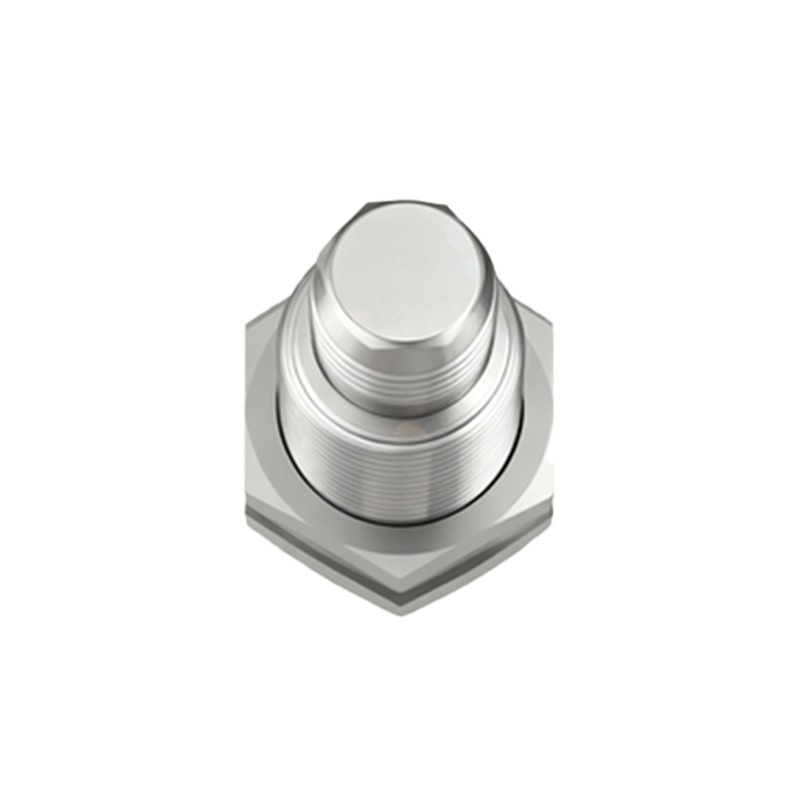
When installing a proximity sensor through a wall, the primary considerations include material compatibility, sensing distance reduction, and environmental sealing. Most proximity sensors are designed to detect objects through non-metallic barriers like plastic, glass, or thin wood, but metallic walls can significantly attenuate the sensing field. For inductive sensors, which detect metals, a non-ferrous (e.g., aluminum or stainless steel) wall may be permissible if properly calibrated, while ferrous materials like iron can disrupt operation. Capacitive sensors, sensitive to both metals and non-metals, offer more flexibility but require careful adjustment to avoid false triggers from the wall itself.
Step-by-Step Installation Methods
1. Wall Preparation and Hole Drilling
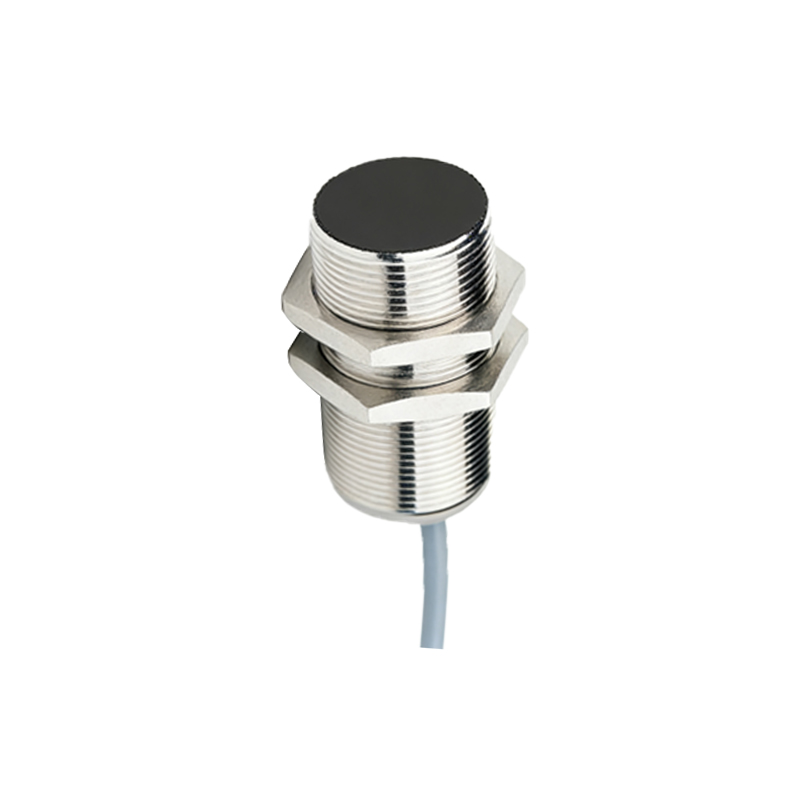
Begin by selecting an appropriate location on the wall, ensuring it aligns with the target object’s path. Drill a hole matching the sensor’s barrel diameter—typically 6mm to 30mm—using a precision drill bit. Deburr the edges to prevent damage to the sensor housing or sealing gaskets. For metallic walls, consider using insulating sleeves to reduce interference, especially for inductive sensors.
2. Sensor Mounting and Sealing
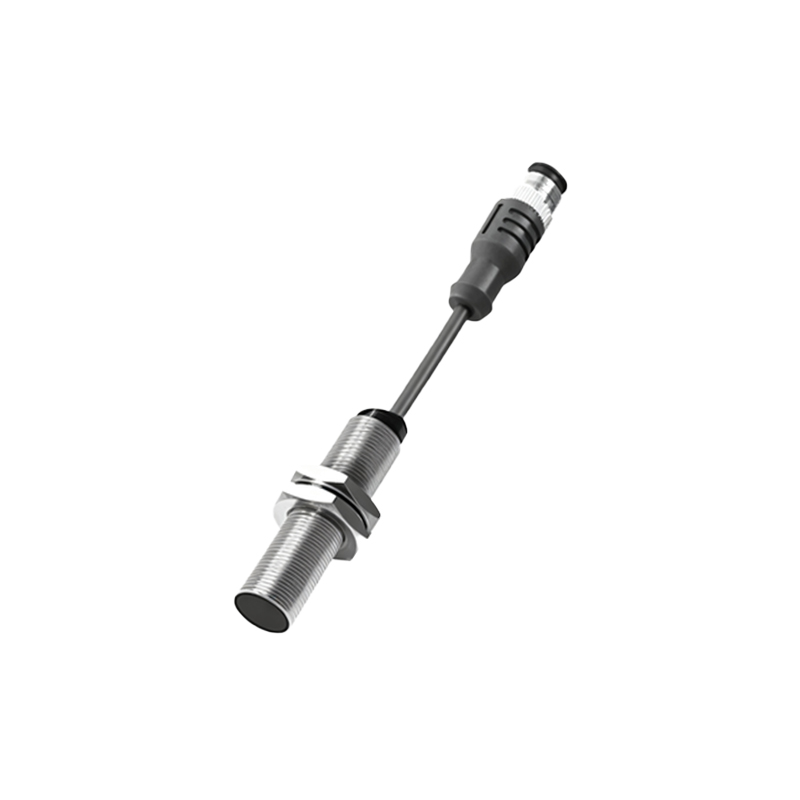
Insert the sensor through the hole from the inside of the wall, with the sensing face protruding slightly outward. Secure it using the included lock nut or mounting bracket, tightening evenly to avoid misalignment. Apply a silicone-based sealant around the entry point if the environment is dusty, humid, or exposed to liquids. This maintains IP67 or higher ingress protection ratings, critical for outdoor or washdown applications.
3. Wiring and Connection
Route the sensor’s cable or conduit through the wall cavity, avoiding sharp bends or tension. Connect the wires to the control system (e.g., PLC or relay) according to the datasheet—typically brown for DC+, blue for DC-, and black for output. Use shielded cables in electrically noisy environments to prevent false signals. For through-wall installations, ensure cables are not pinched by the wall material, which could cause insulation failure.
4. Calibration and Testing
After installation, power the sensor and test its detection range. Through-wall setups often reduce the nominal sensing distance by 10–50%, depending on wall thickness and material. Adjust the sensitivity potentiometer (if available) to compensate. For capacitive sensors, tune the threshold to ignore the wall while detecting the target object. Verify reliability by moving the target repeatedly at different speeds, checking for consistent output signals.
Illustrated Diagrams and Best Practices
- Diagram A: Non-Metallic Wall Installation
Shows a sensor mounted through a plastic panel, with arrows indicating the unaffected magnetic or electrostatic field. Highlight: minimal distance reduction, ideal for packaging machinery or cleanrooms.
- Diagram B: Metallic Wall with Insulating Sleeve
Depicts an inductive sensor using a nylon sleeve to isolate it from an aluminum wall, preventing eddy current interference. Highlight: maintains up to 80% of original sensing range.
- Diagram C: Flush-Mount Configuration
Illustrates a sensor recessed into a thick metal wall, with the sensing face aligned to the outer surface. Highlight: protects sensor from impacts but reduces range significantly; use high-factor models.
Common pitfalls to avoid: overtightening mountings, which can deform sensor housings; ignoring temperature limits of wall materials; and neglecting regular maintenance checks for seal degradation. Always consult the manufacturer’s guidelines for specific through-wall recommendations, as designs vary by brand and model.
Applications and Industry Examples
Through-wall proximity sensors are essential in automotive assembly lines (detecting parts through protective guards), food processing (hygienic barriers), and warehouse automation (monitoring items through conveyor enclosures). By following these methods, engineers can enhance system durability while meeting safety and efficiency standards. For advanced scenarios, consider using fiber-optic or ultrasonic sensors as alternatives where walls are excessively thick or conductive.
In summary, successful through-wall installation hinges on precise planning, appropriate materials, and thorough testing. This approach extends sensor life and ensures reliable operation in demanding industrial settings.