The transportation and industrial sectors are undergoing a profound safety revolution, driven by the relentless advancement of Intelligent Collision Avoidance Systems (ICAS). At the heart of this transformation are the specialized manufacturers who design, engineer, and produce these life-saving technologies. These companies are not merely suppliers; they are pivotal partners in the global mission to prevent accidents, protect assets, and save lives across various applications, from long-haul trucking and construction sites to warehouse logistics and passenger vehicles.
An intelligent collision avoidance system is a sophisticated fusion of sensors, processors, and algorithms. It typically utilizes a combination of radar, LiDAR, cameras, and ultrasonic sensors to create a 360-degree digital awareness of a vehicle or machine's immediate environment. The core intelligence lies in the onboard processing unit, which interprets this sensor data in real-time. When the system predicts an imminent collision—be it with another vehicle, a stationary object, or a vulnerable road user like a pedestrian or cyclist—it triggers a series of warnings. These alerts escalate from audible and visual signals to haptic feedback like seat vibrations. In critical situations, the system can autonomously initiate corrective actions, such as automatic emergency braking (AEB) or steering intervention, to mitigate or entirely avoid an impact.
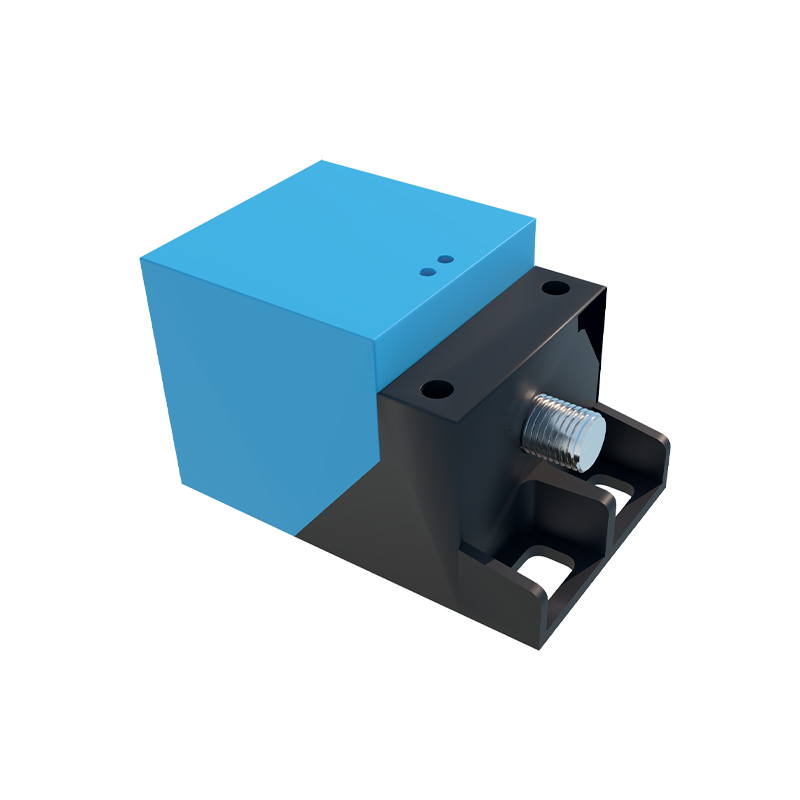
The role of a top-tier ICAS manufacturer extends far beyond assembly. It begins with intensive research and development, often in collaboration with automotive OEMs, fleet operators, and industrial equipment makers. These manufacturers must deeply understand the unique challenges of different operating environments. The system requirements for a mining truck operating in dusty, GPS-denied areas are vastly different from those for a delivery van navigating dense urban streets. Consequently, leading producers offer customizable solutions. They develop software that can be calibrated for specific vehicle types, load weights, and typical operational scenarios, ensuring the technology provides maximum utility without being overly intrusive or generating false alarms.
Reliability and durability are non-negotiable benchmarks for any reputable manufacturer. These systems must perform flawlessly under extreme conditions: blistering heat, freezing cold, torrential rain, vibration, and electromagnetic interference. This demands rigorous testing protocols, including hardware-in-the-loop simulation, extensive field trials, and compliance with stringent international standards like ISO 26262 for functional safety. The manufacturing process itself requires precision and quality control at every stage, from sourcing robust sensor components to the final calibration of the integrated system.
Beyond the hardware and software, forward-thinking manufacturers are now building ecosystems around their products. This includes advanced telematics integration, where collision event data is seamlessly logged and transmitted to fleet management platforms. This provides operators with invaluable insights into near-miss events, allowing for targeted driver coaching and proactive safety management. Furthermore, as the industry moves towards greater connectivity, manufacturers are pioneering vehicle-to-everything (V2X) capabilities. This allows an ICAS-equipped vehicle to communicate with other vehicles, infrastructure, and even pedestrians' smartphones, creating a cooperative safety network that anticipates hazards beyond the line of sight of its own sensors.
The impact of these manufacturers is quantifiable. Fleet operators report significant reductions in insurance premiums and accident-related costs. More importantly, they document a drastic drop in collision frequency and severity. This translates directly to protected human lives, reduced downtime, and preserved capital. The drive towards autonomy further underscores their importance; a robust ICAS is the foundational layer upon which higher levels of automated driving are built. It serves as a critical safety redundancy, a guardian angel for both human-driven and increasingly automated vehicles.
Choosing the right intelligent collision avoidance system manufacturer is a strategic decision. Key considerations include the provider's technological maturity, proven track record in the relevant sector, depth of customization and support services, and the system's ability to integrate with existing vehicle electronics and fleet management software. The leaders in this space are characterized by their continuous innovation, adapting to new sensor technologies like 4D imaging radar and leveraging artificial intelligence for more nuanced object classification and intent prediction.
In conclusion, intelligent collision avoidance system manufacturers are the unsung engineers of modern safety. Through their expertise in sensor fusion, data processing, and robust engineering, they deliver proactive shields against human error and unforeseen hazards. Their work is fundamentally making roads, worksites, and logistics hubs safer, driving the industry toward a future where preventable collisions are a relic of the past. Their continued innovation promises not only to avoid accidents but to create a seamlessly safe and efficient operational environment for all.