Proximity sensors are indispensable components in modern industrial automation, offering non-contact detection of objects within a specified range. These devices operate by emitting electromagnetic fields, infrared light, or ultrasonic waves to identify the presence, absence, or position of target objects without physical contact. Their primary function is to enhance operational efficiency, safety, and precision in various applications.
One of the core roles of proximity sensors is object detection and positioning. In manufacturing lines, they accurately identify components on conveyor belts, ensuring proper alignment for assembly or packaging. For instance, inductive sensors detect metallic objects, while capacitive sensors handle non-metallic materials like plastics or liquids. This capability minimizes errors and reduces manual intervention, leading to higher throughput and consistent product quality.
Another critical function is safety monitoring. Proximity sensors are integrated into machinery to prevent accidents by detecting human presence or unauthorized access to hazardous zones. In robotic systems, they halt operations when an obstacle is sensed, protecting both equipment and personnel. This aligns with industrial safety standards such as ISO 13849, which mandates risk reduction through reliable sensing solutions.
Proximity sensors also contribute to process control and automation. By providing real-time feedback on object position or movement, they enable precise control of actuators, valves, and motors. In automotive manufacturing, sensors monitor the placement of parts during welding or painting, ensuring adherence to tolerances. Similarly, in packaging industries, they regulate fill levels by detecting containers, optimizing resource use and minimizing waste.
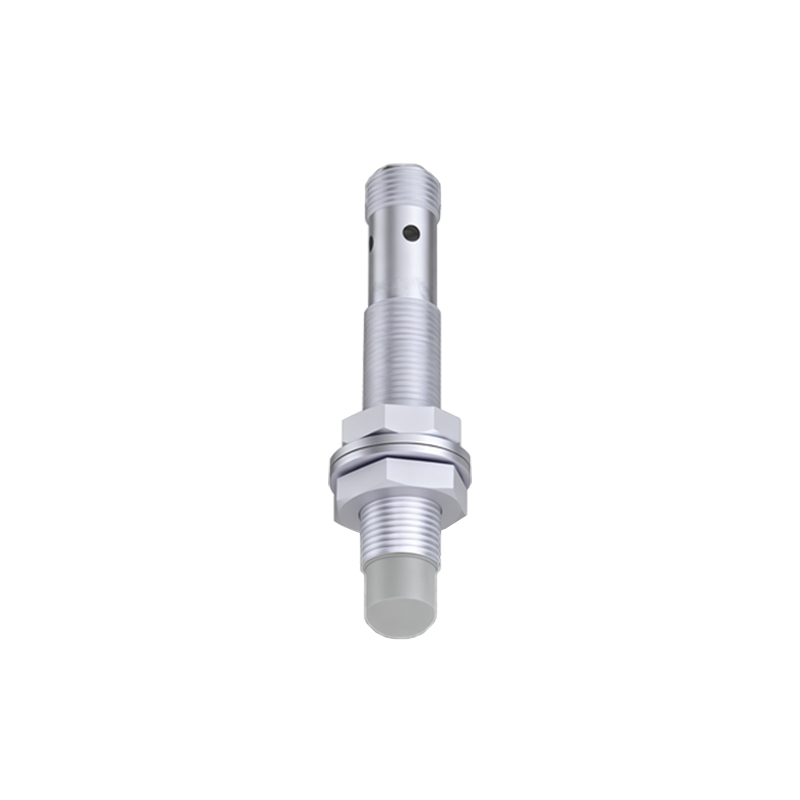
Energy efficiency is another advantage. Unlike mechanical switches, proximity sensors consume minimal power and have no moving parts, reducing wear and maintenance costs. Their solid-state design ensures longevity in harsh environments, resisting dust, moisture, and temperature fluctuations. This durability makes them ideal for heavy-duty sectors like mining or agriculture, where reliability is paramount.
Innovations in proximity sensor technology, such as IO-Link connectivity, allow for smart data exchange and predictive maintenance. Sensors can transmit diagnostic information to control systems, enabling proactive adjustments and reducing downtime. As Industry 4.0 evolves, these sensors will play a pivotal role in creating interconnected, intelligent factories.
In summary, proximity sensors are versatile tools that drive automation by enabling accurate detection, enhancing safety, optimizing processes, and promoting sustainability. Their adaptability across industries—from electronics to pharmaceuticals—underscores their value in building efficient and resilient operational frameworks.