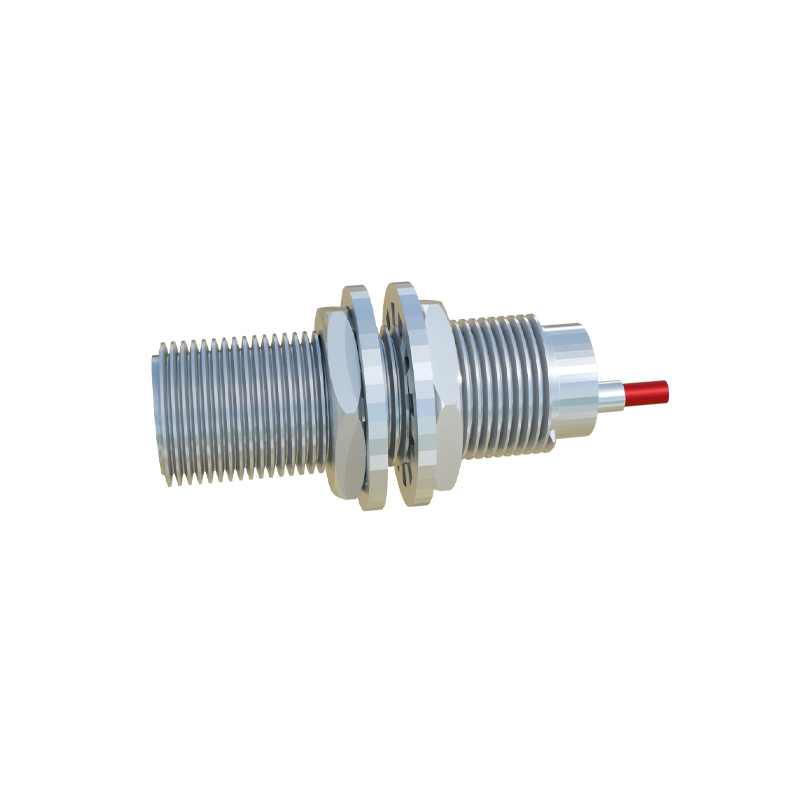
In the realm of industrial automation and machinery safety, the integration of reliable control systems is paramount. Among the various safety components, Two-Hand Control (THC) proximity sensors stand out as a critical solution for safeguarding operators during hazardous machine cycles. These specialized devices are engineered to ensure that an operator must use both hands to initiate a potentially dangerous machine operation, thereby keeping hands clear of the point of operation. This article delves into the operational principles, key features, applications, and selection criteria for these vital safety sensors.
At its core, a Two-Hand Control proximity sensor system is not a single device but a coordinated safety system. It typically consists of two independent sensor units—often capacitive or non-contact inductive proximity switches—and a dedicated safety evaluation unit or safety relay. The fundamental principle is known as "simultaneous actuation." To initiate a machine cycle, the operator must depress both sensor actuators within a very short, predefined time window (typically 0.5 seconds or less). Furthermore, the system requires that both actuators are released before a new cycle can be started. This dual requirement prevents an operator from tying down one actuator and operating the machine with a single hand, which would defeat the safety purpose. The proximity-based nature of these sensors is key; they offer high reliability with no mechanical wear, as they detect the presence of a hand without physical contact.
The design and functionality of modern THC proximity sensors incorporate several essential safety features. First and foremost is anti-tie-down protection, which ensures the system cannot be easily bypassed. Muting or blanking functions are also common, allowing for temporary, controlled deactivation during setup or maintenance under specific conditions, always governed by the safety logic. These devices are built to meet rigorous international safety standards such as ISO 13851, IEC 60204-1, and Type III C according to EN 574. This compliance is non-negotiable for applications where personnel safety is at stake. The sensors themselves are robust, featuring high ingress protection ratings (e.g., IP67) to withstand harsh industrial environments filled with dust, moisture, and vibration.
The applications for Two-Hand Control proximity sensors are widespread across manufacturing sectors. They are indispensable in press brakes, stamping presses, molding machines, and guillotine cutters—any equipment where the closing of a tool or die presents a crushing or shearing hazard. They are also used in assembly stations, robotic cell initiation, and testing machinery. By ensuring the operator's hands are safely positioned on the control actuators, the risk of traumatic amputation or crushing injuries is significantly mitigated. Beyond the primary safety benefit, these systems can also contribute to process consistency and efficiency, as they enforce a deliberate, two-handed start procedure.
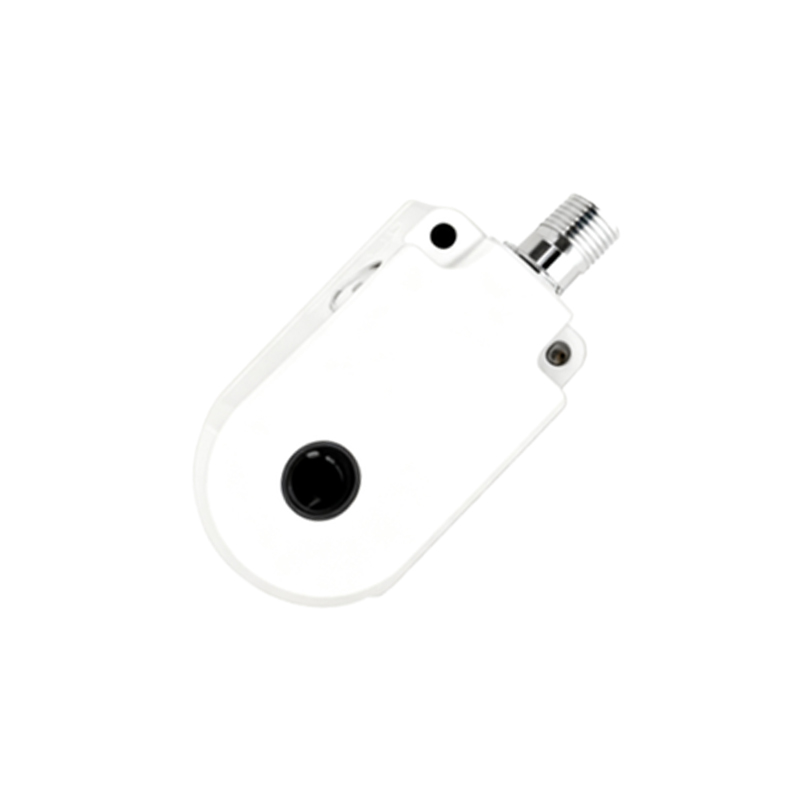
Selecting the appropriate Two-Hand Control system requires careful consideration. Engineers must first perform a thorough risk assessment of the machine or process to determine the required Safety Performance Level (PLr) or Category as per ISO 13849-1. The choice between inductive, capacitive, or optical sensing technology depends on the required sensing range, the material of the actuator (often a metal plate), and environmental factors. The system's response time and the simultaneous actuation time window are critical parameters that must be matched to the machine's cycle time and safety requirements. Integration with the overall machine control system, often via a safety PLC or dedicated safety relay, is another crucial step to ensure the safety function is properly executed and monitored.
In conclusion, Two-Hand Control proximity sensors represent a sophisticated and reliable engineering solution at the intersection of safety and productivity. They embody the principle that the safest systems are those designed to make unsafe actions impossible. By mandating deliberate, two-handed initiation, they physically enforce a safe working posture. For engineers and system integrators, a deep understanding of their operation, standards compliance, and proper integration is essential. As automation evolves, these sensors will continue to be a foundational element in creating industrial environments where human workers and powerful machinery can collaborate safely and efficiently, protecting valuable personnel while ensuring uninterrupted production flow.