In the rapidly evolving landscape of industrial automation and smart manufacturing, proximity sensor companies play a pivotal role in driving efficiency, safety, and precision. These specialized firms develop sensors that detect the presence or absence of objects without physical contact, utilizing technologies such as inductive, capacitive, ultrasonic, and photoelectric principles. The global market for proximity sensors is expanding, fueled by demand from automotive, aerospace, electronics, and packaging industries, where reliable non-contact sensing is critical for automated processes.
Leading proximity sensor companies, including established giants like Siemens, Omron, and Schneider Electric, as well as innovative players like Pepperl+Fuchs and Balluff, continuously push the boundaries of technology. They focus on enhancing sensor sensitivity, durability, and integration capabilities with IoT (Internet of Things) and Industry 4.0 platforms. For instance, modern proximity sensors now feature advanced diagnostics, wireless connectivity, and miniaturized designs, enabling seamless deployment in complex environments like robotic assembly lines or harsh industrial settings.
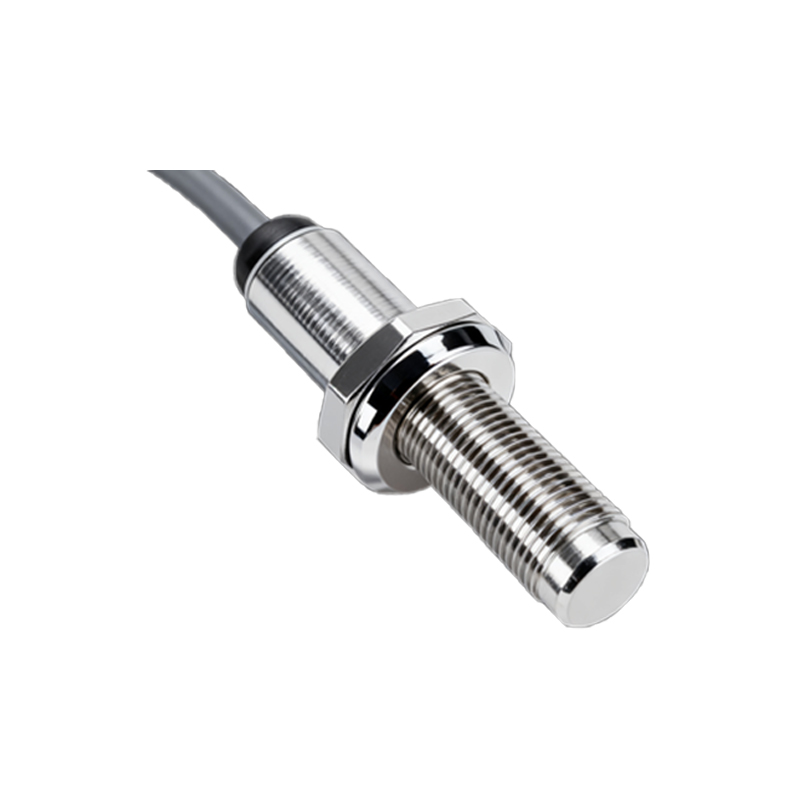
The competitive edge among these companies often lies in their ability to offer customized solutions. Clients seek sensors that can operate under extreme temperatures, resist chemicals, or provide high-speed detection for dynamic applications. Companies respond by investing in R&D to develop robust materials, such as stainless steel housings or specialized coatings, and by refining signal processing algorithms to reduce false triggers and improve accuracy.
Moreover, sustainability and energy efficiency have become key drivers in product development. Many proximity sensor companies are designing low-power models that contribute to greener operations, aligning with global environmental standards. This shift not only reduces operational costs for end-users but also supports corporate social responsibility initiatives.
Despite advancements, challenges persist, such as electromagnetic interference in dense industrial setups or the need for cost-effective solutions for small and medium enterprises. To address these, companies are collaborating with research institutions and adopting open-standard communication protocols like IO-Link, which simplifies sensor integration and data exchange.
Looking ahead, the future of proximity sensor companies is intertwined with trends like AI (Artificial Intelligence) and machine learning, where sensors will provide real-time data for predictive maintenance and adaptive control systems. As industries embrace digital transformation, these companies will continue to be at the forefront, enabling smarter, more responsive manufacturing ecosystems. In summary, proximity sensor companies are not just component suppliers; they are essential partners in shaping the automated world, driving innovation that enhances productivity and safety across diverse sectors.