Proximity sensors have become indispensable components in modern industrial automation, consumer electronics, and automotive systems. These devices detect the presence or absence of objects within a specified range without physical contact, offering reliability, durability, and precision. Understanding their applicability across various fields helps engineers and designers select the appropriate sensor type for specific needs.
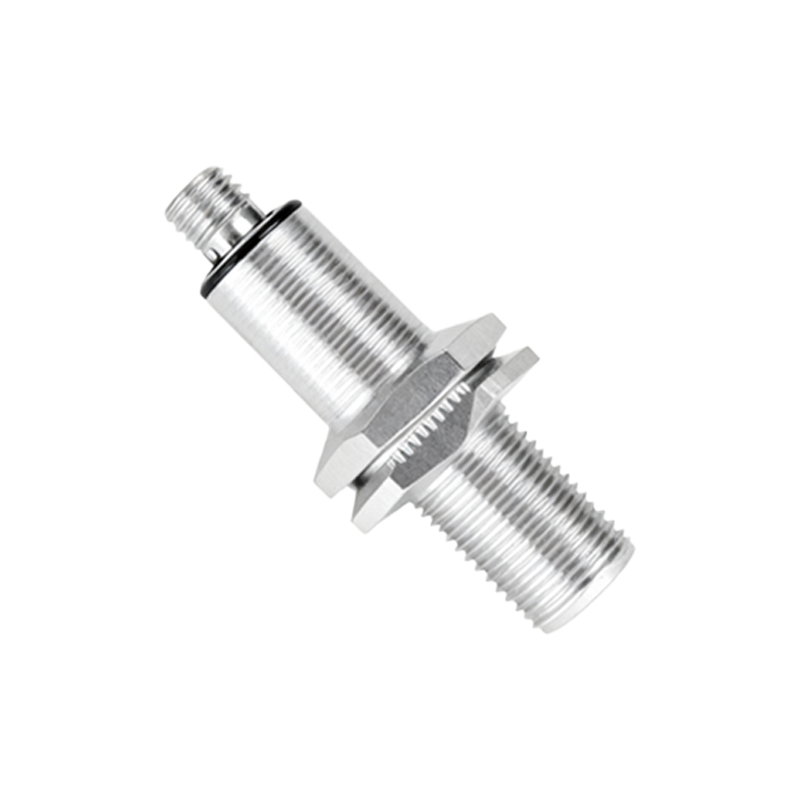
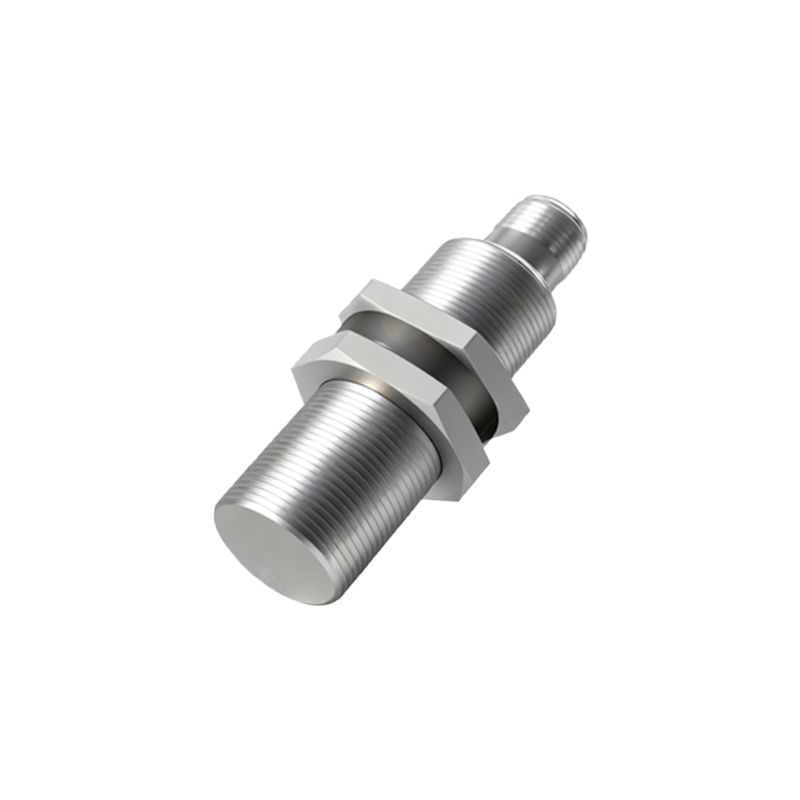
In industrial automation, proximity sensors are widely used for object detection, position control, and safety monitoring. Inductive sensors, which detect metallic objects, are commonly employed in conveyor systems to count products, control robotic arms, or verify part placement. Capacitive sensors can detect both metallic and non-metallic materials, making them suitable for liquid level detection in tanks or presence sensing of plastic or glass containers. In harsh environments, such as manufacturing floors with dust, oil, or vibration, ruggedized sensors with high ingress protection (IP) ratings ensure consistent operation. For example, in automotive assembly lines, sensors monitor component positioning, while in packaging machinery, they trigger sealing or labeling processes when a product passes by.
The consumer electronics sector leverages proximity sensors for enhanced user experience and energy efficiency. Smartphones integrate infrared (IR) or ultrasonic sensors to detect when a user holds the phone near their ear during a call, automatically turning off the display to prevent accidental touches and save battery life. Similarly, laptops use these sensors to sleep when the lid is closed, and interactive kiosks employ them to activate displays when a person approaches. In home appliances like automatic faucets or soap dispensers, sensors provide hygienic, touch-free operation by detecting hand presence. The miniaturization of sensors has enabled their use in wearable devices, where they monitor gestures or proximity to the body for fitness tracking or smartwatch functionalities.
Automotive applications prioritize safety and convenience through proximity sensors. Ultrasonic sensors in parking assist systems measure distances to obstacles, providing audible or visual alerts to drivers. In advanced driver-assistance systems (ADAS), radar and LiDAR sensors detect vehicles, pedestrians, or obstacles for features like adaptive cruise control and collision avoidance. Inside vehicles, sensors enable keyless entry systems, adjust seat positions based on driver presence, or activate interior lights when a hand approaches the glove compartment. The reliability of these sensors is critical, as they must perform accurately under varying weather conditions, temperatures, and vibrations.
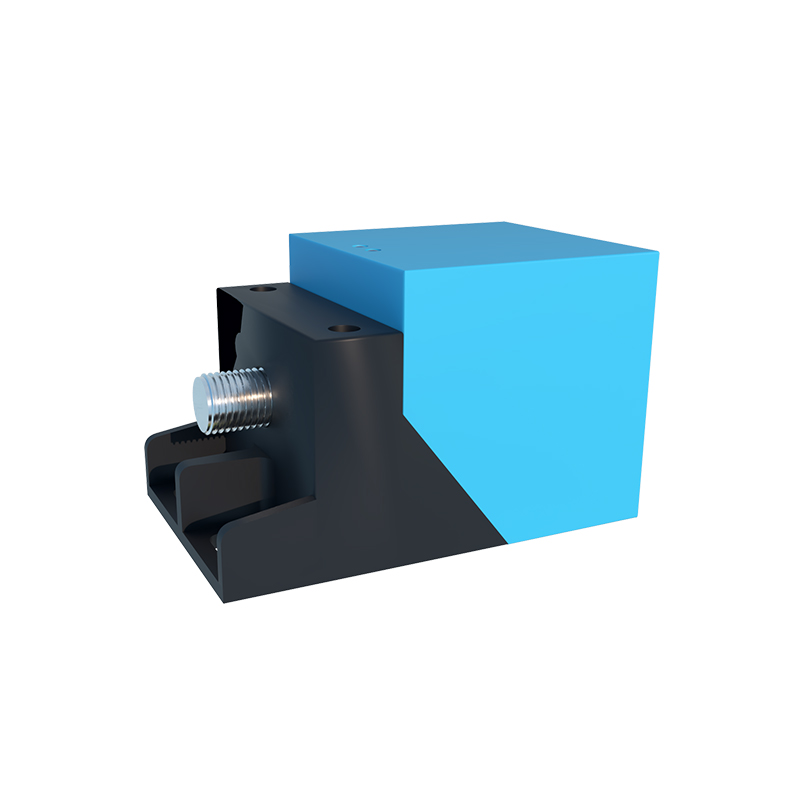
When selecting a proximity sensor, several factors must be considered to ensure optimal performance. First, determine the sensing object’s material—inductive sensors work only with metals, while capacitive sensors handle diverse materials, and photoelectric sensors use light beams for detection. Second, assess the required sensing range; short-range applications (e.g., a few millimeters) may use magnetic sensors, while longer ranges (several meters) necessitate ultrasonic or radar sensors. Environmental conditions like temperature extremes, humidity, or exposure to chemicals dictate the need for protective housings or specific certifications (e.g., IP67 for dust and water resistance). Output type is another consideration: digital outputs (e.g., NPN or PNP) interface easily with PLCs, while analog outputs provide continuous distance data. Finally, cost and installation constraints influence choices; compact sensors suit space-limited designs, and wireless options reduce wiring complexity in mobile setups.
Emerging trends expand proximity sensor applicability. In the Internet of Things (IoT), sensors connect to networks for smart home or industrial monitoring, enabling predictive maintenance by detecting machine part wear. Healthcare devices use non-contact sensors for patient monitoring, such as detecting movement in hospital beds or ensuring sterile equipment proximity. Agricultural automation employs sensors to guide autonomous vehicles or monitor crop levels. As technology advances, sensors with embedded intelligence, lower power consumption, and enhanced accuracy will drive innovation across sectors.
In summary, proximity sensors offer versatile solutions for detection tasks, from factory floors to everyday gadgets. By matching sensor characteristics—such as sensing principle, range, and durability—to application requirements, users can achieve efficient, reliable, and cost-effective outcomes. Regular testing and adherence to manufacturer guidelines further ensure long-term performance, making these sensors key enablers of automation and smart technology.