Selecting the right proximity sensor is critical for ensuring optimal performance, reliability, and cost-efficiency in industrial automation, automotive systems, and consumer electronics. This guide provides a comprehensive overview of the key factors to consider during the selection process, helping engineers and designers make informed decisions.
Proximity sensors detect the presence or absence of objects without physical contact, using various technologies such as inductive, capacitive, ultrasonic, and photoelectric methods. Each technology has distinct advantages and limitations, making it essential to match the sensor to the application's specific requirements.
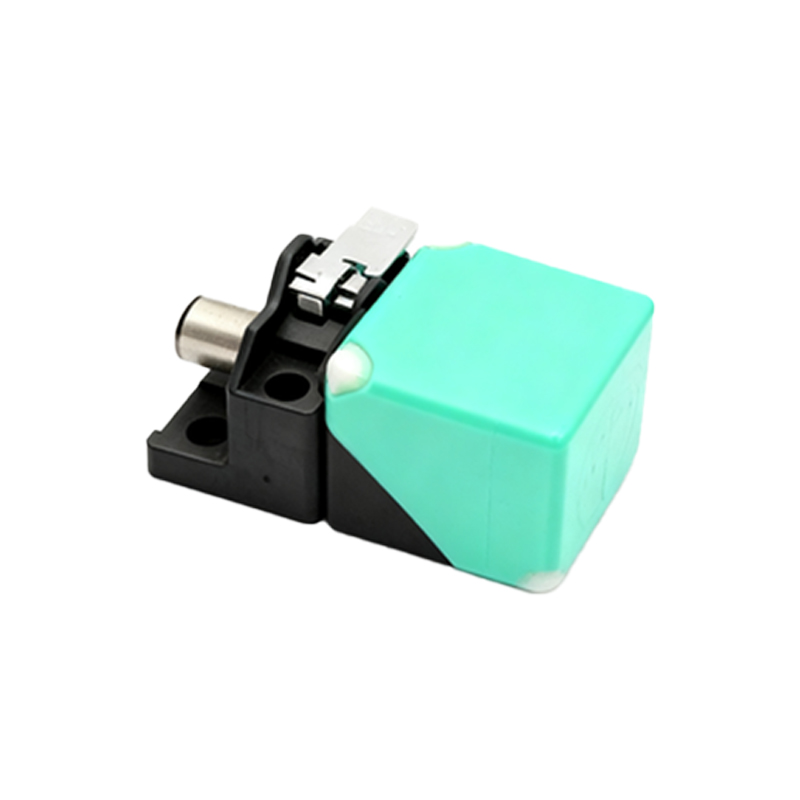
Inductive sensors are ideal for detecting metallic objects. They generate an electromagnetic field and react to changes caused by conductive materials. These sensors are robust, suitable for harsh environments, and offer high switching frequencies. However, they cannot detect non-metallic objects. Common applications include position sensing in machinery, metal detection in conveyor systems, and automotive assembly lines.
Capacitive sensors can detect both metallic and non-metallic materials, including liquids, plastics, and glass. They operate by measuring changes in capacitance caused by the target object. These sensors are versatile and useful in level detection, material handling, and packaging industries. Factors like material dielectric constant and environmental conditions (e.g., humidity) can affect their performance, requiring careful calibration.
Ultrasonic sensors use sound waves to detect objects, making them effective for distance measurement and presence detection in challenging environments. They work well with various materials, regardless of color or transparency, and are less affected by dust, smoke, or light interference. Typical uses include liquid level control, object profiling, and automated guided vehicles (AGVs). Drawbacks may include slower response times and sensitivity to temperature variations.
Photoelectric sensors employ light beams (infrared, visible, or laser) to detect objects. They offer long sensing ranges and high precision, suitable for applications requiring fine detection, such as counting, sorting, and edge detection. Diffuse, retro-reflective, and through-beam are common types, each with specific benefits. However, they can be influenced by ambient light, surface reflectivity, and environmental obstructions.
When selecting a proximity sensor, consider the following parameters:
1. Sensing Range: Determine the maximum and minimum distances for reliable detection. Ensure the sensor's specified range accommodates operational variations.
2. Target Material: Identify the object's composition (metal, plastic, liquid, etc.) to choose a compatible technology.
3. Environmental Conditions: Assess factors like temperature extremes, humidity, dust, vibration, and chemical exposure. Select sensors with appropriate ingress protection (IP) ratings and housing materials (e.g., stainless steel for corrosive settings).
4. Output Type: Decide between digital (e.g., NPN/PNP) or analog outputs based on control system requirements. Some applications may benefit from programmable or IO-Link enabled sensors for enhanced flexibility.
5. Response Time: For high-speed processes, ensure the sensor's switching frequency meets cycle time demands without lag.
6. Mounting and Size: Consider physical constraints and installation methods (flush or non-flush mounting) to avoid interference and ensure proper alignment.
7. Cost and Availability: Balance performance needs with budget limitations, factoring in long-term maintenance and replacement costs.
Best practices include consulting manufacturer datasheets, performing real-world testing with actual targets, and considering future scalability. For instance, in automotive manufacturing, inductive sensors might be used for metal part detection, while capacitive sensors monitor fluid levels in reservoirs. In food processing, ultrasonic sensors can handle non-contact level sensing without contamination risks.
Regular maintenance, such as cleaning lenses or checking for wear, extends sensor lifespan. Additionally, integrating sensors with diagnostic features can preempt failures and reduce downtime.
In summary, a methodical approach to proximity sensor selection—focusing on technology alignment, environmental resilience, and operational parameters—ensures efficient system integration and long-term reliability. By understanding these principles, professionals can optimize automation processes and enhance productivity across diverse industries.