Indoor laser positioning sensors represent a pivotal advancement in automation and robotics, offering unparalleled accuracy and reliability in diverse industrial and commercial applications. These sensors utilize laser technology to detect, measure, and track objects within indoor environments, enabling precise positioning and navigation without the need for physical contact. By emitting laser beams and analyzing the reflected signals, they can determine distances, angles, and coordinates with sub-millimeter precision, making them indispensable in fields such as manufacturing, logistics, and smart infrastructure.
The core principle behind indoor laser positioning sensors involves time-of-flight (ToF) or triangulation methods. In ToF systems, the sensor calculates the distance to an object by measuring the time it takes for a laser pulse to travel to the target and back. This approach is highly effective for long-range measurements and dynamic environments, providing real-time data for automated guided vehicles (AGVs) and robotic arms. Triangulation-based sensors, on the other hand, use geometric relationships between the laser source, detector, and object to determine position, offering superior accuracy for short-range applications like assembly line quality control or 3D scanning. Both techniques leverage advanced optics and signal processing algorithms to filter noise and enhance resolution, ensuring consistent performance even in challenging conditions such as low light or high ambient interference.
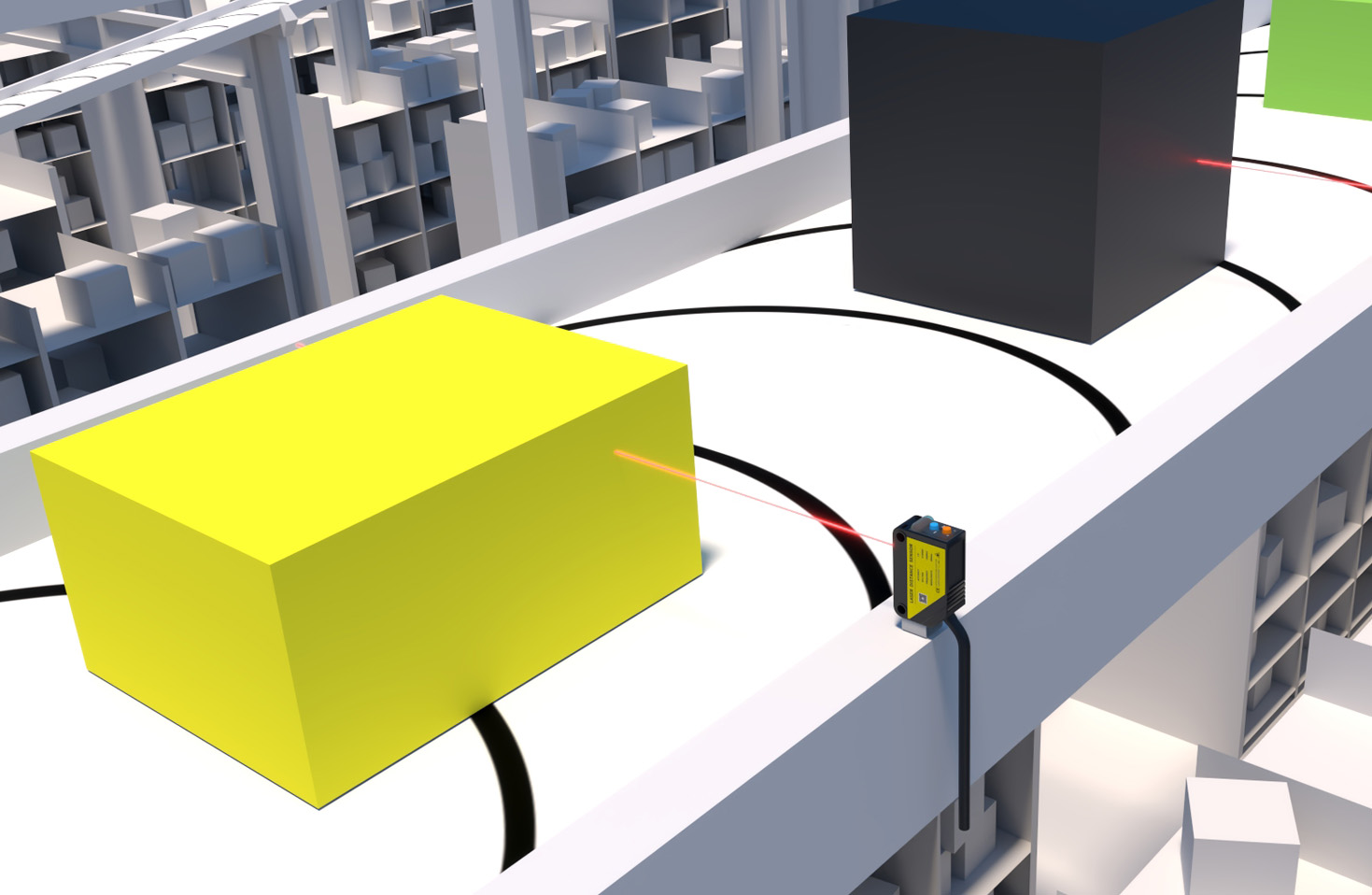
Key advantages of indoor laser positioning sensors include their non-contact operation, which minimizes wear and tear, and their ability to function in harsh environments where dust, moisture, or temperature fluctuations might degrade other sensing technologies. They are also highly versatile, with configurations ranging from fixed-point sensors for static measurements to rotating or scanning models for area mapping. In modern smart factories, these sensors integrate seamlessly with IoT platforms and control systems, enabling adaptive automation processes that boost efficiency and reduce human error. For instance, in warehouse automation, laser sensors guide AGVs along optimized paths, while in construction, they assist in aligning structural components with exact specifications.
Despite their benefits, implementing indoor laser positioning sensors requires careful consideration of factors like installation geometry, calibration, and environmental reflectivity. Proper alignment and periodic maintenance are essential to sustain accuracy, and users must account for potential obstructions or reflective surfaces that could distort readings. Ongoing innovations, such as the integration of artificial intelligence for predictive analytics and the development of compact, cost-effective models, are expanding their accessibility and functionality. As industries increasingly adopt Industry 4.0 standards, the demand for precise, reliable positioning solutions continues to grow, positioning laser sensors as a cornerstone of future automation ecosystems.

In summary, indoor laser positioning sensors are transformative tools that enhance operational precision across sectors. By delivering high-speed, accurate data, they empower systems to perform complex tasks autonomously, driving productivity and innovation in an interconnected world. Their evolution promises even greater integration with emerging technologies, solidifying their role in shaping the next generation of intelligent indoor environments.