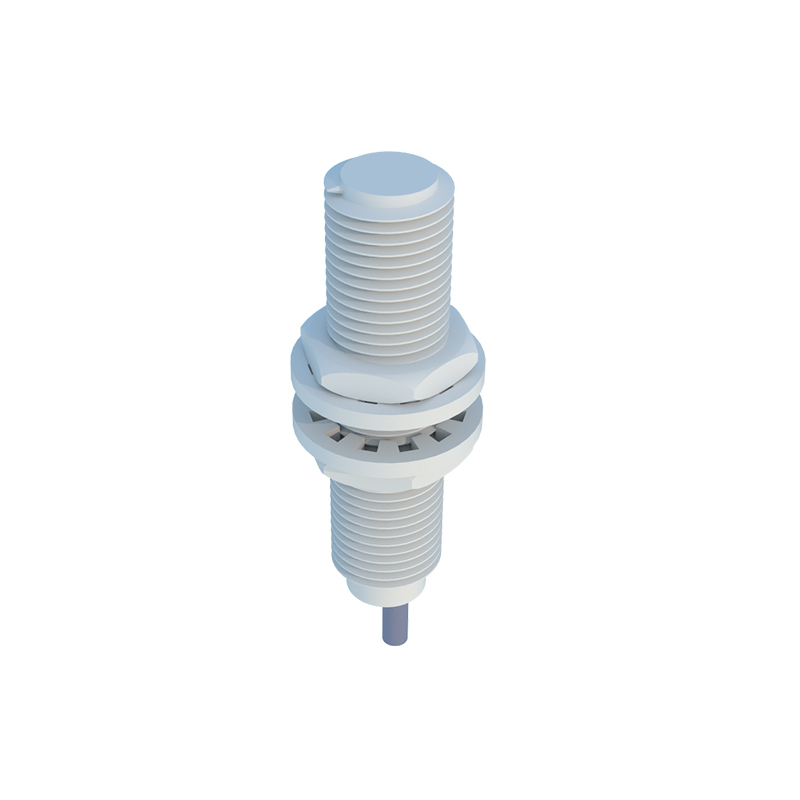
In modern industrial automation, proximity sensors have become indispensable components for precise speed control in various machinery and equipment. These non-contact sensors detect the presence or absence of objects and are widely used to monitor rotational speed, position, and movement in systems ranging from conveyor belts to high-speed motors. The integration of proximity sensors into speed control tools enhances operational efficiency, reduces mechanical wear, and improves safety by enabling real-time feedback and adjustments.
Proximity sensors operate on different principles, including inductive, capacitive, and magnetic technologies. Inductive sensors, for instance, are ideal for detecting metallic objects and are commonly employed in motor speed monitoring. When a metallic target, such as a gear tooth or rotor blade, passes near the sensor, it induces an electrical signal that is processed to calculate rotational speed. This data is then fed into a control system, such as a programmable logic controller (PLC) or variable frequency drive (VFD), to adjust motor speed dynamically. This closed-loop control mechanism ensures consistent performance, even under varying load conditions, making it crucial for applications like packaging lines, CNC machines, and automotive assembly systems.
The selection of appropriate proximity sensors for speed control depends on factors such as sensing range, response time, and environmental conditions. For high-speed applications, sensors with fast response times—often in the microsecond range—are essential to capture rapid movements accurately. Additionally, rugged designs that resist dust, moisture, and temperature extremes are vital for industrial settings. Advanced models feature embedded diagnostics and digital outputs, allowing seamless integration with industrial networks like IO-Link or Ethernet/IP for centralized monitoring and predictive maintenance.
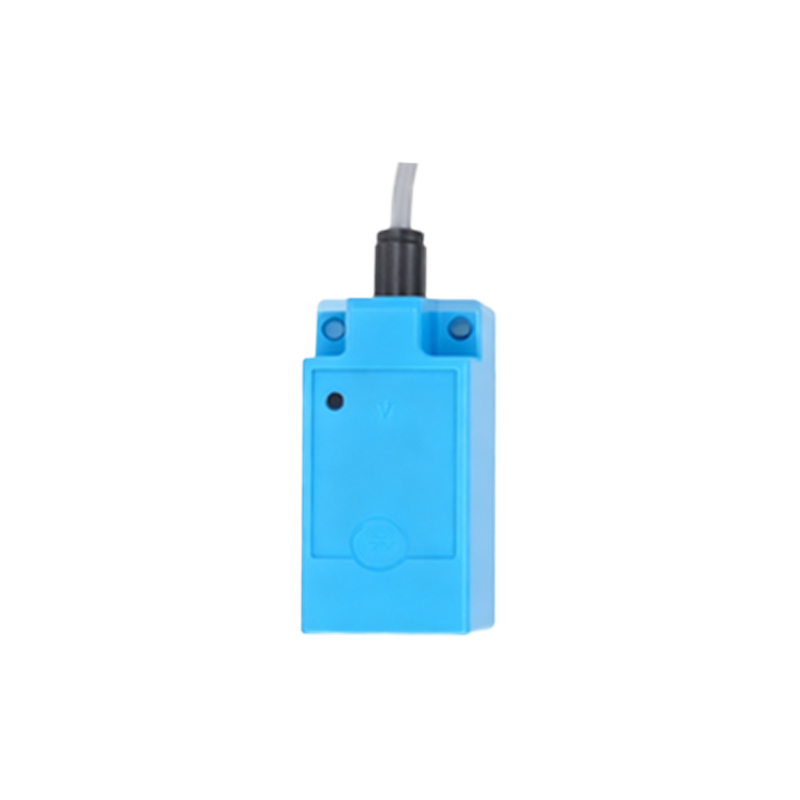
In practice, proximity sensors are often paired with tachometers or encoders to enhance speed control precision. For example, in a conveyor system, sensors mounted along the belt track the movement of items, while the control tool adjusts the drive motor speed to maintain optimal throughput. Similarly, in wind turbines, magnetic proximity sensors monitor blade rotation, enabling adjustments to maximize energy output while preventing overspeed damage. These tools not only boost productivity but also contribute to energy savings by optimizing power usage based on real-time demands.
Despite their advantages, challenges such as electromagnetic interference (EMI) or material compatibility can affect sensor performance. Engineers must conduct thorough testing and calibration during installation. Regular maintenance, including cleaning sensor surfaces and checking wiring integrity, ensures long-term reliability. As Industry 4.0 evolves, smart proximity sensors with IoT capabilities are emerging, offering data analytics and remote control features for more adaptive speed management.
Overall, proximity sensor-based speed control tools represent a cornerstone of industrial automation. By leveraging their non-contact sensing and rapid response, industries can achieve finer control over mechanical processes, reduce downtime, and enhance overall system resilience. Continuous innovation in sensor technology promises even greater accuracy and integration, driving future advancements in automated speed regulation.