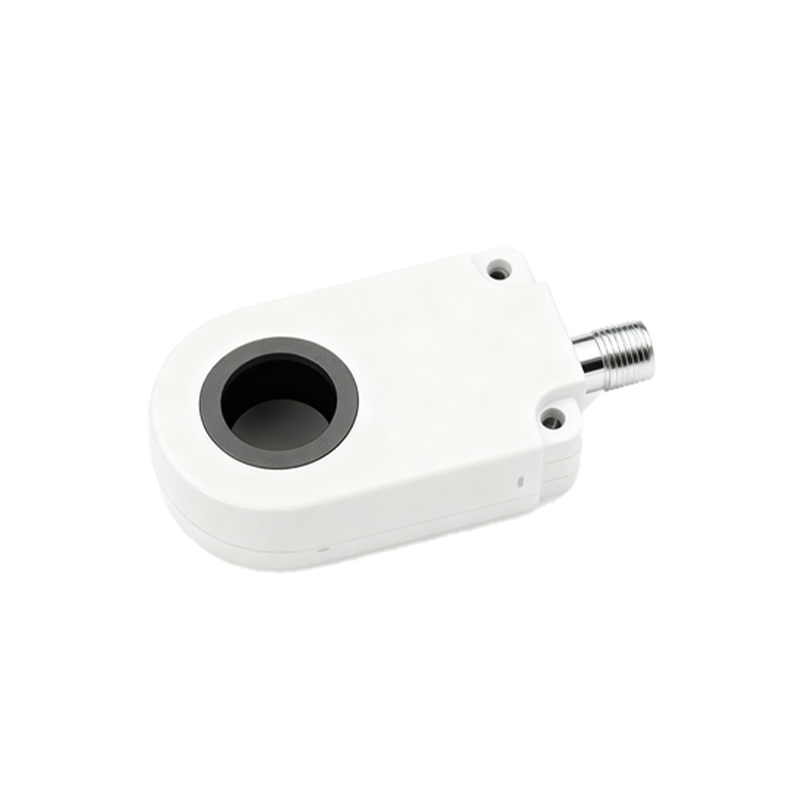
Proximity sensors, fundamental to modern industrial automation, are non-contact electronic devices designed to detect the presence or absence of an object within a defined sensing range without physical contact. Their robust and reliable operation hinges on a sophisticated yet elegantly integrated set of core components. Understanding these components is crucial for engineers to select, apply, and troubleshoot these sensors effectively across diverse environments, from factory floors to precision machinery.
The heart of any proximity sensor is its Oscillator Circuit. This circuit generates a high-frequency electromagnetic field that radiates from the sensor's active face. In inductive proximity sensors, this field is generated by a coil within an oscillator circuit. When a metallic target enters this oscillating field, eddy currents are induced on the target's surface. These currents draw energy from the oscillator, causing a reduction in the oscillation amplitude. This change is the primary detectable event. Capacitive sensors operate on a similar principle but generate an electrostatic field, sensitive to both conductive and non-conductive materials, where the intrusion of any material alters the capacitance and thus the oscillation.
The Detection Circuit is the analytical brain that monitors the oscillator's state. It continuously evaluates the amplitude of the oscillations. Once the amplitude drops below a predefined threshold—indicating a target is within the sensing range—the detection circuit triggers a signal. This circuit is finely tuned to the sensor's specifications, ensuring it responds only to meaningful changes and ignores minor fluctuations caused by electrical noise or environmental interference, thereby guaranteeing stable switching characteristics.
Following detection, the Output Circuit translates the signal into a usable form for control systems. Common output types include transistor-based (NPN or PNP, sinking or sourcing) and analog (4-20 mA or 0-10V). The output stage is powered by the sensor's supply voltage and acts as a switch. When activated, it allows current to flow to the connected load, such as a Programmable Logic Controller (PLC) input, a relay, or an indicator lamp. Robust output stages are designed with protection against short-circuits, overloads, and reverse polarity, which are common in industrial settings.
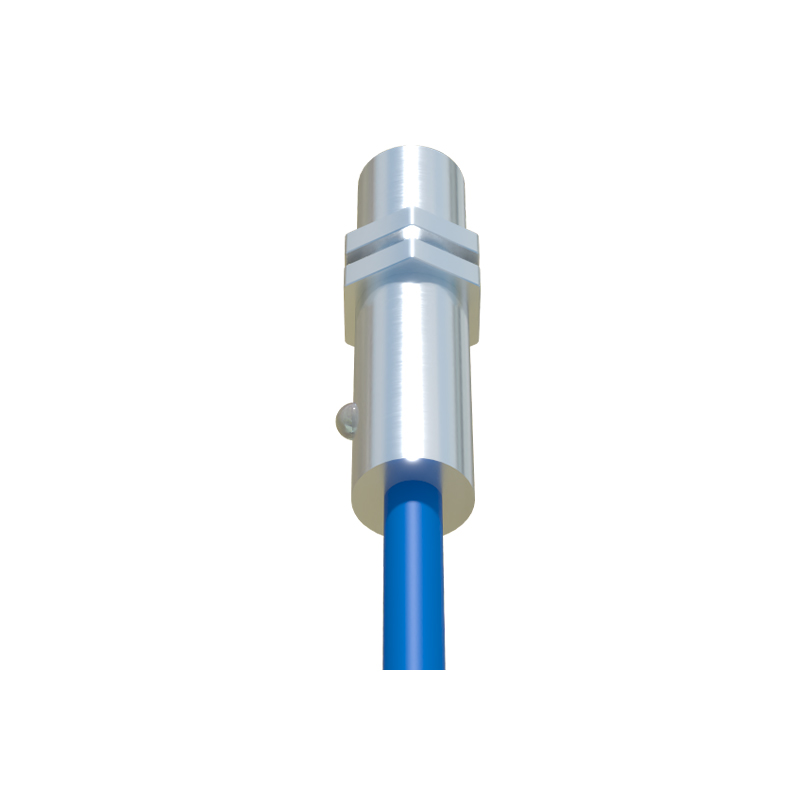
The Power Supply Regulator is a critical internal component often overlooked. It ensures stable operation despite voltage fluctuations in the plant's DC or AC supply. For DC sensors, this regulator steps down and stabilizes the input voltage (commonly 10-30V DC) to the precise levels required by the oscillator, detector, and output circuits. In AC-powered sensors, it also includes rectification circuitry to convert AC to DC for internal use. A stable power supply is essential for consistent sensing distance and reliable switching.
Physical construction is guarded by the Housing and Sensing Face. The housing, typically made of metal (like nickel-plated brass or stainless steel) or robust plastics (PBT, PPS), provides mechanical strength, environmental sealing (often to IP67 or IP69K standards), and protection against chemicals, oils, and physical impact. The sensing face, a molded part of the housing, is the interface through which the electromagnetic field projects. Its material and design are optimized to allow the field to pass through while shielding it from surrounding metal, a feature known as "flush-mountability."
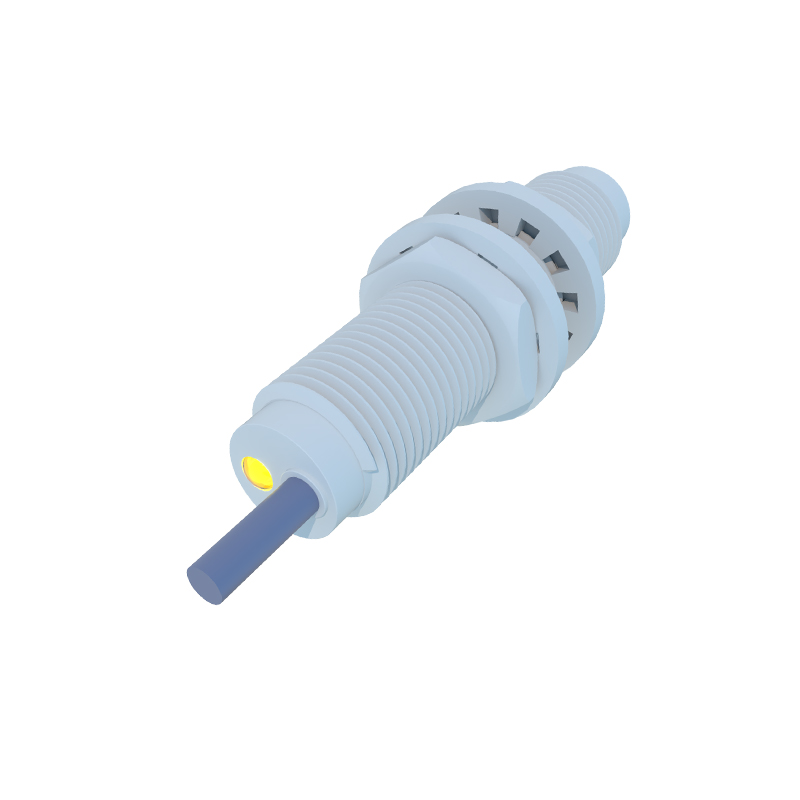
Finally, the Indicator LED is a vital diagnostic component. It provides visual confirmation of the sensor's operational status—typically indicating power presence and output state. This simple feature is invaluable for quick installation checks, troubleshooting, and verifying machine cycle sequences without needing complex measurement tools.
In summary, the seamless interaction between the oscillator, detection circuit, output stage, power regulator, and rugged housing enables proximity sensors to perform millions of reliable detection cycles. From detecting a metal gear tooth to sensing the level of liquid in a non-metallic tank, the functionality is defined by how these components are engineered and integrated. This intrinsic reliability makes them indispensable in applications demanding precision, speed, and durability, such as robotic positioning, conveyor line counting, and safety interlocking systems. A deep comprehension of these constituent parts empowers engineers to push the boundaries of automation efficiency and innovation.