In the world of industrial automation, process control, and smart devices, proximity sensors are indispensable components. They detect the presence or absence of an object without physical contact, enabling countless applications from assembly lines to smartphones. With numerous brands vying for attention, selecting the right one can be a daunting task. This guide delves into the key factors to consider and highlights some of the most reputable brands in the proximity sensor market.
The choice of a proximity sensor brand hinges on several critical parameters beyond just the price tag. First, consider the sensing technology. Inductive sensors detect metallic objects, capacitive sensors handle both metallic and non-metallic materials, and photoelectric sensors use light beams. The application environment dictates the technology. For instance, a dusty factory floor might favor a robust inductive sensor, while a packaging line handling plastic bottles may require a capacitive type.
Next, performance specifications are paramount. Sensing range, response time, repeat accuracy, and switching frequency must align with your operational needs. A high-speed bottling plant demands sensors with millisecond response times, while a slower conveyor system might prioritize durability over speed.
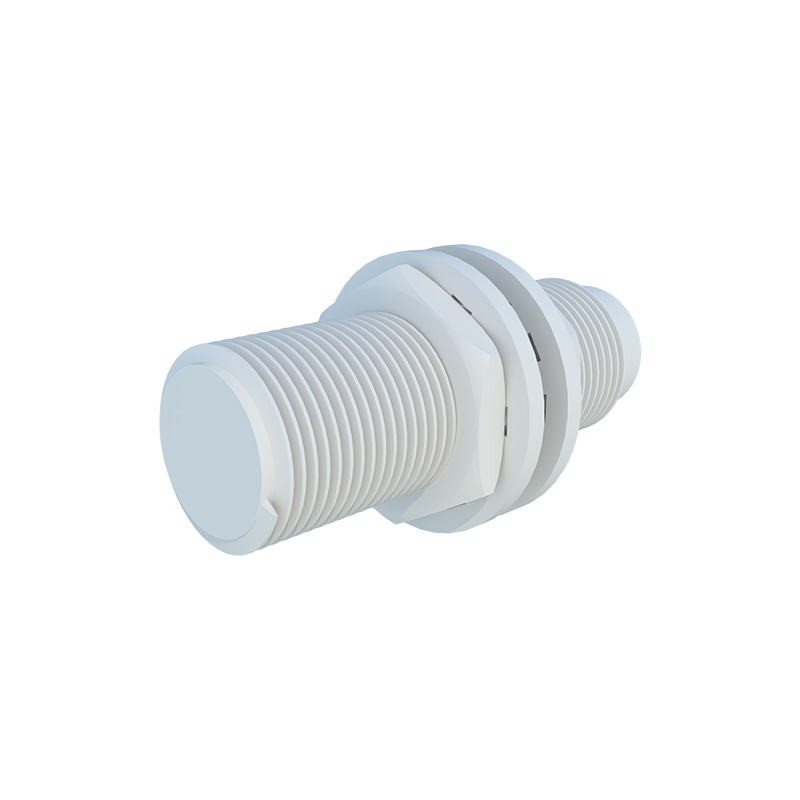
Environmental robustness is non-negotiable for industrial settings. Look for ingress protection (IP) ratings like IP67 or IP68, which guarantee resistance to dust and water immersion. The sensor's housing material, typically nickel-plated brass or stainless steel, must withstand chemicals, mechanical shocks, and temperature extremes prevalent in your facility.
Finally, consider electrical characteristics—operating voltage (e.g., 10-30V DC), output type (PNP/NPN, NO/NC), and connection method (pre-wired or connector-based). Compatibility with your existing control systems (PLCs, etc.) is essential to avoid integration headaches.

Now, let's explore some of the leading brands that have earned trust through consistent quality and innovation.
Sick AG is a German powerhouse renowned for precision and reliability. Their sensors are engineered for demanding environments, offering exceptional accuracy and longevity. Sick provides a vast portfolio, including innovative background suppression photoelectric sensors and ultra-compact inductive models. While often positioned at a premium price point, their products are synonymous with reduced downtime and high performance in logistics, automotive, and material handling.
Omron Corporation, a Japanese multinational, is a titan in factory automation. Omron proximity sensors are celebrated for their exceptional durability, advanced diagnostics, and user-friendly features. Their E2E series inductive sensors, for example, are industry benchmarks. Omron excels in providing comprehensive solutions, with sensors that seamlessly integrate into their broader ecosystem of controllers and safety devices, making them a top choice for complex automated systems.
Pepperl+Fuchs, another German specialist, focuses intensely on sensor technology. They are particularly strong in intrinsic safety and hazardous area applications (ATEX, IECEx). Their sensors are designed for extreme conditions found in chemical, pharmaceutical, and oil & gas industries. They offer great technical depth, with highly customizable options for sensing range and housing styles, catering to very specific application challenges.
Balluff, a German family-owned company, is known for high-quality, innovative sensor solutions. They offer an extensive range of standard and specialized sensors, including RFID systems and IO-Link enabled smart sensors that provide valuable diagnostic data. Balluff emphasizes flexibility and connectivity, helping pave the way for Industry 4.0 and smart factory concepts with their intelligent sensor networks.
Rockwell Automation (Allen-Bradley) is a dominant force, especially in North America. Their proximity sensors, under the Allen-Bradley brand, are optimized for seamless integration with Rockwell's programmable logic controllers (PLCs) and software suites like Studio 5000. This deep ecosystem integration simplifies design, commissioning, and maintenance, offering a compelling single-vendor solution for large-scale industrial automation projects.
IFM Electronic, a German manufacturer, is highly regarded for its robust and reliable sensors, often offering excellent value. Their product line is vast and user-centric, with clear visual diagnostic indicators (like LED status lights) on many models. IFM has made significant strides with IO-Link technology, making advanced sensor data accessible for predictive maintenance strategies.
Beyond these global leaders, brands like Turck, Banner Engineering, and Keyence also command significant respect in niche or high-precision applications. Keyence, for instance, is famous for its ultra-high-precision and specialized sensors, though often at a higher cost.
There is no universal "best" brand. The optimal choice is a function of your specific application, performance requirements, environmental conditions, and budget. A cost-sensitive application in a benign environment might be perfectly served by a reliable brand like IFM or a quality generic option. Conversely, a critical process in an explosive atmosphere necessitates the certified expertise of Pepperl+Fuchs.
Before deciding, define your technical requirements meticulously. Consult technical datasheets, not just