In the world of industrial automation and consumer electronics, proximity sensors have become indispensable components for detecting the presence or absence of objects without physical contact. Traditionally, these sensors are designed in standard forms such as rectangular, circular, or cylindrical shapes to fit common mounting configurations. However, as technology advances and applications diversify, there is a growing demand for proximity sensors with irregular shapes to meet specific spatial, functional, and aesthetic requirements. This article explores the concept, applications, benefits, and challenges of irregularly shaped proximity sensors, shedding light on their role in modern engineering.
Irregularly shaped proximity sensors refer to devices that deviate from conventional geometric designs, tailored to fit unique enclosures or operational environments. These sensors are often customized to accommodate limited spaces, complex machinery layouts, or design constraints in products like wearable devices, automotive systems, and smart home appliances. For instance, in the automotive industry, sensors may be molded into curved forms to integrate seamlessly with dashboard panels or door handles, enabling touchless controls while maintaining a sleek appearance. Similarly, in medical equipment, irregular shapes allow sensors to be embedded in ergonomic tools, enhancing usability without compromising detection accuracy.
The development of such sensors relies heavily on flexible manufacturing techniques and innovative materials. Technologies like 3D printing and flexible circuit boards enable the production of non-standard sensor housings and components, ensuring precise detection capabilities even in unconventional forms. Materials such as polymers, composites, or bendable substrates are chosen for their durability and adaptability, allowing sensors to withstand harsh conditions like vibrations, temperature fluctuations, or exposure to chemicals. Additionally, advancements in miniaturization have made it possible to shrink sensor elements while maintaining sensitivity, further facilitating irregular designs.
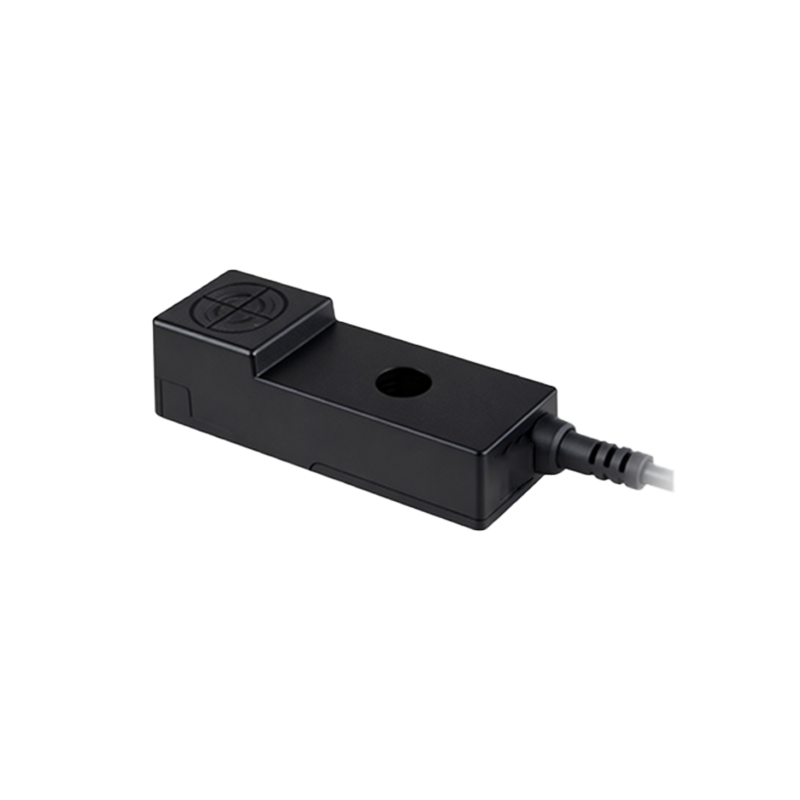
Applications of irregularly shaped proximity sensors span various sectors. In consumer electronics, they are used in smartphones with edge-to-edge displays, where sensors are shaped to fit narrow bezels for gesture recognition or screen activation. In industrial settings, custom-shaped sensors monitor machinery parts in tight spaces, preventing collisions or optimizing assembly lines. Robotics also benefits from these sensors, as they can be contoured to robotic limbs or grippers for object detection during delicate operations. Moreover, the rise of IoT devices has spurred demand for sensors that blend into everyday objects, from furniture with hidden motion detection to interactive retail displays.
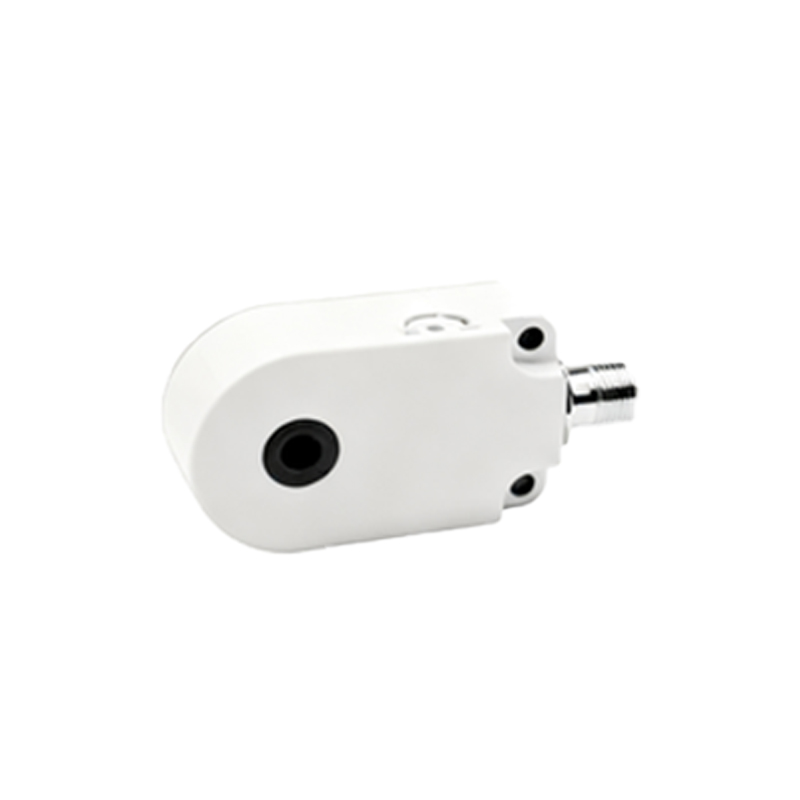
Despite their advantages, designing irregularly shaped proximity sensors presents challenges. Engineers must balance form and function, ensuring that non-standard shapes do not interfere with electromagnetic fields or detection ranges. Calibration can be more complex, as irregular housings may affect signal consistency, requiring sophisticated algorithms for reliable performance. Cost is another consideration, as customization often involves higher production expenses compared to mass-produced standard sensors. However, with the trend toward personalized and compact devices, the industry is investing in R&D to overcome these hurdles, making irregular sensors more accessible.
In conclusion, irregularly shaped proximity sensors represent a niche yet rapidly evolving segment in sensor technology. By offering tailored solutions for space-constrained and design-sensitive applications, they enhance functionality and user experience across multiple fields. As innovation continues, we can expect these sensors to become more prevalent, driving efficiency and creativity in engineering projects worldwide. For professionals and enthusiasts, understanding this trend is key to leveraging its potential in future developments.