Proximity sensors have become indispensable components in modern industrial automation, consumer electronics, and automotive systems. These devices detect the presence or absence of nearby objects without physical contact, offering reliability, longevity, and precision that mechanical switches cannot match. Understanding their diverse applications reveals why they are fundamental to today's technological landscape.
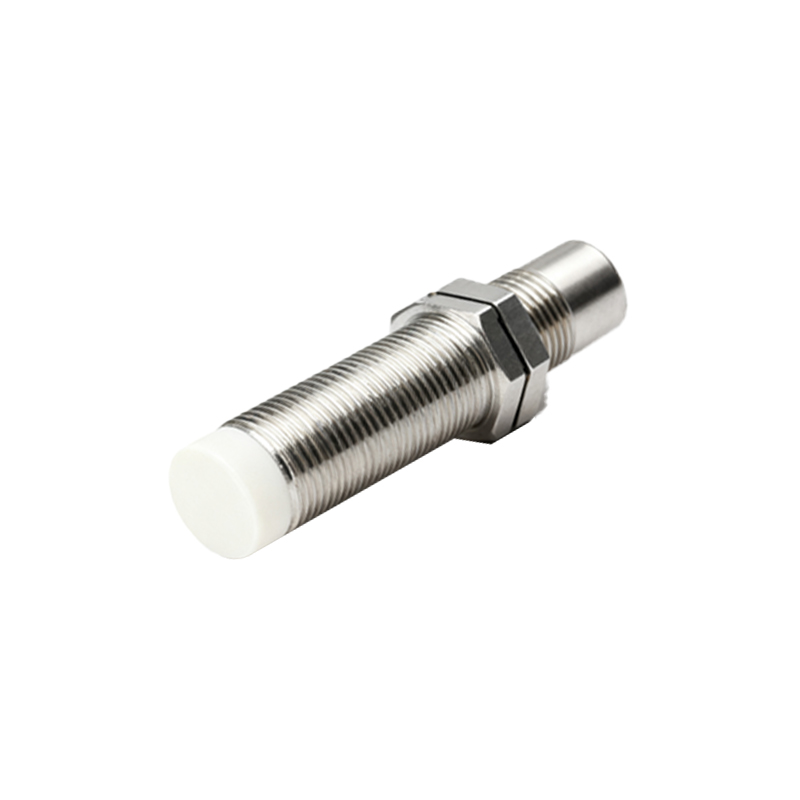
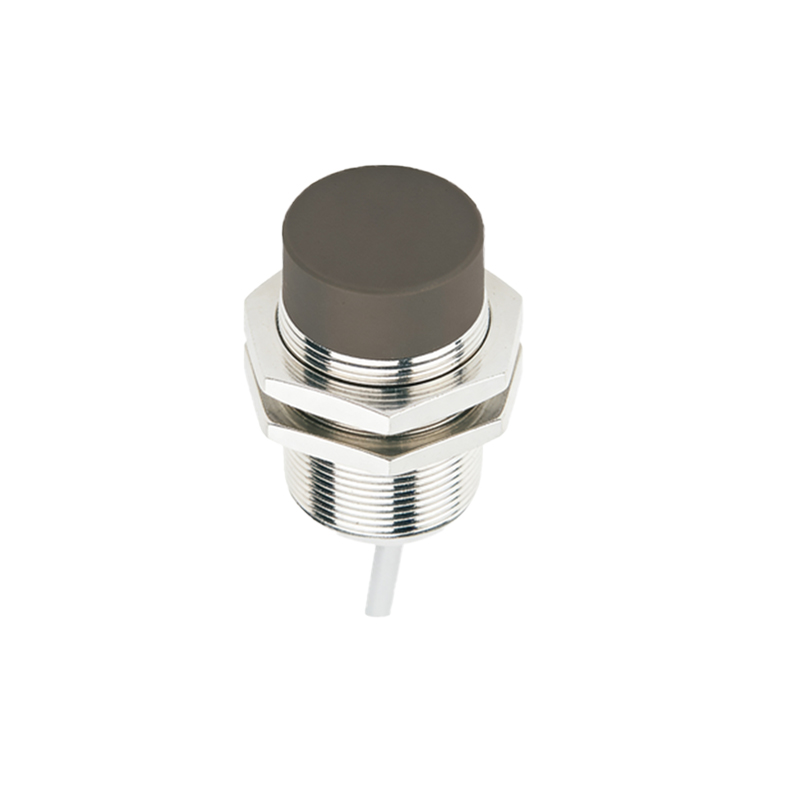
The core principle behind proximity sensing involves emitting an electromagnetic field or beam and detecting changes in the field or the return signal. The most common types are inductive, capacitive, and photoelectric sensors. Inductive sensors detect metallic objects using a magnetic field. They are robust, immune to environmental factors like dust or oil, and are staples in manufacturing. For instance, on assembly lines, they count metal parts, confirm the position of machine components, or act as safety interlocks to prevent machinery from operating when a guard is open.
Capacitive sensors, on the other hand, can detect both metallic and non-metallic materials—liquids, plastics, wood, or even granular substances. They work by sensing changes in capacitance. This makes them perfect for level detection in tanks containing liquids or powders, touch-sensitive interfaces on appliances, or detecting filled versus empty bottles on a packaging line.
Photoelectric sensors use light beams, typically infrared, to detect objects. They offer the longest sensing ranges and can detect virtually any material that interrupts the light path. You'll find them in complex logistics systems, sorting parcels by size, in automated doors for presence detection, or as safety curtains around dangerous robotic cells.
Beyond heavy industry, proximity sensors are ubiquitous in consumer devices. The smartphone in your pocket uses multiple types. An inductive or capacitive sensor deactivates the touchscreen during a call to prevent accidental cheek-presses. An ambient light sensor adjusts screen brightness. More advanced models use time-of-flight (ToF) sensors for camera focus enhancement and augmented reality features. Laptop computers use hall-effect sensors (a magnetic type) to detect when the lid is closed, triggering sleep mode.
The automotive sector relies heavily on them for safety and convenience. Ultrasonic sensors in bumpers provide parking assistance, emitting sound waves to gauge distance to obstacles. Inductive sensors in anti-lock braking systems (ABS) monitor wheel speed. Advanced driver-assistance systems (ADAS) use radar and LiDAR, which are sophisticated long-range proximity sensing technologies, for adaptive cruise control and collision avoidance.
When selecting a proximity sensor for an application, several factors are critical. Sensing range, or the maximum distance at which the sensor can reliably detect a standard target, is paramount. The target material dictates the sensor type: inductive for metals, capacitive for diverse materials, photoelectric for long-range or non-contact needs. Environmental conditions are equally important; an IP-rated housing is necessary for washdown areas, and certain sensors perform better in the presence of vibration, temperature extremes, or electromagnetic interference.
Installation and alignment are often overlooked but vital for performance. Sensors must be mounted securely to prevent drift in sensing distance. For photoelectric sensors, keeping the lens clean is essential. Electrical characteristics, such as the output type (PNP/NPN analog/digital) and supply voltage, must match the control system's requirements.
Maintenance is generally minimal due to their non-contact nature, but periodic checks are recommended to ensure sensing surfaces are clean and free from physical damage. Diagnostics, often provided via an LED indicator on the sensor itself, help troubleshoot issues like wiring faults or insufficient target proximity.
In summary, proximity sensors are the silent enablers of automation and smart functionality. From ensuring a robotic arm picks up a component correctly to making a smartphone screen react intuitively, their role is critical. Their selection and implementation require careful consideration of the operational environment, target characteristics, and desired outcome. As technology evolves, these sensors continue to become smaller, smarter, and more integrated, paving the way for even more innovative applications in the Internet of Things (IoT), smart cities, and advanced robotics. Their fundamental advantage remains unchanged: providing reliable, contactless detection that improves efficiency, safety, and user experience across countless domains.