In the dynamic landscape of modern manufacturing, precision, efficiency, and safety are non-negotiable pillars of success. Among the myriad of technologies enabling these standards, mold proximity sensors stand out as critical, yet often understated, components. These sophisticated devices are integral to automated production lines, particularly in injection molding, stamping, and die-casting processes, where they perform the essential task of non-contact detection.
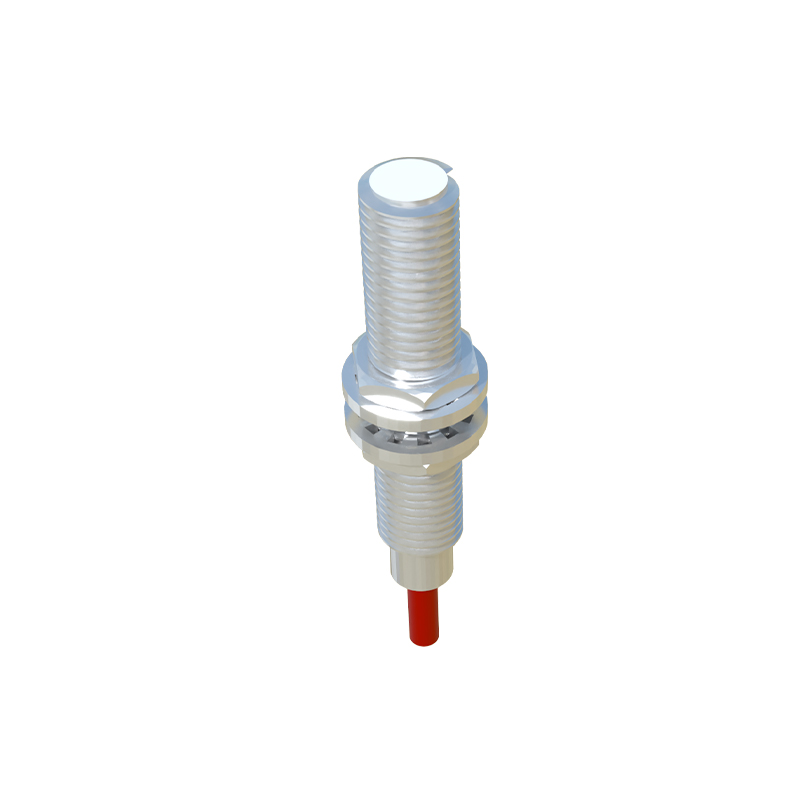
A mold proximity sensor is a type of electronic sensor designed to detect the presence or absence of an object—specifically, the mold halves or tooling—without any physical contact. Operating on principles such as electromagnetic, capacitive, or more commonly, inductive sensing, these devices generate an electromagnetic field. When a metallic target, like a mold plate, enters this field, it causes a change in the sensor's oscillation amplitude. This change is detected and converted into an electrical signal that triggers a predefined action within the machine's control system. The primary function is to confirm the precise positioning of the mold before a cycle begins or ends, ensuring that the mold is fully closed, properly aligned, or safely open for part ejection or maintenance.
The implementation of these sensors brings transformative benefits to the factory floor. First and foremost, they are guardians of tooling integrity. A misaligned or partially closed mold can lead to catastrophic collisions, resulting in expensive damage to the mold itself and the machinery. By providing a reliable verification signal, proximity sensors prevent such costly crashes, protecting capital investments that can run into hundreds of thousands of dollars. Furthermore, they are pivotal for ensuring product quality. Consistent mold closure directly translates to consistent part dimensions and structural integrity. Any deviation detected by the sensor can halt the process, preventing the production of a batch of defective parts and saving significant material waste.
Beyond precision, these sensors are fundamental to operational safety. In environments with automated robotic arms for part removal or where technicians perform maintenance, confirming the mold is in a safe, stationary position is paramount. Proximity sensors provide this critical confirmation, interlocking with machine controls to ensure dangerous movements cannot initiate unless safe conditions are verified, thereby protecting personnel from potential harm.
The evolution of mold proximity sensors has kept pace with Industry 4.0 demands. Modern variants are more robust, capable of withstanding harsh industrial environments characterized by extreme temperatures, coolant splashes, and metallic dust. Advanced models offer enhanced sensing ranges, higher switching frequencies for faster cycle times, and improved resistance to electromagnetic interference from nearby motors and welders. Many now feature IO-Link communication capabilities, allowing for not just binary detection but also the transmission of diagnostic data. This enables predictive maintenance, where data on sensor performance can alert operators to potential failures before they cause unplanned downtime.
Selecting the right sensor for a specific application requires careful consideration. Factors include the sensing distance required, the material of the target (typically ferrous metals like steel), the physical size and mounting constraints of the mold, and the environmental conditions. Cylindrical, rectangular, or slot-style housings are available to fit various installation needs. Proper installation is equally crucial; the sensor must be correctly aligned with its target and securely mounted to resist vibration, ensuring reliable signal generation cycle after cycle.
In conclusion, mold proximity sensors are far more than simple switches. They are intelligent sentinels embedded within the manufacturing process, delivering unparalleled reliability in detection. Their role in safeguarding valuable equipment, ensuring the repeatability of high-quality production, and protecting human operators is indispensable. As manufacturing continues its march toward greater automation and interconnectedness, the humble proximity sensor will remain a foundational technology, its silent, precise operation underpinning the safety and profitability of modern industrial operations worldwide.