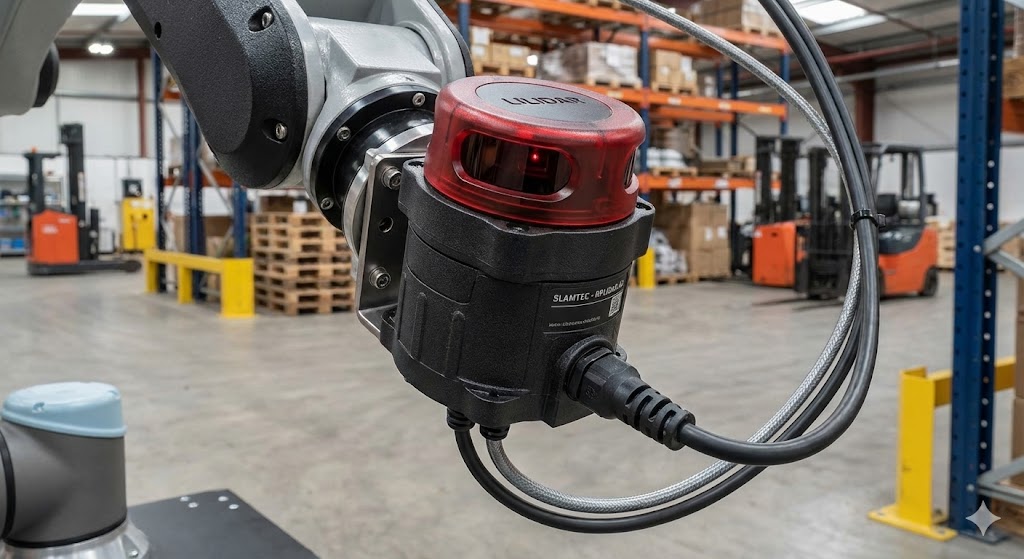
In the rapidly evolving landscape of industrial automation and precision measurement, laser thermal imaging sensors have emerged as a pivotal technology, revolutionizing how temperature monitoring and thermal analysis are conducted across various sectors. These sophisticated devices combine the principles of laser targeting with infrared thermography to deliver non-contact, high-accuracy temperature readings, even in challenging environments where traditional sensors may falter.
At their core, laser thermal imaging sensors operate by emitting a focused laser beam to pinpoint a specific area of interest on a target surface. Simultaneously, an integrated infrared detector captures the thermal radiation emitted from that precise spot. This dual functionality allows for exceptional spatial resolution, enabling engineers to measure temperature gradients with micron-level precision. Unlike conventional thermal cameras that provide broad area scans, these sensors excel in applications requiring exact spot measurements, such as monitoring microelectronic components, detecting hotspots in electrical systems, or assessing material properties during manufacturing processes.
The technological advancements in this field have been substantial. Modern laser thermal imaging sensors now incorporate features like real-time data processing, wireless connectivity, and advanced algorithms for emissivity correction. Emissivity—the efficiency with which a surface emits thermal radiation—has long been a challenge in infrared thermometry. However, contemporary sensors often include multi-spectral analysis capabilities, allowing for more accurate temperature readings on surfaces with varying emissivity values, such as polished metals or composite materials. Additionally, enhancements in detector sensitivity, often utilizing cooled or uncooled microbolometer arrays, have expanded the operational temperature range from cryogenic levels up to several thousand degrees Celsius, catering to diverse industrial needs from semiconductor fabrication to aerospace testing.
Industrial applications of laser thermal imaging sensors are vast and growing. In the energy sector, they are indispensable for preventive maintenance in power plants, where they can identify overheating in transformers, turbines, or transmission lines before failures occur, thus preventing costly downtime and enhancing safety. In electronics manufacturing, these sensors ensure quality control by verifying thermal performance of circuit boards and integrated circuits, detecting defects like poor solder joints or overloaded components that could lead to premature device failure. The automotive industry leverages them for engine diagnostics, brake system analysis, and battery thermal management in electric vehicles, where precise temperature monitoring is critical for efficiency and longevity.

Moreover, the integration of laser thermal imaging with Industry 4.0 frameworks has unlocked new potentials. By connecting these sensors to IoT platforms and cloud-based analytics systems, industries can achieve predictive maintenance models. Data collected from multiple sensors can be analyzed using machine learning algorithms to forecast equipment failures, optimize energy consumption, and improve overall operational efficiency. For instance, in steel production, continuous thermal monitoring of furnaces and rolling mills helps in maintaining consistent product quality while reducing energy waste.
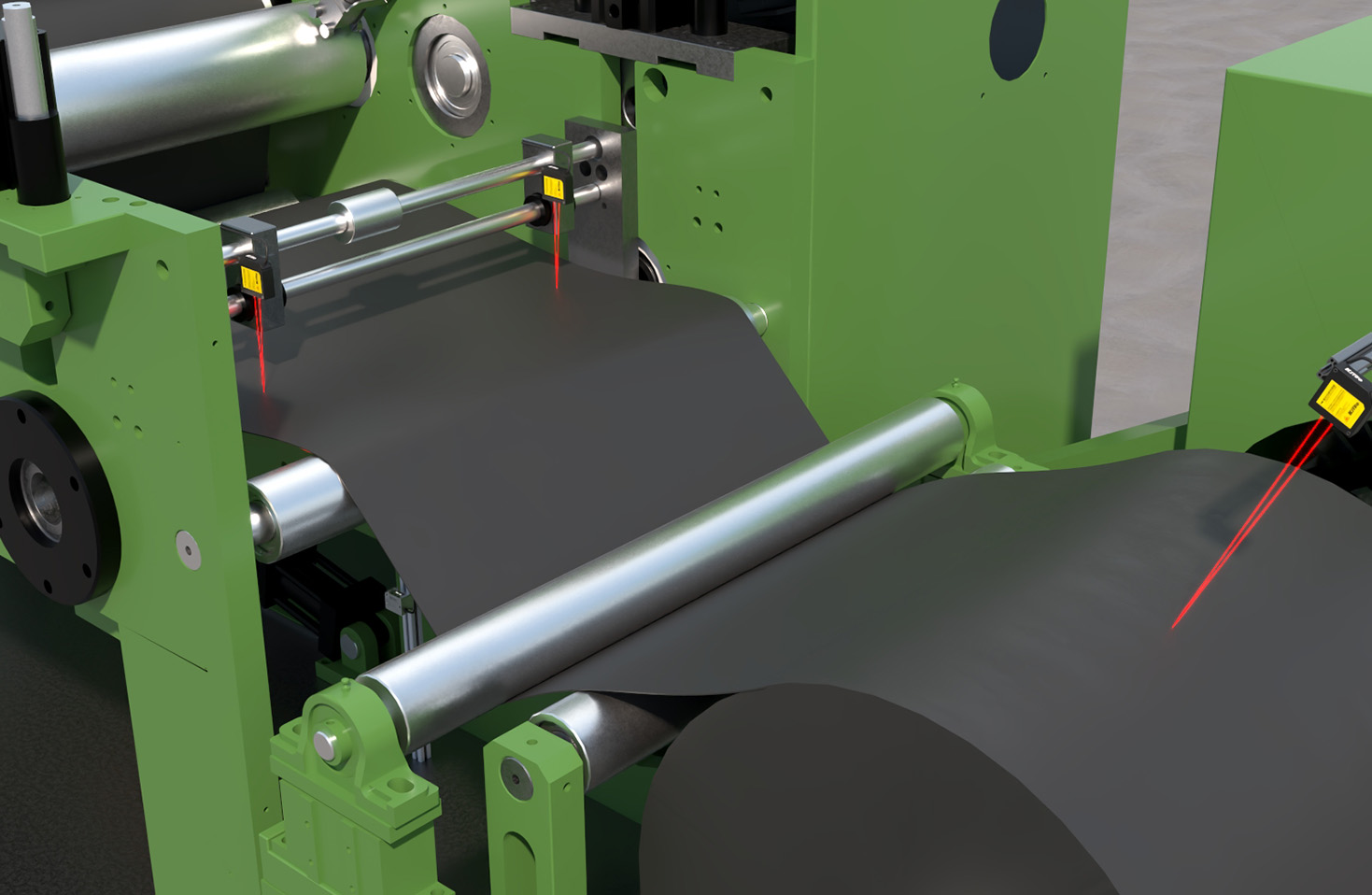
Despite their advantages, challenges remain. Factors such as environmental interference (e.g., dust, smoke, or steam), reflective surfaces, and long-distance measurements can affect accuracy. Ongoing research focuses on developing adaptive optics, polarization techniques, and hybrid systems that combine laser thermal imaging with other sensing modalities like LiDAR or visible-light cameras to overcome these limitations. Furthermore, efforts are underway to miniaturize these sensors for portable or drone-based inspections, expanding their utility in fields like building diagnostics, agriculture, and renewable energy site monitoring.
In conclusion, laser thermal imaging sensors represent a convergence of optical and thermal technologies, offering unparalleled precision in non-contact temperature measurement. As industries continue to prioritize automation, safety, and efficiency, the adoption of these sensors is set to accelerate. Future developments will likely emphasize smarter, more integrated systems capable of autonomous decision-making, further solidifying their role as essential tools in the modern engineer’s toolkit. For professionals in electrical, manufacturing, and R&D sectors, staying abreast of these innovations is key to leveraging their full potential for enhanced performance and competitive advantage.