In the intricate and high-stakes world of railway operations, safety and efficiency are paramount. Among the myriad technologies that underpin modern rail systems, train proximity sensors stand as a critical, yet often overlooked, component. These devices form the frontline of detection, providing essential data that prevents collisions, optimizes traffic flow, and safeguards both infrastructure and human lives. This article delves into the functionality, types, and significant impact of these sensors on contemporary railway networks.
At its core, a train proximity sensor is a device designed to detect the presence, absence, or position of a train within a specific range without any physical contact. It acts as the "eyes" of the signaling and control systems, triggering automated responses based on real-time information. The fundamental principle involves emitting a signal—whether electromagnetic, acoustic, or optical—and analyzing the reflected signal to determine an object's proximity. This continuous monitoring is vital for maintaining safe distances between trains, especially in complex junctions, within tunnels, or at station platforms.
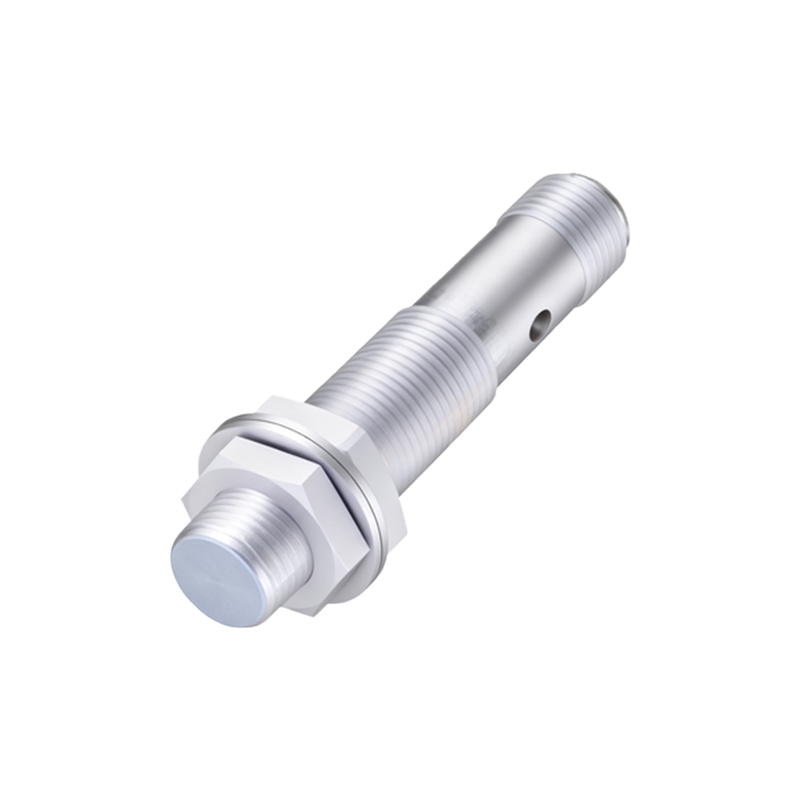
Several types of proximity sensors are employed across rail networks, each with distinct advantages tailored to specific operational needs. Inductive loop sensors are among the most traditional and widespread. A wire loop is installed between the rails, creating an electromagnetic field. When a train's metal wheels and axles pass over the loop, they disrupt this field, signaling the train's presence. These systems are highly reliable for axle counting and occupancy detection at fixed points.
For more precise detection and speed measurement, Doppler radar sensors are increasingly utilized. Mounted trackside, they emit microwave signals towards passing trains. The frequency shift (Doppler effect) in the reflected signal is analyzed to calculate the train's speed and direction with high accuracy. This technology is crucial for implementing advanced speed control and warning systems.

Optical and laser sensors offer another layer of capability, particularly for detailed profiling and obstacle detection. By projecting laser beams or structured light patterns, these sensors can create a detailed profile of a train's shape or detect foreign objects on the track that might pose a derailment risk. Their high resolution makes them suitable for depot automation and platform edge safety.
Furthermore, ultrasonic sensors use sound waves for close-range detection, often applied in shunting yards or for precise stopping at station platforms. The integration of these various sensor types creates a robust, multi-layered detection network, enhancing overall system resilience.
The implementation of advanced train proximity sensors directly translates to enhanced safety protocols. They are the foundational input for Automatic Train Protection (ATP) and Positive Train Control (PTC) systems. These systems can automatically enforce speed restrictions, apply brakes if a signal is passed dangerously, or halt a train to prevent a potential collision. By removing the sole reliance on human observation, these automated responses significantly reduce the risk of accidents caused by human error or fatigue.
Beyond safety, the operational efficiency gains are substantial. Accurate, real-time train positioning data allows for dynamic scheduling and tighter headways—the distance between successive trains. This enables more trains to operate safely on the same track, increasing network capacity without costly infrastructure expansion. In metro and urban transit systems, this efficiency is key to meeting high passenger demand with frequent, reliable service.
Maintenance and asset management also benefit. Proximity sensors can monitor the condition of passing trains, detecting issues like hot axle bearings or irregular wheel profiles. Early identification of such faults allows for predictive maintenance, preventing catastrophic failures and reducing downtime.
The future of train proximity sensing is intertwined with broader digitalization trends in rail, often termed "Rail 4.0." The next generation involves smart, networked sensors integrated with the Internet of Things (IoT). These sensors will not only detect presence but will communicate with each other and central control systems, providing richer data streams for artificial intelligence and machine learning algorithms. This evolution promises even greater predictive capabilities, adaptive traffic management, and a further leap toward fully autonomous train operations.
In conclusion, train proximity sensors are indispensable technological sentinels in the railway ecosystem. From humble inductive loops to sophisticated laser scanners, their continuous evolution drives the twin goals of absolute safety and peak operational performance. As rail networks worldwide strive for greater capacity, reliability, and automation, the silent, unwavering vigilance of these sensors will remain a cornerstone of progress, ensuring that the wheels of industry and public transport continue to turn safely and smoothly.