Proximity sensors are a cornerstone of modern automation and electronics, silently enabling countless functionalities in devices and industrial systems. Unlike traditional sensors that require physical contact, proximity sensors detect the presence or absence of an object within a specified range without any direct touch. This non-contact operation makes them exceptionally reliable, durable, and suitable for harsh environments where contamination, wear, or mechanical impact are concerns.
The fundamental working principle revolves around the emission of a field or beam and the analysis of changes in its return signal. When a target object enters this field, it causes a detectable alteration—such as a change in electromagnetic flux, capacitance, or the return time of a sound wave. This change is then converted by the sensor's electronics into a clear electrical output signal, typically a simple ON/OFF switch. This binary output is ideal for control logic in programmable logic controllers (PLCs) and other systems, triggering actions like counting, positioning, inspection, or automatic door control.
Several primary types of proximity sensors dominate the market, each with distinct advantages and ideal use cases. Inductive proximity sensors are among the most common. They generate an electromagnetic oscillating field and detect the eddy current losses caused when a metallic object enters it. Consequently, they are used almost exclusively for detecting metals, such as ferrous and non-ferrous targets, and are staples in machine automation for position sensing and metal detection on assembly lines.
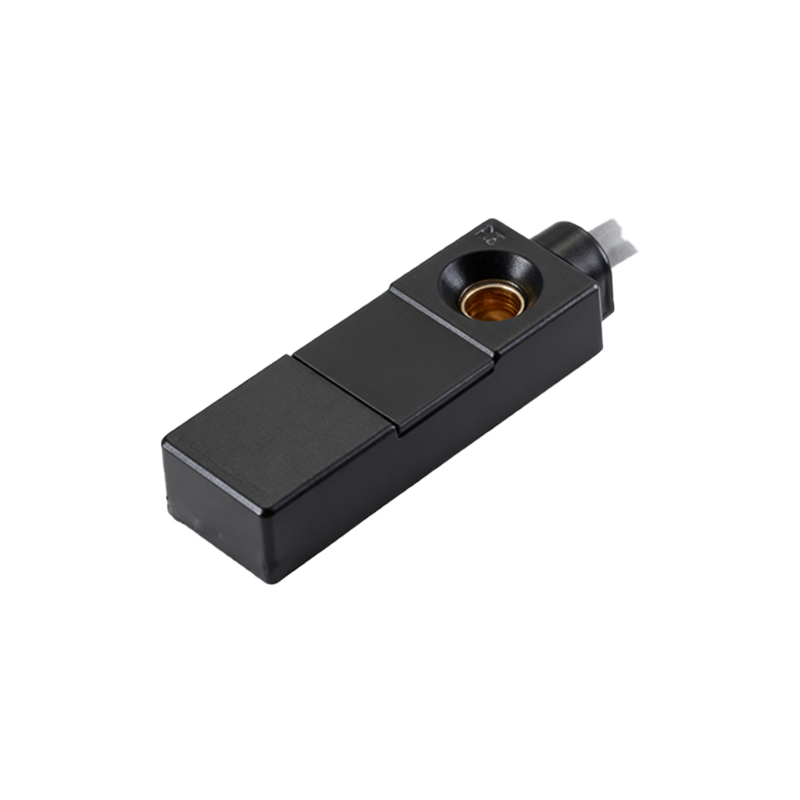
Capacitive proximity sensors, on the other hand, can detect both metallic and non-metallic materials, including liquids, powders, plastics, and wood. They function by generating an electrostatic field and sensing the change in capacitance when any object with a different dielectric constant enters the field. This makes them perfect for applications like liquid level detection in tanks, material handling, and presence detection of non-metallic objects.
Ultrasonic proximity sensors operate on a sonar principle. They emit high-frequency sound waves and measure the time it takes for the echo to return. The presence of an object alters this return time. These sensors are excellent for longer-range detection, can work in dirty or dusty environments where optical sensors might fail, and are commonly used in vehicle parking assist systems, bulk material level monitoring, and robotic obstacle avoidance.
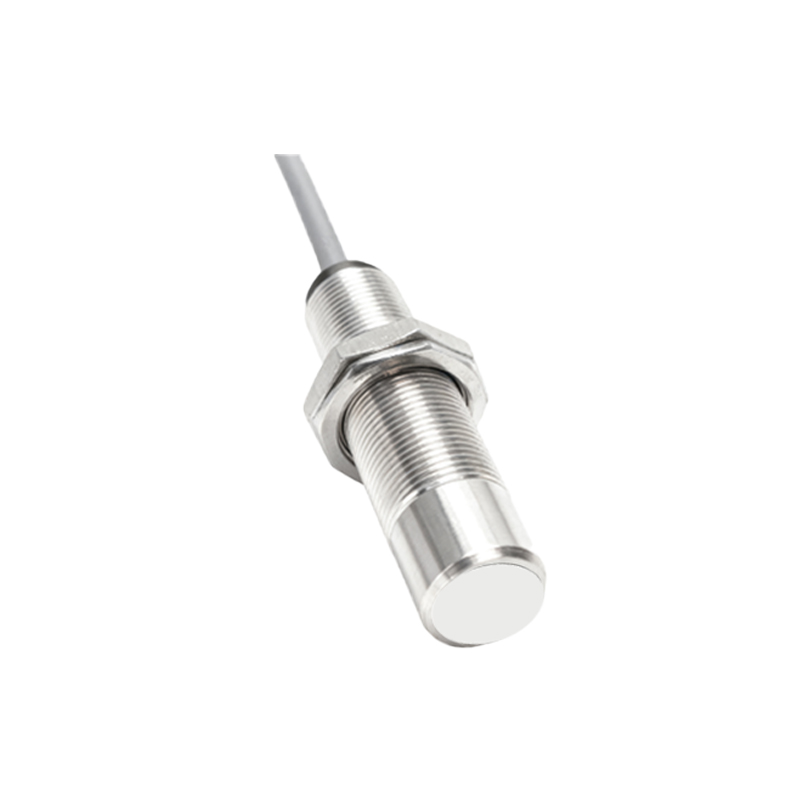
Photoelectric sensors, while sometimes categorized separately, function as proximity devices in their diffuse reflective mode. They emit a light beam (often infrared LED or laser) and detect the light reflected from an object. Their sensing range can be quite long, and they are highly effective for detecting small objects, transparent materials, or for color differentiation, finding extensive use in packaging, material handling, and pharmaceutical automation.
The applications of proximity sensors are vast and integral to Industry 4.0 and smart devices. In industrial automation, they provide precise object positioning for robotic arms, control high-speed counting on production lines, and ensure safety by monitoring machine guard positions. In the automotive sector, they are key to parking assistance systems, collision avoidance, and touchless trunk opening. Consumer electronics heavily rely on miniature proximity sensors; for instance, in smartphones to turn off the display during a call to save power and prevent accidental touches, and in tablets and laptops to detect the presence of a user. Furthermore, they are essential in security systems for door and window monitoring, in agriculture for equipment control, and in building automation for touchless faucets and soap dispensers.
Selecting the right proximity sensor involves careful consideration of several factors: the material of the target object (metal, plastic, liquid), the required sensing distance, the operating environment (presence of dust, moisture, or electrical noise), the output type needed (NPN/PNP, analog, or digital), and the physical size and mounting constraints. Understanding these parameters ensures optimal performance and system reliability.
In summary, proximity sensors are versatile, robust, and critical components that bridge the physical and digital worlds. Their ability to provide reliable, non-contact detection drives efficiency, enables advanced features, and enhances safety across a breathtakingly wide spectrum of industries and everyday technologies. As technology evolves, these sensors continue to become smaller, smarter, and more integrated, solidifying their role as fundamental enablers of automated and interactive systems.