In the demanding and often hazardous environment of modern mining, the integration of advanced automation and safety systems is not merely an enhancement but a fundamental necessity. Among the myriad of technological components that ensure operational efficiency and personnel safety, the proximity sensor stands out as a silent, yet indispensable, guardian. These devices, designed to detect the presence or absence of nearby objects without any physical contact, have become the cornerstone of reliable and secure mining activities. Their role extends far beyond simple detection, forming the sensory backbone of complex control systems that manage everything from massive excavation machinery to delicate conveyor belt operations.
The core function of a proximity sensor in a mining context is to provide a non-contact, real-time signal regarding the position of equipment, vehicles, or even personnel within designated zones. Unlike mechanical limit switches that require physical impact to actuate, proximity sensors use electromagnetic fields, capacitive changes, or ultrasonic waves to sense metallic or non-metallic targets. This non-contact nature is paramount in an industry plagued by dust, moisture, vibration, and extreme temperatures. It eliminates mechanical wear and tear, drastically reducing maintenance downtime and increasing the overall lifespan of both the sensor and the machinery it monitors. For instance, inductive proximity sensors are extensively used to monitor the position of shuttle cars, the rotation of crusher heads, or the alignment of drilling rigs, ensuring these heavy-duty components operate within their safe mechanical limits.
Safety is the paramount concern in mining, and proximity sensors are critical enablers of sophisticated safety interlocks. They are strategically installed to create virtual safety perimeters around dangerous areas, such as crusher in-feed points, conveyor belt transfer stations, or active longwall faces. When a sensor detects an unauthorized intrusion—be it a worker straying too close or a piece of equipment moving into a restricted zone—it can instantly send a signal to the central control system to halt machinery, sound alarms, or activate visual warnings. This capability is vital for preventing catastrophic accidents like entanglement, crushing, or collisions. Furthermore, on personnel transport vehicles like mantrips, sensors can ensure doors are securely closed before movement is permitted, adding another layer of protection for the workforce.
From an operational efficiency and asset protection standpoint, proximity sensors are invaluable. They enable precise control over material handling processes. On conveyor systems, arrays of sensors monitor belt alignment, detect slip or blockages, and control the sequencing of multiple belts to prevent material spillage and costly jams. In ore processing plants, they ensure that valves, gates, and feeders are in the correct position, optimizing material flow and preventing cross-contamination. By providing continuous, accurate feedback, these sensors allow for the automation of repetitive and dangerous tasks, freeing human operators to focus on supervision and complex decision-making. This not only boosts throughput but also minimizes human exposure to hazardous environments.
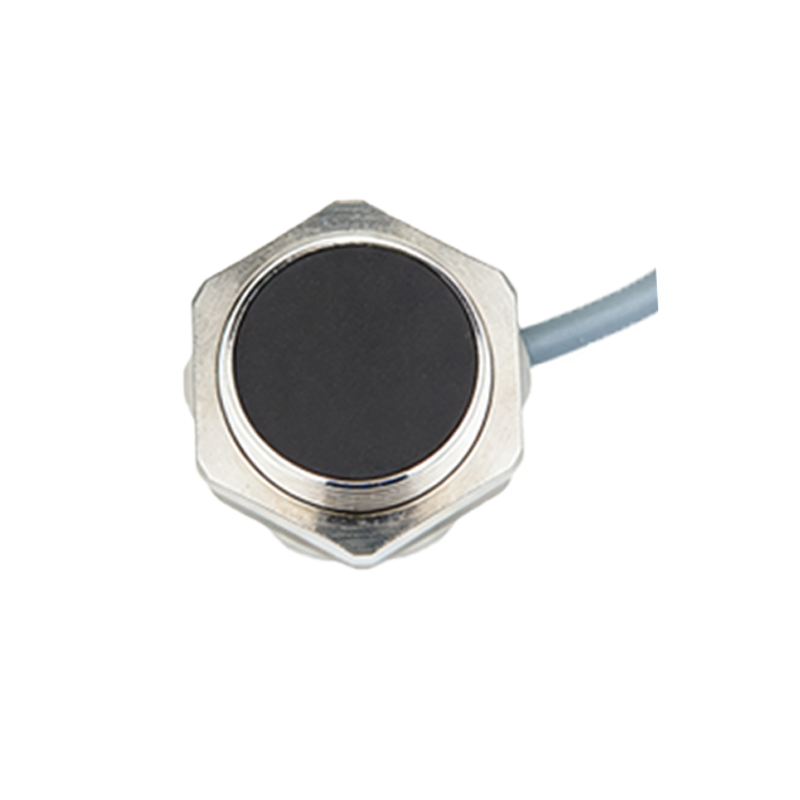
The selection and implementation of proximity sensors in mining are governed by stringent requirements. They must be engineered to withstand the harshest conditions, encapsulated in robust, often stainless steel or nickel-plated brass housings with high Ingress Protection (IP) ratings (e.g., IP67, IP69K) to resist dust and water immersion. They are also built to endure significant shock and vibration. Intrinsically safe (IS) designs are mandatory for use in potentially explosive atmospheres, such as coal mines where methane or coal dust is present. These IS-certified sensors limit the electrical and thermal energy to levels below what is required to ignite a specific hazardous atmospheric mixture, making them a non-ignition source.
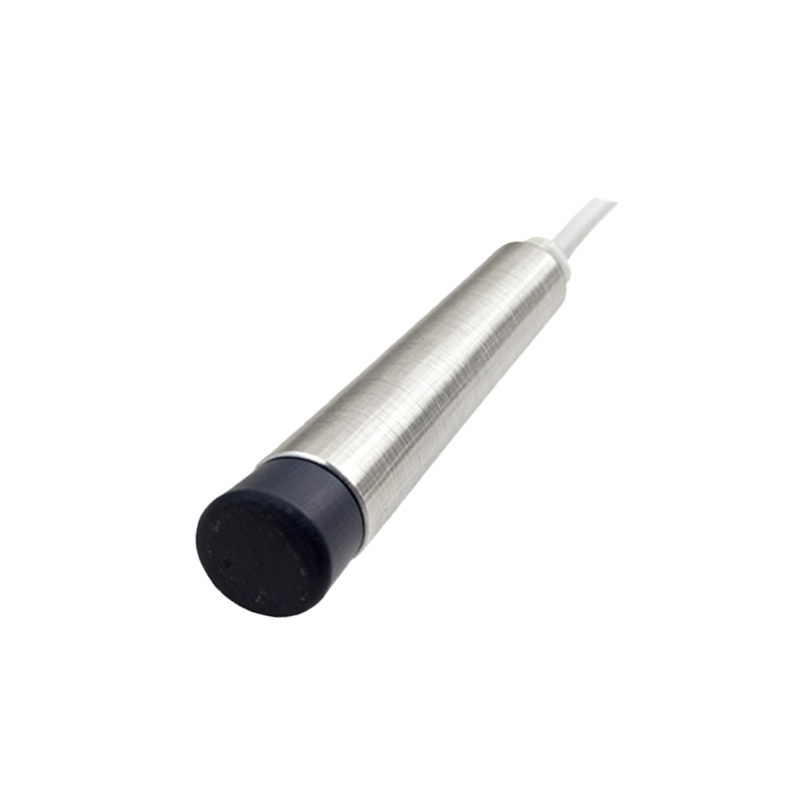
Looking forward, the role of the proximity sensor is evolving with the industry's push towards "smart mining" and the Industrial Internet of Things (IIoT). Modern sensors are increasingly equipped with self-diagnostic capabilities, able to report their health status, detect gradual performance degradation, and even predict potential failures. This predictive maintenance data, fed into centralized monitoring platforms, allows for maintenance to be scheduled proactively rather than reactively, further minimizing unplanned downtime. Wireless-enabled sensors are also emerging, simplifying installation in remote or difficult-to-wire areas of a mine, enhancing system flexibility and scalability.
In conclusion, the humble proximity sensor is a technological linchpin in contemporary mining. It is a critical component that bridges the gap between physical operations and digital control systems. By ensuring precise, reliable, and contactless detection, it safeguards human lives, protects multi-million dollar capital equipment, and drives the operational efficiency that defines a profitable and sustainable modern mine. Its continuous evolution promises to further deepen its integration, making mining safer, smarter, and more productive for years to come.