Proximity sensor switches are indispensable components in modern industrial automation, offering non-contact detection of objects with high reliability and precision. Unlike mechanical limit switches, these solid-state devices operate without physical contact, thereby eliminating wear and tear and significantly enhancing operational lifespan. The core principle involves generating an electromagnetic field or beam of radiation. When a target object enters this field, it causes a change in the signal, which is then converted by the sensor's circuitry into a binary on/off output signal, effectively functioning as a switch.
Several primary technologies dominate the market, each suited to specific applications. Inductive proximity sensors are the most common, detecting metallic objects—typically ferrous metals like steel and iron—by using a coil to generate an oscillating electromagnetic field. The presence of a metal target dampens this oscillation, triggering the switch. They are ideal for harsh environments, resistant to dust, oil, and moisture, and are widely used in machine tools, automotive assembly, and material handling for tasks like counting, positioning, and speed monitoring.
Capacitive proximity sensors, on the other hand, can detect both metallic and non-metallic materials, including liquids, plastics, wood, and glass. They function by measuring changes in capacitance between the sensor and the target. This makes them perfect for level detection in tanks (e.g., detecting liquid or powder levels through a container wall), packaging lines, and applications involving non-conductive materials.
Ultrasonic sensors use sound waves beyond human hearing. They emit ultrasonic pulses and measure the time taken for the echo to return. This technology is excellent for distance measurement and detecting objects of virtually any material, regardless of color or transparency. Common uses include palletizing, collision avoidance on AGVs (Automated Guided Vehicles), and controlling loop tension in web processes.
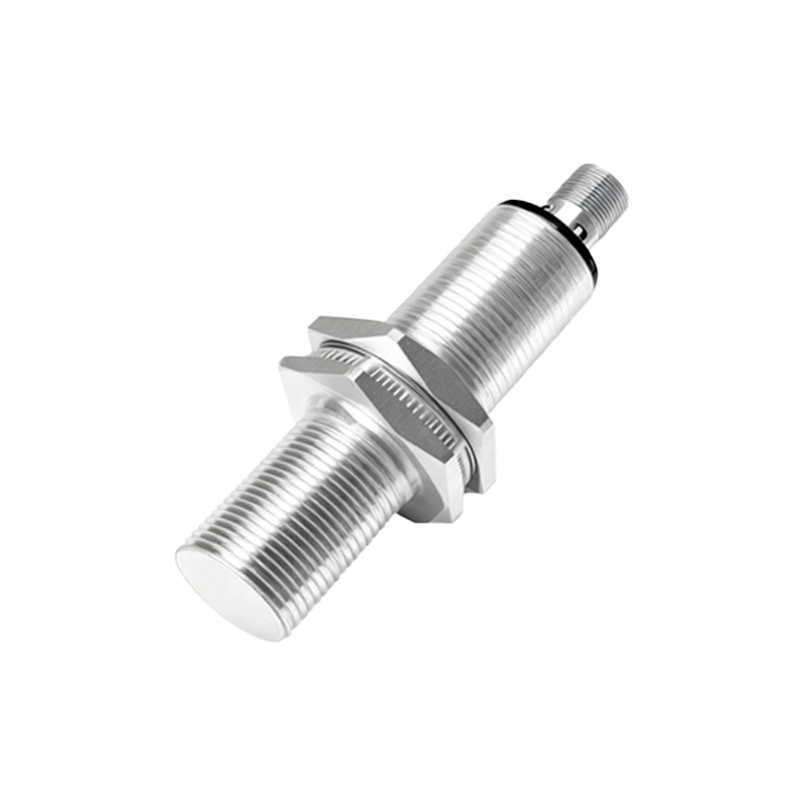
Photoelectric sensors, which use light beams (visible, infrared, or laser), are another major category. While often grouped separately, their proximity-switch variants detect the presence or absence of an object by the interruption or reflection of a light beam. They offer very long sensing ranges and are used for small part detection, bottle counting on conveyors, and in clean environments.
The selection of a proximity sensor switch hinges on several critical factors. The nature of the target material is paramount: inductive for metals, capacitive for a broader range. The required sensing distance, or nominal range, must be carefully considered, typically specified for a standard target. Environmental conditions such as temperature extremes, washdown requirements (IP ratings), and exposure to chemicals or welding spatter dictate the housing material and ingress protection level. Finally, the electrical output type (e.g., NPN sinking, PNP sourcing, NO/NC contacts) must be compatible with the PLC or control system.
Installation and commissioning require attention to detail. Proper mounting, ensuring adequate clearance from metal surfaces (to prevent flanking interference), and correct wiring are essential for reliable operation. Regular maintenance is minimal but should include periodic cleaning of the sensing face and verification of performance.
The advantages of solid-state proximity switches are compelling. Their non-contact nature ensures no mechanical wear, leading to millions of operational cycles. They provide high switching speeds, suitable for fast-moving production lines. With no moving parts, they are highly resistant to vibration and shock. Their sealed designs allow reliable performance in dirty or wet conditions where mechanical switches would fail.
Looking ahead, the integration of smart features and Industrial Internet of Things (IIoT) connectivity is a growing trend. Modern sensors can provide diagnostic data, such as switch cycle counts, temperature warnings, or signal strength indicators, enabling predictive maintenance and reducing unplanned downtime. This evolution transforms the humble proximity switch from a simple detection device into a valuable data point within a networked smart factory.
In conclusion, proximity sensor switches are fundamental building blocks of automated systems. A thorough understanding of their operating principles, types, and selection criteria enables engineers to design robust, efficient, and intelligent control systems that drive productivity and reliability across countless industries, from food and beverage to heavy machinery and beyond.